Skip to content
specialized wire cutting tool

What Are Dike Pliers

  • Pliers

When you need a tool designed specifically for cutting wire cleanly and efficiently, dike pliers become indispensable. Their angled jaws deliver a precise shearing action that standard pliers can’t match, allowing you to handle electrical or craft tasks with greater accuracy.

Understanding what sets dike pliers apart and when to choose them over other cutting tools can greatly improve your workflow and results. But what exactly makes their design so effective?

drill bit size for tap

What Size Drill Bit for 1 4 20 Tap

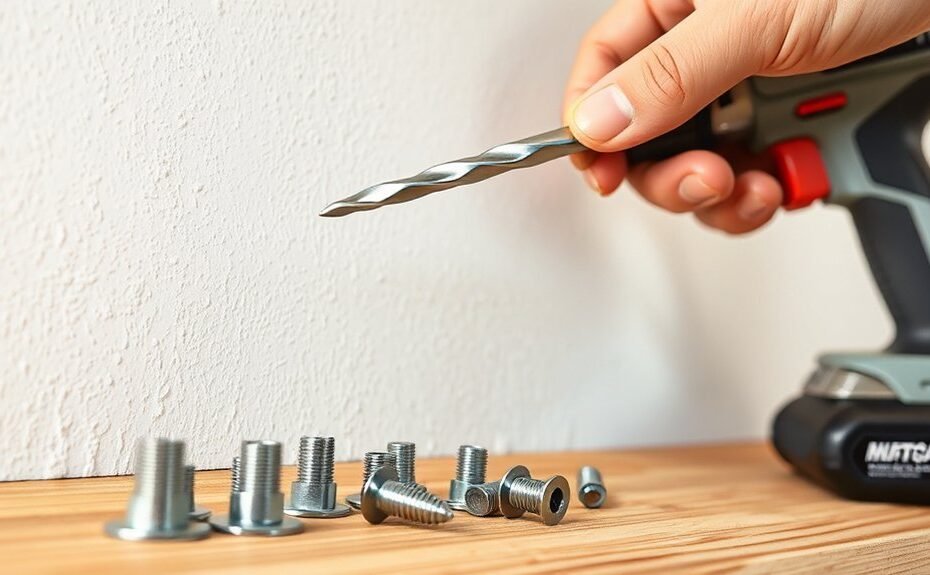
You might not realize that the drill bit size you choose for a 1/4-20 tap directly affects thread strength and tool longevity. Using the wrong diameter can lead to thread failure or a broken tap, especially in harder materials.

Understanding why a #7 drill bit, at 0.201 inches, is preferred requires more than just matching numbers. It involves grasping the relationship between hole size, thread pitch, and material type.

Let’s examine how to select and verify the correct drill bit size for your tapping needs.

jewelry making precision tools

What Are Chain Nose Pliers

  • Pliers

When you pick up chain nose pliers, you’ll notice their long, tapered jaws ending in fine points, designed for precision. These flat inner surfaces help you grip and bend wire without marring delicate materials.

Their ergonomic design lets you work comfortably in tight spaces, making them a staple for jewelry tasks. But what really sets them apart from other pliers and why should they be in your toolkit?

sharpening techniques for drill bits

How to Sharpen Drill Bits

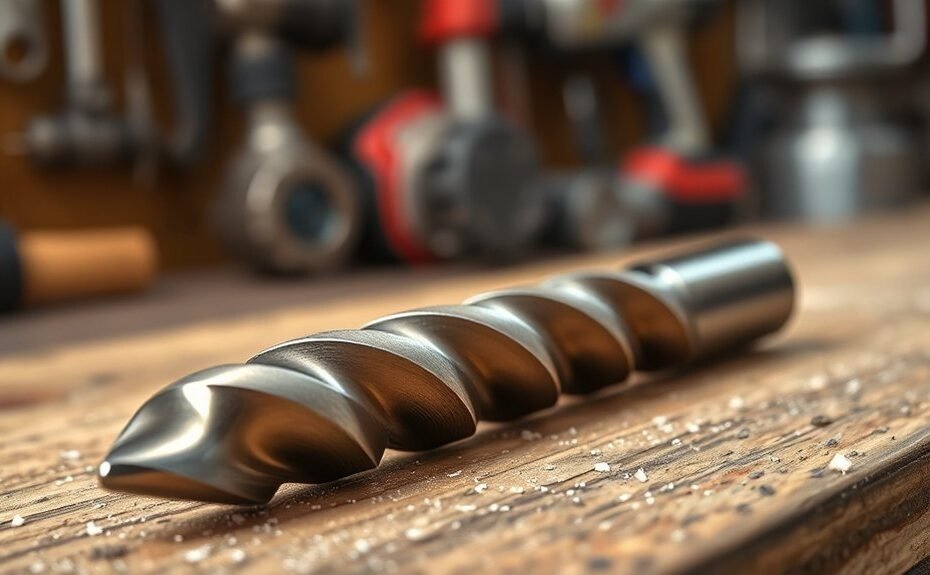
When your drill bits start producing uneven holes or require extra pressure, it’s time to sharpen them. You’ll need to maintain the correct cutting angle, typically between 118° and 135°, to guarantee efficient drilling and prevent damage.

Using tools like a bench grinder or diamond file, you can restore their edges precisely. But before you jump in, understanding the proper technique and avoiding common mistakes is vital for achieving professional results.

locating cutting pliers location

Where Are the Cutting Pliers in Granny

  • Pliers

You might have already checked under the kitchen sink and found nothing but dust and old cleaning supplies. When you’re racing against Granny’s sharp ears, knowing exactly where the cutting pliers spawn can be a game-changer.

They often hide in plain sight, like the tool drawer or the garage shelves, but sometimes you’ll need to think a step ahead. Let’s explore the best spots and clever tricks to make sure you grab those pliers before Granny notices.

choosing drill bits wisely

Which Drill Bit for Which Material

Picking the right drill bit is like choosing the perfect key to open a door smoothly. If you’re working with wood, metal, concrete, or plastic, using the wrong bit can lead to frustration, damage, or wasted time.

You’ll want to understand which bit matches each material’s demands to get clean, precise holes every time. Let’s explore how to match your drill bits to the task at hand for the best results.

alternative tools for gripping

What to Use Instead of Pliers

  • Pliers

When you don’t have pliers on hand, you might think you’re stuck, but there are plenty of tools that can handle gripping, twisting, or bending just as well. Whether you need to hold a small object firmly or twist wires, using the right alternative can save you time and frustration.

Before you reach for pliers or make a trip to the store, consider these practical substitutes that might already be in your toolbox.

stucco drill bit type

What Type of Drill Bit for Stucco

When you’re about to drill into stucco, selecting the right drill bit is critical to avoid cracking or chipping the surface. Stucco’s hard, abrasive texture demands more than a standard bit; carbide-tipped masonry bits are often the go-to choice for durability and precision.

However, factors like stucco composition and the type of anchor you’re installing can influence your selection. Understanding these nuances will help you achieve a clean, professional result.

pull tooth with pliers

Can I Pull My Own Tooth Out With Pliers

  • Pliers

You might be tempted to pull your own tooth out with pliers, especially if it’s causing pain or feels loose. However, this approach carries serious risks like infection, excessive bleeding, and damage to nearby teeth or nerves.

Before you consider handling this yourself, it’s important to understand why professional care is safer and what signs indicate a tooth truly needs removal. Let’s explore what you should know before taking any action.

drill bit size pinewood derby

What Size Drill Bit for Pinewood Derby Axles

Did you know that a drill bit just 0.01 inches off in diameter can reduce your Pinewood Derby car’s speed by several percent? Choosing the right size for your axle holes is more than a detail; it directly affects friction and wheel alignment.

Most racers settle on a 7/64-inch bit, but the ideal choice depends on precise axle measurements and wood density. Understanding these factors could be the key to shaving vital milliseconds off your time.