Did you know that over 60% of bolt removal failures stem from using the wrong drill bit? When it comes to removing a broken bolt, choosing the right drill bit is essential. The correct bit not only depends on the material but also on the size and type of bolt you are dealing with.
Using an incorrect drill bit can damage the surrounding metal or make extraction impossible. This can lead to more costly repairs or even the need to replace the entire component.
Understanding which drill bit suits your specific bolt type can save you time and frustration.
Let’s take a closer look at how to select the best drill bit for removing a broken bolt, ensuring a smoother and more efficient extraction process.
Choosing the Right Drill Bit for Broken Bolts
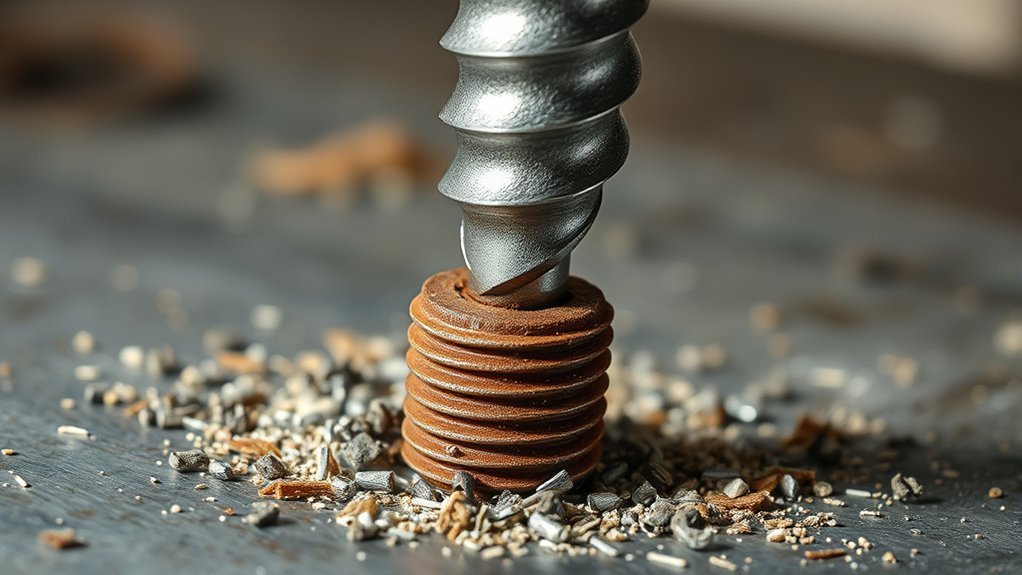
Selecting the right drill bit is essential when removing a broken bolt to guarantee efficiency and prevent further damage. You need to take into account drill bit materials carefully, as hardness and durability directly impact performance.
High-speed steel (HSS) bits work for softer metals, but cobalt or carbide bits excel on hardened bolts due to their superior wear resistance. Additionally, cobalt bits maintain sharpness under heat, which is critical during prolonged drilling.
When paired with appropriate bolt extraction tools, these bits allow precise pilot hole creation without compromising the bolt’s integrity. Avoid using oversized or dull bits, as they risk damaging the surrounding threads.
Step-by-Step Guide to Removing a Broken Bolt
Before you start, clear and secure your work area to guarantee safety and accessibility. Next, use the correct drill bit to create a precise pilot hole in the broken bolt for effective extraction.
Finally, apply the recommended extraction technique, such as using an extractor or pliers, to remove the bolt without damaging surrounding material.
Preparing The Work Area
Although removing a broken bolt can be challenging, organizing your workspace effectively will streamline the process and reduce risks. Begin by clearing and leveling your work surface to guarantee stability during drilling.
Secure the component containing the broken bolt firmly using a vise or clamps to prevent movement. Adequate illumination is essential; position a focused light source to clearly expose the bolt area.
Before starting, equip yourself with appropriate safety gear: safety goggles to protect your eyes from metal shavings, gloves to shield your hands, and hearing protection if using power tools. Keep all necessary tools within reach to avoid interruptions.
Finally, remove any flammable materials from the vicinity to minimize fire hazards. These preparatory steps create a controlled environment that enhances precision and safety throughout the extraction process.
Drilling And Extraction Techniques
When you start drilling into the broken bolt, make sure your drill bit is perfectly aligned with the bolt’s center to prevent slipping or damaging the surrounding material. Choose drill bit types suited for metal, such as cobalt or titanium-coated bits, to guarantee durability and efficient penetration.
Begin with a smaller pilot hole to maintain control, then gradually increase the bit size to match the extractor tool. During bolt extraction, apply steady, straight pressure and moderate speed to avoid overheating or bit breakage.
After drilling, insert an appropriate bolt extractor into the hole, turning counterclockwise with a wrench to grip and remove the bolt fragment. Follow these precise drilling and extraction steps methodically to maximize success and minimize damage to the workpiece.
Matching Drill Bit Size to the Broken Bolt Diameter
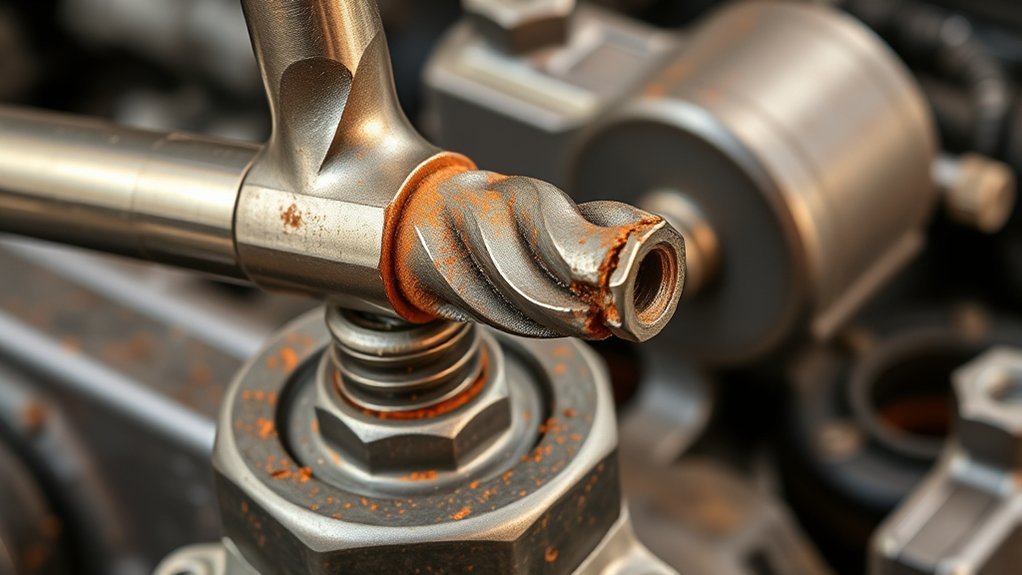
Since selecting the correct drill bit size is essential, you need to measure the broken bolt’s diameter accurately before drilling. Begin by using a caliper or micrometer to obtain the bolt diameter measurement, ensuring precision.
This measurement directly determines drill bit compatibility, as the bit must match or slightly undersize the bolt’s diameter to avoid damaging surrounding material. Using a drill bit larger than the bolt can compromise the extraction process or enlarge the hole unnecessarily.
Conversely, a bit too small will fail to penetrate effectively. Aim for a drill bit that is approximately 80-90% of the broken bolt’s diameter, allowing for efficient drilling while preserving bolt integrity for extraction tools. Maintaining this balance optimizes your chances of successful bolt removal without damaging the workpiece.
High-Speed Steel (HSS) Drill Bits for Broken Bolts
Because broken bolts often resist standard drilling methods, High-Speed Steel (HSS) drill bits provide the durability and sharpness you need for effective removal. You’ll find HSS advantages include excellent heat resistance and the ability to maintain hardness at elevated temperatures, which prevents premature dulling during intensive drilling.
Their versatility allows you to work on various metals, including steel bolts, without frequent bit changes. However, HSS limitations become apparent when tackling extremely hardened or alloyed fasteners, where bits may wear quickly or break.
To maximize performance, you should use proper drilling speeds, apply cutting fluid, and avoid excessive pressure. Overall, HSS drill bits serve as a reliable, cost-effective option for broken bolt extraction, especially when bolts aren’t excessively hardened or seized.
Cobalt Drill Bits for Extra Tough Broken Bolts
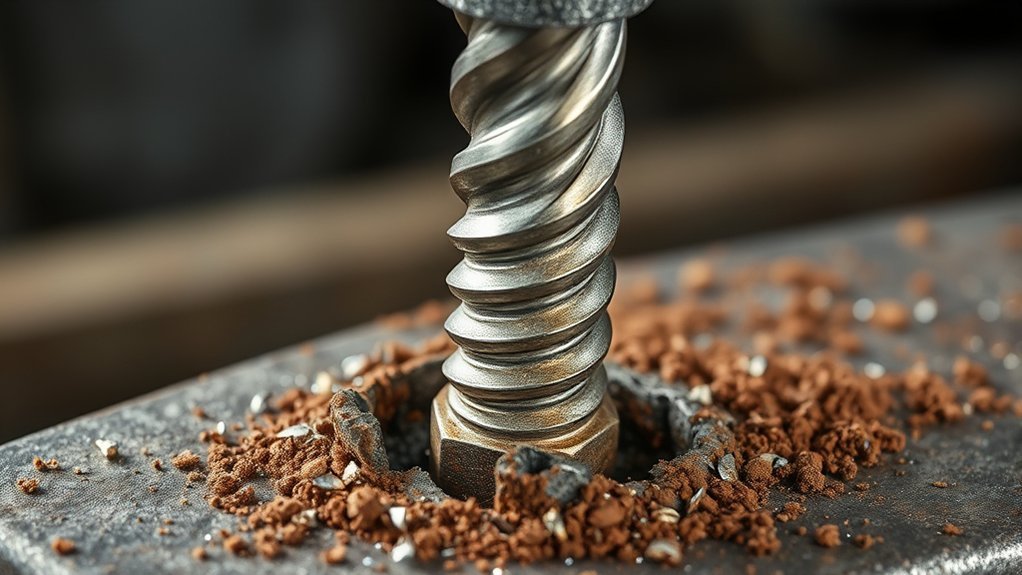
Cobalt drill bits offer superior hardness and heat resistance, making them ideal for removing extra tough broken bolts that standard HSS bits struggle with. You’ll benefit from cobalt drill advantages like prolonged bit life and consistent cutting efficiency under high stress. However, cobalt drill maintenance is essential. Regular sharpening and cleaning prevent heat buildup and material degradation.
| Feature | Description |
|---|---|
| Material | 5-8% cobalt alloyed steel |
| Hardness | Higher than HSS, withstands heat |
| Durability | Excellent for hardened bolts |
| Maintenance Needs | Sharpen often, keep free of debris |
Use precise drilling speed and steady pressure to maximize cobalt bit performance and avoid bit breakage.
Titanium-Coated Drill Bits for Bolt Removal
When you need enhanced durability and reduced friction during bolt removal, titanium-coated drill bits deliver reliable performance. You’ll find that the titanium benefits include a hard, wear-resistant surface that extends drill bit longevity considerably compared to standard high-speed steel bits.
This coating reduces heat buildup, allowing you to maintain consistent cutting efficiency when drilling through tough, broken bolts. To maximize effectiveness, use a slow to moderate speed and steady pressure, as the coating can wear off if overheated or abused.
Keep in mind titanium coatings don’t make the bit inherently tougher but improve the lifespan and cutting smoothness. If you want a drill bit that stays sharp longer and performs efficiently in bolt removal, titanium-coated options are a practical choice worth considering.
Preventing Drill Bit Breakage When Removing Bolts
To prevent drill bit breakage when removing bolts, you need to select bits made from durable materials like cobalt or titanium-coated steel. Use proper drilling techniques, such as maintaining steady pressure and correct speed, to avoid overheating and excessive wear.
These steps guarantee efficient cutting and extend the life of your drill bit.
Choosing Durable Drill Bits
How can you guarantee your drill bit withstands the stress of removing a broken bolt without snapping? Start by evaluating durability factors critically. Drill bits made from high-speed steel (HSS) with cobalt additives enhance heat resistance and toughness, vital for tough metal bolts.
Carbide-tipped bits offer superior hardness but can be brittle, so use them cautiously. Consider the bit’s coating; titanium nitride or black oxide reduce friction and extend life.
Material selection directly impacts wear resistance and strength under torque. Opt for bits designed specifically for metal drilling to avoid premature failure.
Proper Drilling Techniques
Although selecting the right drill bit is essential, you must also apply proper drilling techniques to prevent bit breakage during bolt removal. Start by securing the workpiece firmly to avoid movement. Use a center punch to create a guide mark, ensuring the drill bit type you choose stays aligned.
Begin drilling at a low speed with steady pressure, avoiding excessive force that can snap the bit. Employ cutting fluid to reduce friction and heat buildup, extending bit life. Periodically retract the bit to clear debris and maintain cutting efficiency.
Always wear appropriate personal protective equipment to uphold drilling safety standards. By combining the correct drill bit types with disciplined, methodical drilling techniques, you minimize the risk of breakage and improve bolt extraction success.
Alternatives to Drill Bits for Broken Bolt Removal
When drill bits prove ineffective or risk damaging the surrounding material, you can turn to alternative methods for broken bolt removal. Screw extractors, specifically designed for this purpose, grip the bolt’s interior by threading in reverse, allowing you to back the bolt out without further drilling.
To enhance this process, left handed drills can be employed; these drills rotate counterclockwise, often loosening the bolt as they create a pilot hole. This dual action reduces heat and prevents damage to the bolt’s housing.
When using screw extractors, make certain you select the correct size and apply steady torque to avoid breakage. Combining left handed drills with screw extractors provides a controlled, efficient method that minimizes risk, especially in precision-critical applications where maintaining the integrity of surrounding materials is paramount.
Conclusion
When removing a broken bolt, choosing the right drill bit—like a cobalt bit for hardened bolts—can save you time and prevent damage. For example, a mechanic faced with a seized stainless steel bolt successfully used a 90% diameter cobalt bit to drill precisely, allowing easy extraction without enlarging the hole.
Always match your bit type and size carefully to the bolt’s hardness and diameter for efficient, safe removal. This methodical approach guarantees you’ll avoid common pitfalls.
In conclusion, selecting the appropriate drill bit for removing a broken bolt is essential for a smooth and damage-free extraction.