Think of combination pliers as the Swiss Army knife of hand tools—compact yet multifaceted, designed to grip, bend, and cut with precision.
These versatile tools are essential for many tasks, offering a blend of functionality that few others can match.
When you pick them up, you’re not just holding a tool; you’re wielding a device engineered for efficiency and control.
But what exactly gives these pliers their versatility, and how do they differ from specialized counterparts?
Understanding this could change the way you approach your next project.
What Are Combination Pliers and How Do They Work?
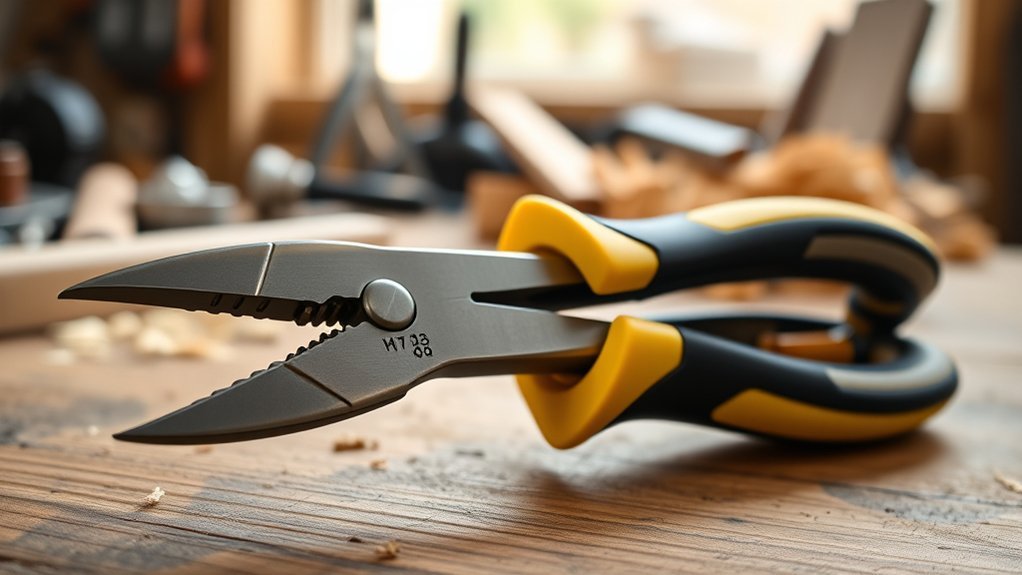
Combination pliers are versatile hand tools designed to grip, bend, cut, and manipulate various materials. Understanding combination pliers mechanics involves recognizing their dual-function jaws: serrated gripping surfaces near the pivot and cutting edges closer to the fulcrum.
This design leverages mechanical advantage, allowing you to exert significant force with precision. The pivot point acts as a fulcrum, translating your hand force into gripping or cutting power efficiently.
Combination pliers history dates back to the early 19th century when blacksmiths introduced multipurpose tools to improve workflow. Over time, enhancements in metallurgy and ergonomic design refined their functionality.
What Makes Combination Pliers So Versatile
Although many tools specialize in a single function, combination pliers excel because they integrate multiple capabilities—gripping, bending, and cutting—into one compact design. You’ll find their versatility stems from specific design features such as serrated jaws for secure gripping, a cutting edge positioned near the pivot for efficient wire cutting, and a rounded nose enabling precise bending.
These integrated elements allow you to perform diverse uses and applications without switching tools, enhancing efficiency in tasks ranging from electrical work to mechanical repairs. The ergonomic handle design further improves control and reduces fatigue during extended use.
Common Types of Combination Pliers
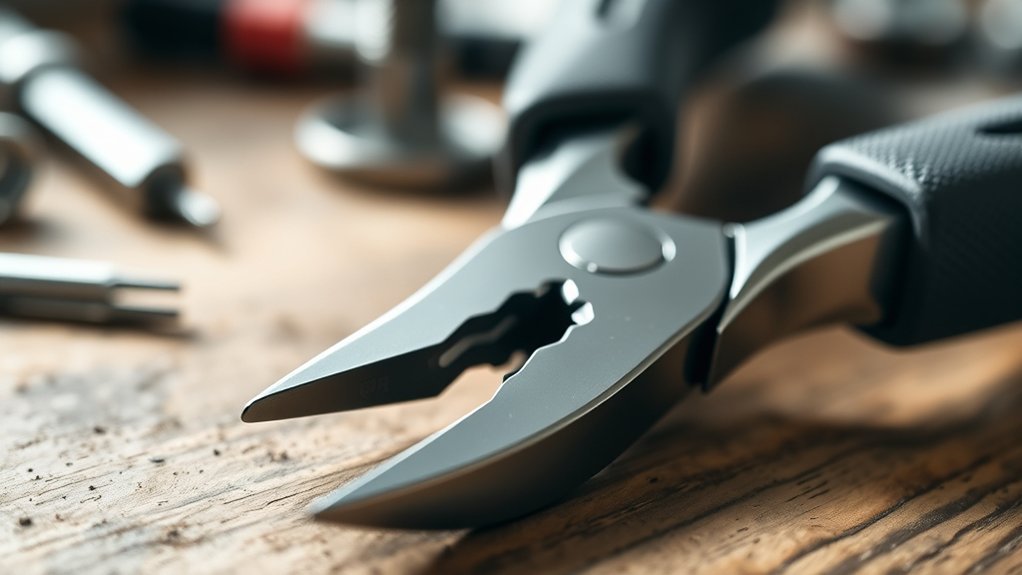
You’ll find that slip joint pliers offer adjustable jaw sizes for versatile gripping tasks, while long nose pliers provide precision in tight spaces.
Linesman pliers combine cutting and gripping capabilities, making them essential for electrical work. Understanding these types helps you select the right tool for specific applications efficiently.
Slip Joint Pliers Features
Slip joint pliers provide adjustable jaw widths, allowing you to grip objects of varying sizes with ease. The slip joint mechanism enables you to reposition the pivot point, effectively changing the jaw opening.
This pliers adjustment feature is typically achieved by sliding the pivot through multiple slots or a curved slot, locking into place securely. You can quickly switch between two or more jaw widths without needing additional tools.
This flexibility makes slip joint pliers versatile for gripping, twisting, or bending tasks. The jaws often combine flat gripping surfaces and serrated sections to maximize hold on different materials.
When using slip joint pliers, verify the pivot is firmly engaged to maintain grip strength and avoid slippage during application. Their design optimizes efficiency across a range of general-purpose tasks.
Long Nose Pliers Uses
Long nose pliers extend the adjustable gripping capabilities found in slip joint pliers by offering a slender, pointed jaw designed for precision tasks in tight spaces. When you use long nose pliers, you gain the ability to reach confined areas where bulkier tools can’t fit, enabling precise gripping and manipulation of small components.
Their tapered jaws are ideal for bending wires, forming loops, and holding minute objects firmly without slipping. The precision gripping offered by long nose pliers makes them essential in electronics, jewelry making, and detailed mechanical work.
You’ll appreciate how the elongated design enhances control and accuracy, especially when working with delicate materials or intricate assemblies requiring steady, exact force. These features distinguish long nose pliers as indispensable for tasks demanding fine detail and access.
Linesman Pliers Advantages
Several features make linesman pliers a versatile choice among combination pliers, especially for electrical and construction tasks. You’ll find their robust jaws ideal for gripping, twisting, and cutting wires during electrical work. The insulated handles enhance safety, while the built-in wire cutter saves time by eliminating the need to switch tools.
| Feature | Description | Benefit |
|---|---|---|
| Jaw Design | Flat gripping surface with cutting edge | Secure grip and wire cutting |
| Handle Insulation | Non-conductive material | Protects against electric shock |
| Size & Weight | Compact and balanced | Easy maneuverability |
| Durability | Heavy-duty steel construction | Long-lasting performance |
Using linesman pliers streamlines your electrical tasks, improving efficiency and safety on the job.
How Combination Pliers Compare to Other Pliers
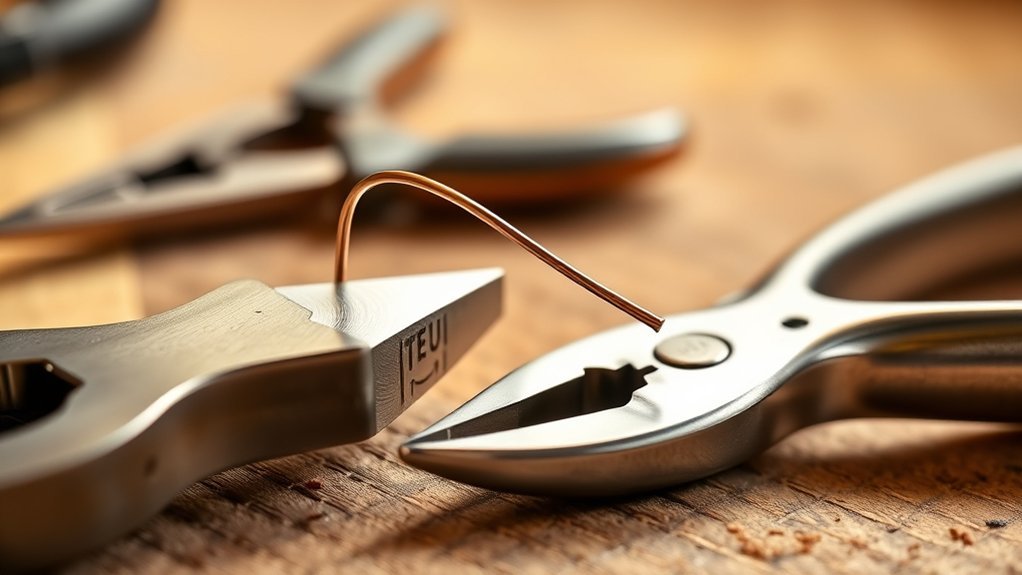
Although combination pliers share some functionalities with other types of pliers, they distinguish themselves through their integrated design that combines gripping, cutting, and bending capabilities in a single tool. When you analyze comparison methods across plier types, you’ll find that combination pliers offer a balanced versatility not matched by specialized variants like needle-nose or lineman pliers.
Needle-nose pliers excel at precision tasks in tight spaces but lack robust cutting jaws. Lineman pliers provide superior cutting strength but are bulkier and less suited for delicate gripping. By evaluating mechanical leverage, jaw design, and intended applications, you’ll see combination pliers serve as a multifunctional option, reducing the need to switch tools.
This analytical approach helps you understand their unique role within the broader plier family.
How to Choose the Right Combination Pliers
What factors should you prioritize when selecting combination pliers to guarantee peak performance? Focus first on the material quality; high-grade steel with heat treatment enhances durability and grip strength.
Examine combination pliers features such as jaw design. Serrated gripping surfaces paired with cutting edges assure versatility. Handle ergonomics matter too; insulated, non-slip grips improve control and safety.
Focus on jaw design with serrated grips and cutting edges, plus ergonomic insulated handles for safety and control.
When choosing pliers, consider the tool’s size relative to your typical tasks. A balance between reach and maneuverability is critical. Additionally, evaluate joint construction for smooth operation and minimal play, which maximizes precision.
Finally, assess corrosion resistance, especially if you work in humid or corrosive environments. By systematically analyzing these aspects, you’ll select combination pliers optimized for reliability and efficiency in your specific applications.
Common Uses for Combination Pliers
By selecting combination pliers that prioritize material quality, jaw design, and ergonomics, you equip yourself with a tool capable of handling diverse tasks. Combination pliers excel in repair tasks, where gripping, twisting, and cutting wires or small components demand reliable jaw strength and precision.
Their serrated jaws provide a secure grip on various materials, vital during electrical work that requires manipulating insulated wires without damage. Additionally, the integrated cutting edge allows clean wire cutting, essential in circuit assembly and maintenance.
You’ll also find them invaluable for bending metal sheets and tightening fasteners, showcasing their versatility. Understanding these common applications helps you leverage your combination pliers effectively, ensuring efficiency and safety in both mechanical repairs and electrical installations.
Tips for Maintaining and Caring for Combination Pliers
Since combination pliers endure frequent mechanical stress and exposure to dirt, regular maintenance is crucial to preserve their performance and extend their lifespan. You should clean, lubricate, and inspect your pliers routinely to prevent rust and guarantee smooth operation.
Proper plier care includes wiping off debris and applying light oil to the joint.
| Maintenance Task | Frequency | Purpose |
|---|---|---|
| Cleaning | After each use | Remove dirt and residues |
| Lubrication | Monthly | Reduce friction, prevent rust |
| Inspection | Weekly | Detect wear or damage |
| Storage | Always | Prevent moisture exposure |
| Handle Care | Periodic | Ensure grip integrity |
Adhering to these maintenance tips keeps your combination pliers reliable and efficient for demanding tasks.
Safety Precautions When Using Combination Pliers
Using combination pliers safely involves following several critical precautions to prevent injury and equipment damage. First, always wear appropriate safety gear, including gloves and eye protection, to shield yourself from debris or accidental slips.
Proper hand positioning is essential; grip the pliers firmly but avoid placing fingers near the jaws to prevent pinching. Inspect the tool for damage before use, confirming the handles and jaws are intact and clean.
Avoid applying excessive force beyond the pliers’ designed capacity, as this can cause tool failure or loss of control.
Always wear safety gear
Maintain correct hand positioning
Inspect the tool before use
Do not exceed force limits
Use pliers for intended tasks only
Adhering to these guidelines guarantees efficient and safe operation.
Where to Buy Quality Combination Pliers
You should prioritize trusted retail stores when purchasing combination pliers to guarantee product authenticity and warranty support.
Online shopping platforms offer convenience and a wide selection, but verify seller credibility before buying. Specialty tool suppliers often provide expert advice and high-quality options tailored to specific tasks.
Trusted Retail Stores
Finding trusted retail stores for quality combination pliers requires evaluating factors like brand reputation, product authenticity, and after-sales support. When you seek trusted brands, you want assurance that the tools meet industry standards and come with reliable warranties.
Product recommendations from professionals and verified customer reviews can guide your choice. Focus on retailers who stock certified tools and offer technical advice.
Consider these points when selecting a retail store:
- Authorized dealer status of trusted brands
- Availability of product certifications and warranties
- Expert staff knowledgeable about combination pliers
- Transparent return and repair policies
- Positive verified customer feedback and endorsements
Online Shopping Platforms
While trusted retail stores offer the advantage of in-person evaluation and expert consultation, online shopping platforms provide unparalleled convenience and access to a broader range of quality combination pliers. When you use online shopping, you can compare specifications, materials, and brands side-by-side without geographic limitations.
Detailed product reviews from verified buyers offer critical insights into tool durability, grip comfort, and cutting precision, enhancing your decision-making process. These platforms often feature advanced filtering options, allowing you to select pliers based on jaw size, handle type, and manufacturer reputation.
Additionally, you can access user-generated content, such as videos and Q&A sections, which provide practical demonstrations and troubleshooting tips. Overall, online shopping platforms streamline your search for high-performance combination pliers by delivering thorough data and peer evaluations efficiently.
Specialty Tool Suppliers
Although online platforms offer broad selections, specialty tool suppliers deliver expertly curated collections of combination pliers tailored for professional and industrial applications. When you choose specialty tools from dedicated tool suppliers, you gain access to higher-grade materials, precision engineering, and enhanced durability.
These suppliers focus on meeting rigorous industry standards that general retailers may overlook. You’ll find options designed for specific tasks, including insulated handles, ergonomic grips, and multi-functional features. To guarantee you get the right combination pliers, consider these advantages specialty tool suppliers offer:
- Extensive technical specifications and certifications
- Access to expert advice and product support
- Availability of industrial-grade and specialty tool brands
- Customization options tailored to your trade needs
- Reliable warranty and after-sales service
Relying on specialty tool suppliers guarantees your combination pliers perform efficiently in demanding work environments.
Conclusion
Now that you understand how combination pliers blend gripping, cutting, and bending functions efficiently, why settle for multiple tools when one can do it all? With their serrated jaws and ergonomic design, these pliers deliver precision and power in various tasks.
Choosing the right type and maintaining it properly guarantees peak performance and longevity. By mastering their use and safety precautions, you’ll maximize both efficiency and tool lifespan in your projects.
In conclusion, combination pliers are indispensable tools that combine versatility and durability, making them essential for any toolbox.