When you need to drill through thin metals like aluminum cans, can cut drill bits are the ideal choice. A standard bit often falls short, causing jagged edges or excessive heat.
Can cut drill bits are engineered specifically to address these challenges with precise geometry and materials that reduce wear and tear.
Understanding how they function and selecting the right type can greatly improve your results.
But what exactly sets these bits apart from regular drill bits?
What Are Can Cut Drill Bits: And How Do They Work?
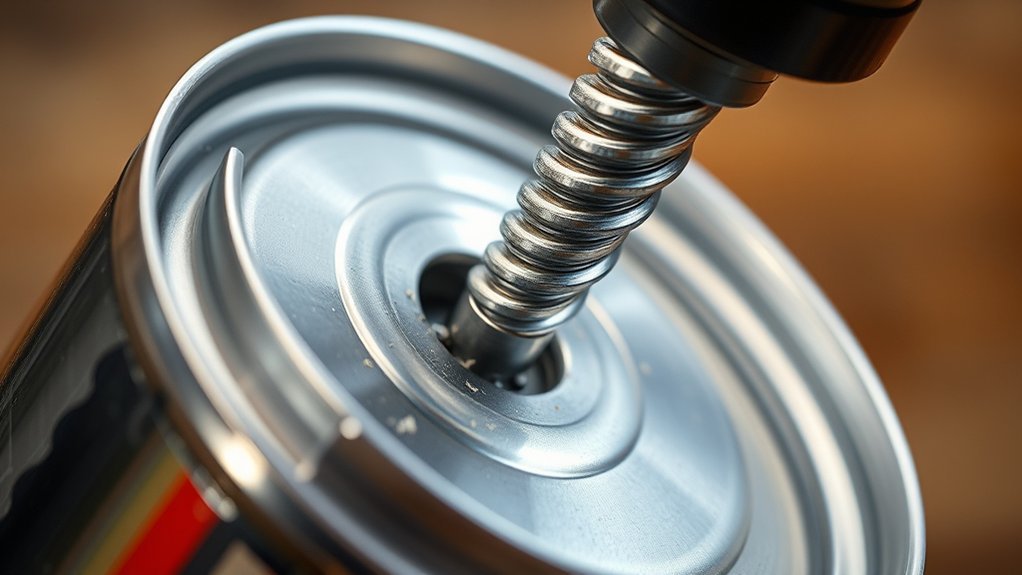
Can cut drill bits are specialized tools designed to penetrate and cut through metal surfaces, particularly thin sheet metals like cans. When you use can cut drill bits, you leverage advanced drill technology that optimizes cutting speed and reduces heat buildup.
These bits feature a unique geometry, often with sharp, angled cutting edges that efficiently shear metal without deforming it. The design focuses on maintaining stability and preventing bit walking during the initial contact with the metal surface.
As you apply rotational force, the can cut drill bit’s precision-engineered tip initiates a clean cut, followed by smooth material removal along the flutes. This drill technology guarantees minimal burr formation and extends bit lifespan, making can cut drill bits indispensable for tasks requiring accuracy and efficiency on thin metallic materials.
Types Of Can Cut Drill Bits And Their Uses
Understanding the various types of can cut drill bits helps you select the right tool for specific metal-cutting tasks. Primarily, you’ll encounter high-speed steel (HSS) bits, cobalt bits, and carbide-tipped bits, each designed for distinct applications.
HSS bits suit softer metals and general-purpose drilling due to their affordability and moderate durability. Cobalt bits, made from a steel alloy with 5-8% cobalt, excel in cutting harder metals, offering increased heat resistance and longevity.
Carbide-tipped bits provide the highest hardness and wear resistance, ideal for abrasive or extremely tough materials. By analyzing your project requirements, from metal thickness to hardness, you can choose the appropriate type.
Selecting the right bit optimizes cutting efficiency, reduces wear, and guarantees precision in your metal-drilling applications.
Best Materials And Projects For Can Cut Drill Bits
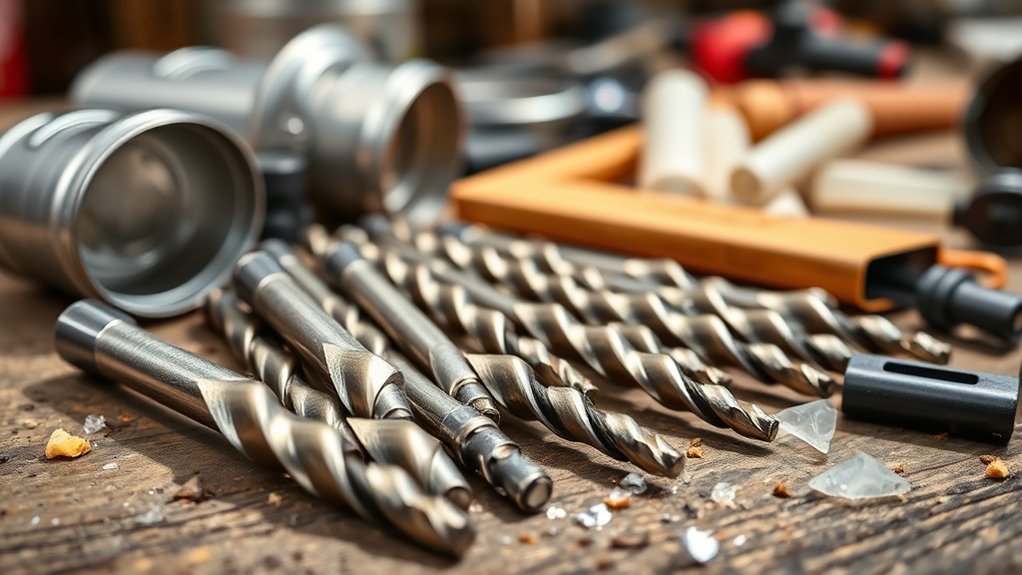
When working with thin sheet metals or light-gauge steel, you’ll find can cut drill bits particularly effective due to their specialized design for clean, burr-free holes. These bits excel in piercing materials like aluminum cans, providing smooth edges without deforming the metal.
Their sharp cutting edges reduce heat buildup, preserving material integrity. Beyond metals, you can also use can cut drill bits in wood projects requiring precision holes, especially where minimal tear-out is critical. However, their efficiency diminishes with hardwoods or dense composites, where conventional bits perform better.
How To Choose The Right Can Cut Drill Bit
Selecting the right can cut drill bit involves evaluating factors such as material compatibility, bit size, and coating type to guarantee peak performance. First, identify the material you’ll be working with: aluminum, steel, or tin. Choosing materials directly affects drill bit types.
High-speed steel (HSS) bits excel with softer metals, while cobalt or carbide-tipped bits handle harder surfaces. Next, match the bit size precisely to your project’s hole diameter to avoid inefficient cuts or damage.
Consider coating options like titanium nitride to reduce friction and improve durability when cutting tougher cans. By systematically analyzing these variables—material compatibility, drill bit types, size, and coatings—you ascertain maximum cutting efficiency, longer bit life, and clean, precise holes tailored to your specific applications.
How To Use And Care For Your Can Cut Drill Bits
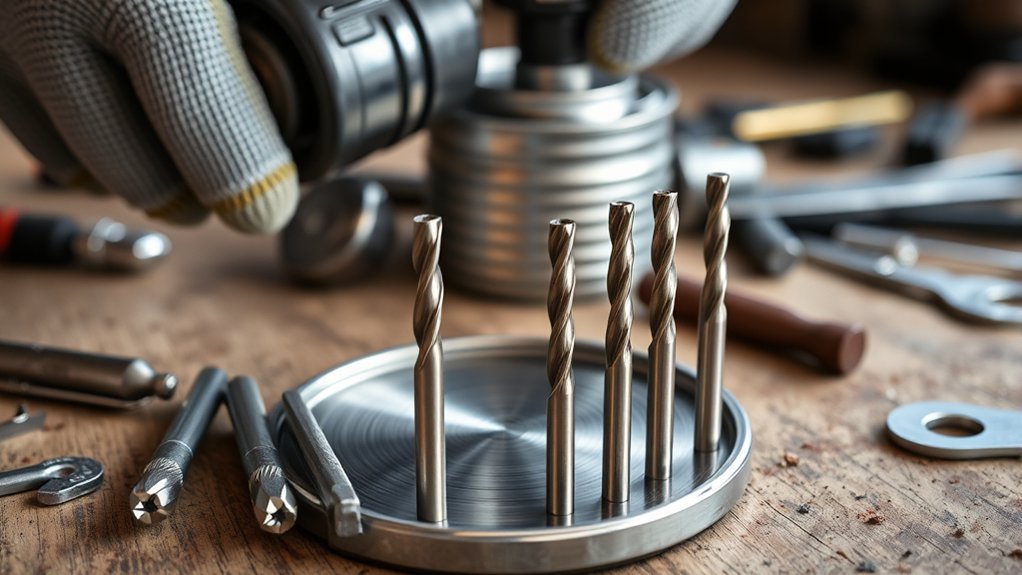
After choosing the appropriate can cut drill bit based on material, size, and coating, you must apply correct usage techniques to maintain its performance and longevity. Start by securing the workpiece firmly to prevent movement, then operate your drill at recommended speeds to avoid overheating.
Secure the workpiece firmly and use recommended speeds to ensure your can cut drill bit performs optimally and lasts longer.
Use steady, controlled pressure to reduce wear and guarantee clean cuts. Incorporate proper cooling methods, such as cutting fluids, to dissipate heat effectively.
For maintenance, clean the bit after each use to remove debris and prevent corrosion. Inspect the cutting edges regularly for dullness or damage; sharpening or replacement is essential when performance declines.
Store bits in a dry, organized environment to prevent physical damage. Following these usage techniques and maintenance tips will maximize your can cut drill bit’s efficiency and lifespan.
Conclusion
Now that you understand how can cut drill bits work and their types, choosing the right one for your project becomes straightforward.
Remember, “measure twice, cut once” applies here—selecting the proper material and geometry guarantees clean, efficient cuts with minimal burrs.
With correct use and care, these specialized bits will maintain performance and longevity, whether you’re working on metal or precision wood tasks.
Stay precise, and your results will reflect it every time when using can cut drill bits.