You might think converting an 8mm drill bit to inches is straightforward, but the exact measurement can surprise you.
An 8mm drill bit is not exactly 0.31 inches, as many assume.
The precise size is slightly different and can impact your project’s fit. Understanding this subtle distinction matters more than you might realize, especially when working with tools and materials that demand exact sizes.
Let’s explore what this means for your drilling tasks and how to ensure you get the right fit every time.
What Does an 8mm Drill Bit Size Mean in Inches?
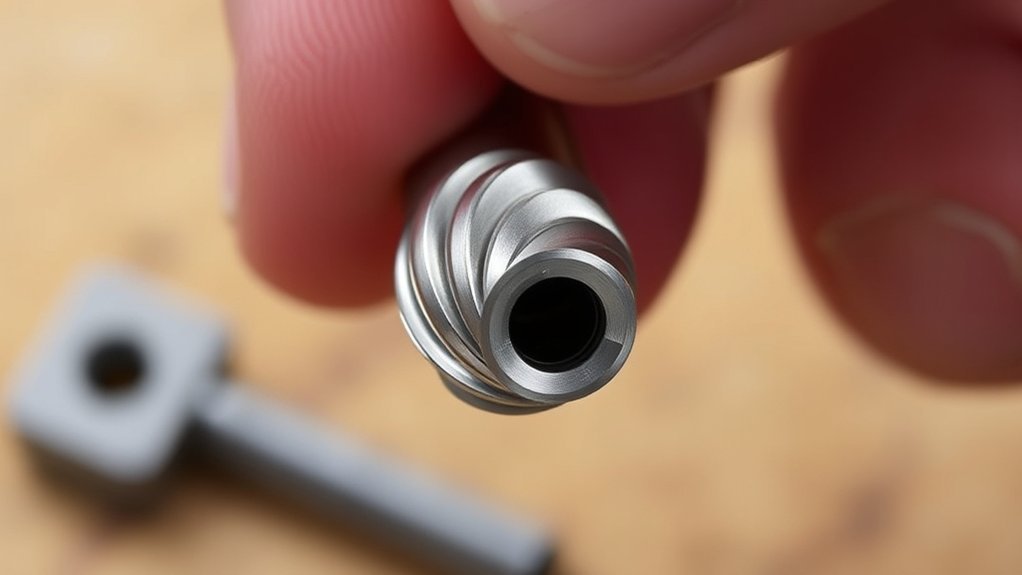
When you come across an 8mm drill bit, you might wonder how that translates to inches. Understanding this size in inches is essential for guaranteeing conversion accuracy and maintaining drilling precision.
An 8mm drill bit measures approximately 0.315 inches in diameter. This precise measurement helps you select the right drill bit when working with tools or materials specified in inches.
An 8mm drill bit equals about 0.315 inches, aiding precise tool selection for inch-based measurements.
Accurate size conversion prevents errors that could affect your project’s quality, such as oversized or undersized holes. By knowing the exact inch equivalent of an 8mm drill bit, you maintain consistent drilling precision across different measurement systems.
This knowledge guarantees your work aligns with technical requirements and promotes efficient, reliable results in your drilling tasks.
How to Quickly Convert 8mm to Inches
To quickly convert 8mm to inches, you just multiply by 0.03937. This simple formula gives you a precise result without any complicated math.
Keep a ruler or conversion chart handy for fast and accurate measurements on the go.
Simple Conversion Formula
Although metric measurements might seem unfamiliar, you can quickly convert 8mm to inches by using a simple formula: divide the millimeter value by 25.4. This straightforward conversion method lets you find the precise inch equivalent without needing complex tools or charts.
For example, dividing 8 by 25.4 gives you approximately 0.315 inches. Using this formula guarantees measurement accuracy, which is essential when selecting drill bits or working with tight tolerances.
While several conversion methods exist, this one stands out for its simplicity and reliability. By mastering this quick calculation, you can confidently switch between metric and imperial units whenever needed, making your work smoother and more accurate.
Keep this formula handy; it’s the fastest way to convert millimeters to inches on the spot.
Quick Measurement Tips
If you need to convert 8mm to inches quickly, keep a few handy tricks in mind. One quick measurement technique is to remember that 1 inch equals 25.4 millimeters. So, dividing 8 by 25.4 gives you approximately 0.315 inches. You can round this to about 5/16 inch for practical use.
Another fast approach is to use conversion tools like smartphone apps or online calculators, which deliver instant and accurate results. If you’re often working with drill bits, consider a drill bit gauge with both metric and imperial markings for immediate reference.
These quick measurement techniques save time and reduce errors, making your projects smoother and more efficient. Embrace these tools and tricks to convert 8mm to inches effortlessly every time.
Why Accurate 8mm-to-Inch Conversion Matters for Drilling
You need an accurate 8mm-to-inch conversion to guarantee your drill holes fit perfectly. Even slight errors can cause misalignment or damage your materials.
Plus, matching the drill bit size with your tools depends on precise measurements.
Precision In Hole Sizing
When you convert an 8mm drill bit measurement to inches, getting the exact size matters because even small discrepancies can affect how well a hole fits its intended fastener or component. In precision applications, drill bit accuracy guarantees your drilled holes maintain tight tolerances, preventing loose or overly tight fits that compromise structural integrity.
If the conversion isn’t precise, you risk misalignments or gaps, which can lead to mechanical failure or assembly issues. By understanding the exact inch equivalent of an 8mm drill bit, you maintain control over hole sizing, assuring consistency across your projects.
Accurate sizing also reduces material waste and rework, saving time and costs. So, always double-check conversions to uphold the precision your drilling tasks demand.
Tool Compatibility Importance
Maintaining exact measurements from 8mm to inches isn’t just about precision; it directly impacts tool compatibility. When you convert 8mm to inches accurately, you guarantee your drill bit fits perfectly into the chuck and matches the material’s specifications.
Using an inaccurate conversion can lead to a drill bit that’s too loose or too tight, risking damage to both the bit and your tool. This mismatch affects the stability and efficiency of your drilling process.
Common Tools Using 8mm Drill Bits and Their Inch Equivalents
Although 8mm drill bits are metric, many common tools and projects in the U.S. use their inch equivalents to confirm compatibility. For example, power drills, drill presses, and handheld rotary tools often rely on a 5/16-inch bit, close to 8mm, for tasks like woodworking and metalworking. Understanding these equivalents guarantees you select the right bit for your project without guesswork.
When using these tools, practicing proper drilling techniques is essential to avoid damaging materials or the bit itself. Regular bit maintenance, such as cleaning and sharpening, prolongs their lifespan and keeps your work precise.
How 8mm Drill Bits Stack Up Against Standard Inch Sizes
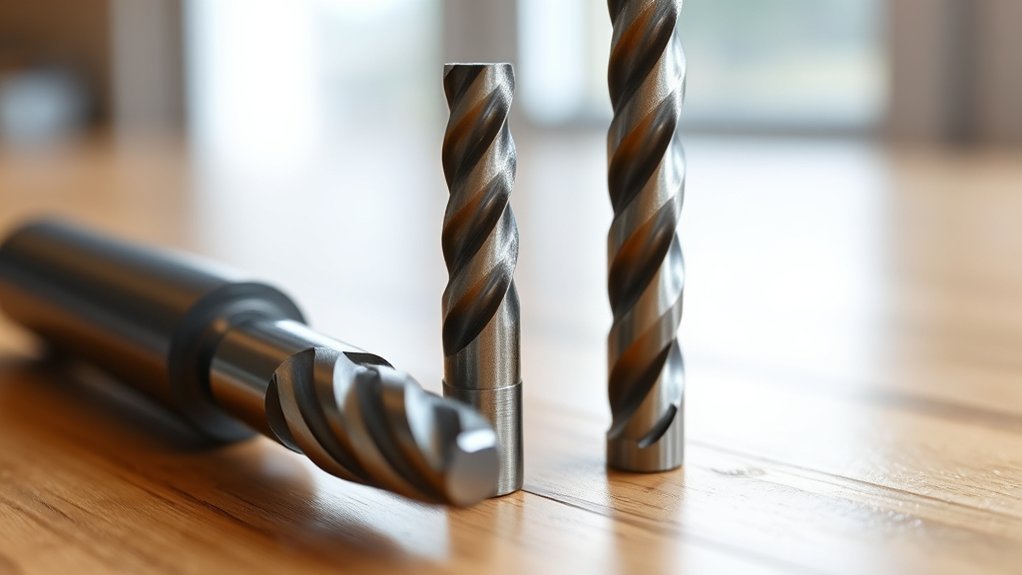
Understanding how 8mm drill bits compare to standard inch sizes helps you choose the right tool for your project without confusion. Since 8mm is a metric measurement, you’ll need to do a metric conversion to find the closest inch equivalent.
Here’s how 8mm drill bit sizes stack up against standard inch sizes:
- 8mm equals approximately 0.315 inches.
- The nearest common inch drill bit size is 5/16 inch (0.3125 inches).
- This means an 8mm bit is slightly larger than 5/16 inch by about 0.0025 inches.
- For precision work, always consider this small difference before substituting drill bit sizes.
Tips for Choosing the Right 8mm Drill Bit When Sizes Mix
When you work with mixed measurement systems, picking the right 8mm drill bit can get tricky. To guarantee accurate drill bit selection, first verify the exact size you need in inches, since 8mm equals approximately 0.315 inches.
Check your drill bit set for size compatibility, especially if it includes fractional or decimal inch sizes. Avoid guessing; even slight size differences can affect your project’s outcome.
Use a caliper to measure bits precisely when in doubt. Remember, size compatibility matters most when your project involves both metric and imperial components.
Best Materials to Drill With an 8mm Bit
Since an 8mm drill bit measures about 0.315 inches, it suits a variety of materials like wood, plastic, and softer metals such as aluminum. To get the best results, you should consider the best materials and drilling techniques for this size bit.
Here are four top materials to drill with an 8mm bit:
- Softwood and hardwood, ideal for furniture and construction projects.
- Acrylic and other plastics, easy to drill with minimal cracking risk.
- Aluminum and brass, softer metals that allow clean holes without excessive wear.
- Composite materials like fiberglass, where precision and smooth cuts matter.
Using proper drilling techniques like steady speed and cooling when needed helps extend bit life and improve hole quality.
How to Match 8mm Drill Bits With Inch-Based Screw Sizes
Although 8mm drill bits are measured metrically, you can match them to inch-based screw sizes by converting the diameter and considering the screw’s thread type. Start by converting 8mm to inches, approximately 0.315 inches.
Then, compare this size to standard inch-based drill bits to find the closest equivalent, often between a 5/16-inch (0.3125 inches) and 21/64-inch (0.328 inches) bit. Keep in mind that drill bit compatibility depends on the screw’s thread form and intended use.
For wood screws, slightly smaller pilot holes are typical, while machine screws require precise sizing for threading. To guarantee sizing accuracy, always check manufacturer recommendations or use a drill bit gauge.
This approach helps you select the right bit for your inch-based screws without compromising fit or function.
Where to Buy 8mm Drill Bits and Inch-Size Alternatives
Anyone looking to purchase an 8mm drill bit or its inch-size alternatives can find them at various hardware stores, online retailers, and specialty tool shops. Knowing where to shop guarantees you get the right size and quality. Here are four reliable options:
Find 8mm and inch-size drill bits easily at hardware stores, online retailers, and specialty tool shops for quality and variety.
- Local hardware stores often stock both metric and inch drill bits for immediate purchase.
- Online retailers like Amazon and Home Depot offer extensive selections with customer reviews.
- Specialty tool shops provide expert guidance and high-quality bits for professional use.
- Industrial supply websites cater to specific needs, including precise inch-size alternatives close to 5/16 inches.
Conclusion
You might think converting an 8mm drill bit to inches is rocket science, but it’s actually a breeze—and knowing this can save you from a drilling disaster!
That tiny 0.315-inch difference can make or break your project, so don’t wing it. With the right conversions and a sharp eye, you’ll nail every hole perfectly.
Trust me, mastering this simple step turns you into a drilling superstar—no sweat, just precision! Understanding what an 8mm drill bit is in inches is key to getting your measurements right every time.