Skip to content
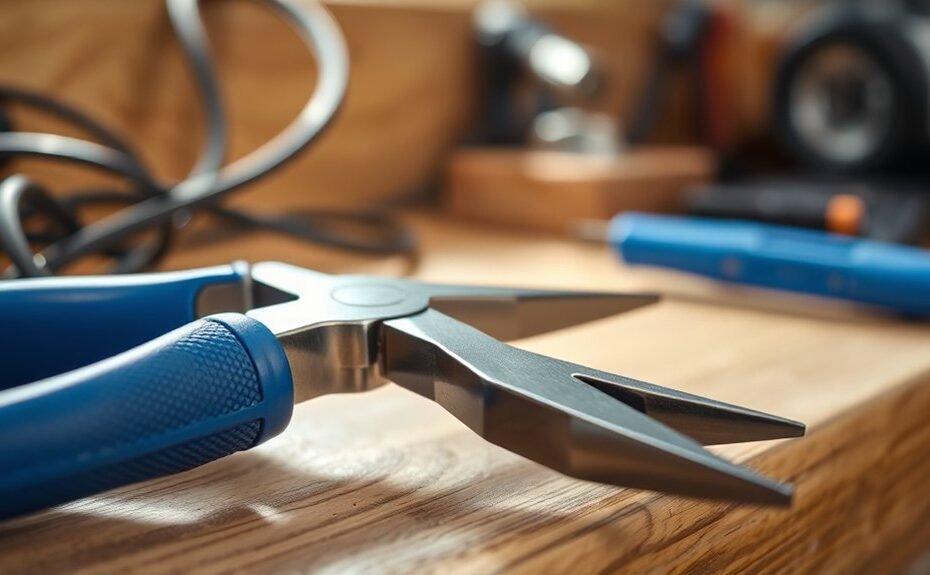
specialized wire cutting tool

What Are Dike Pliers

When you need a tool designed specifically for cutting wire cleanly and efficiently, dike pliers become indispensable. Their angled jaws deliver a precise shearing action that standard pliers can’t match, allowing you to handle electrical or craft tasks with greater accuracy.

Understanding what sets dike pliers apart and when to choose them over other cutting tools can greatly improve your workflow and results. But what exactly makes their design so effective?

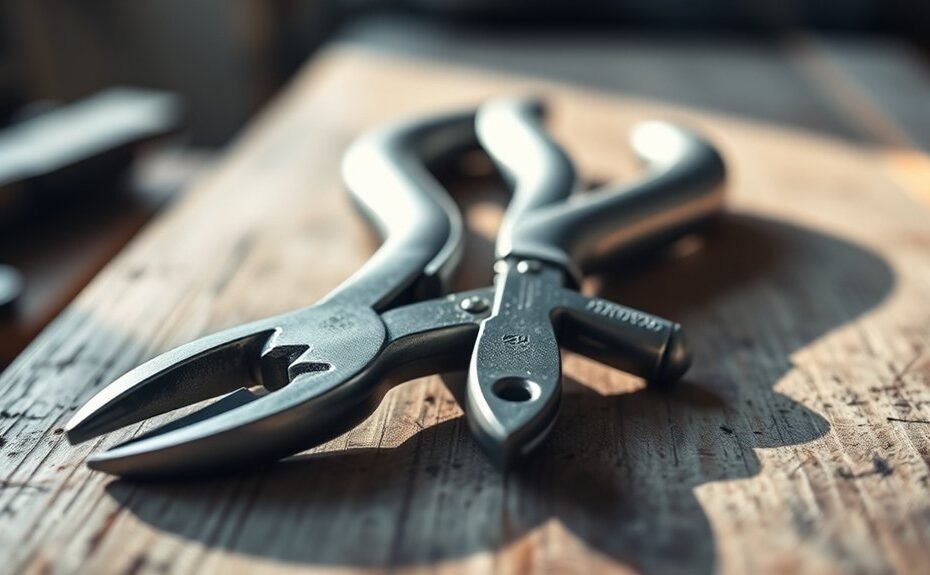
pliers termed as pair

Why Are Pliers Called a Pair

You might not realize that when you say “a pair of pliers,” you’re referring to more than just the tool’s shape. It’s about how the two connected parts work together to multiply your grip and force.

This dual mechanism is why pliers, unlike many tools, are always described as a pair, a detail rooted in both their design and linguistic history. Understanding this reveals something surprising about common tool names you use every day.

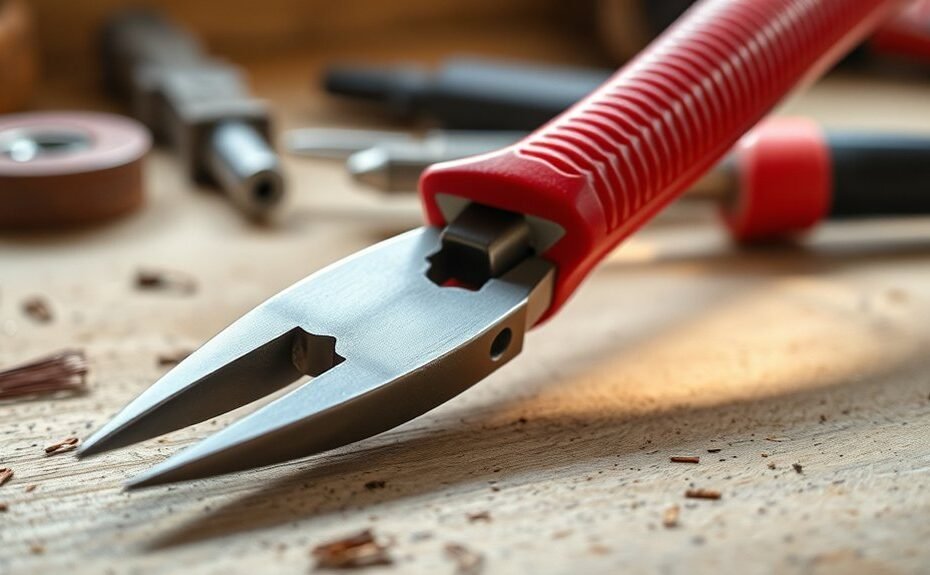
cutting and gripping tools

What Are Diagonal Pliers

Did you know that diagonal pliers can increase cutting efficiency by up to 40% compared to standard wire cutters? When you use them, their angled jaws and precise pivot placement allow for clean cuts in confined spaces, making them indispensable for electricians and technicians.

Understanding how these design features work together will help you determine why diagonal pliers are often the preferred tool for intricate cutting tasks.

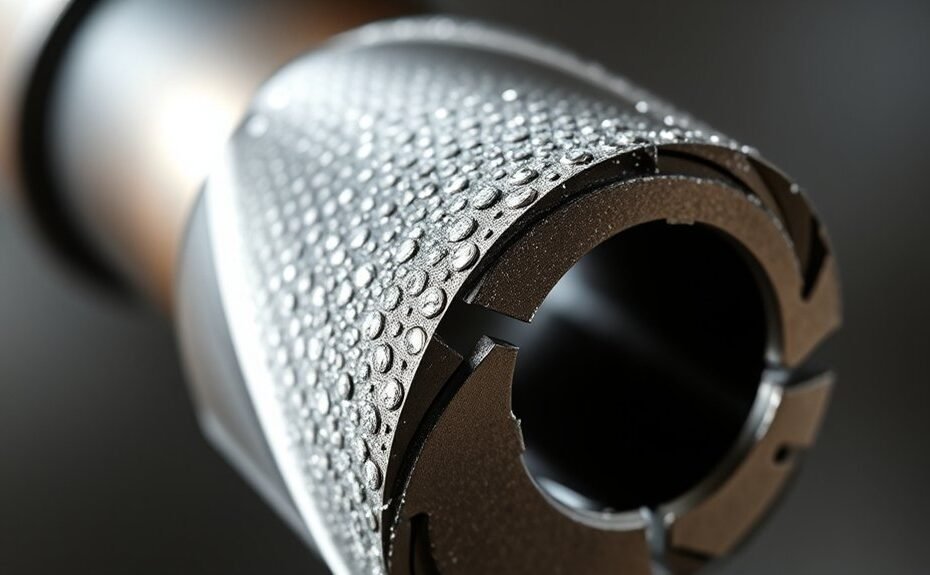
diamond coated cylindrical cutting tool

What Does a Diamond Drill Bit Look Like

Imagine holding a tool that looks like a miniature fortress, its steel body crowned with a gritty, sparkling edge that hints at raw cutting power. This is what a diamond drill bit looks like, precisely engineered for durability and performance.

But the appearance alone doesn’t reveal the full story behind its design nuances and material choices. To truly understand its form and function, you’ll need to explore how these features come together.