Skip to content
change ryobi drill bit

How to Change Drill Bit on Ryobi

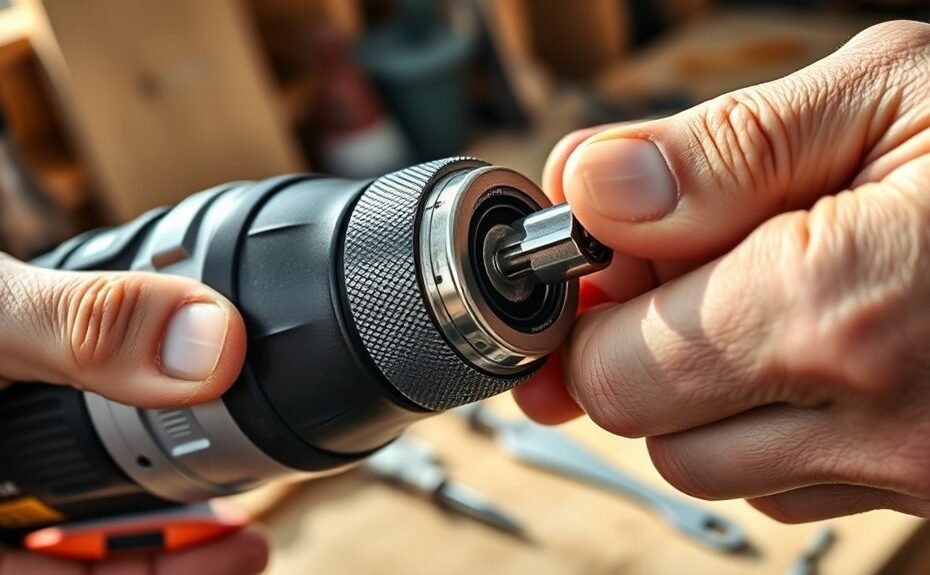
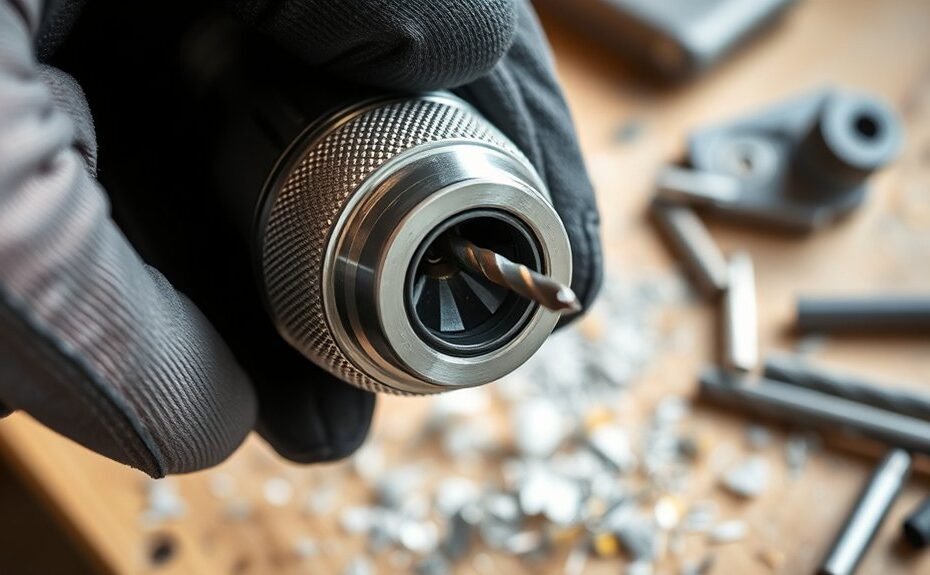
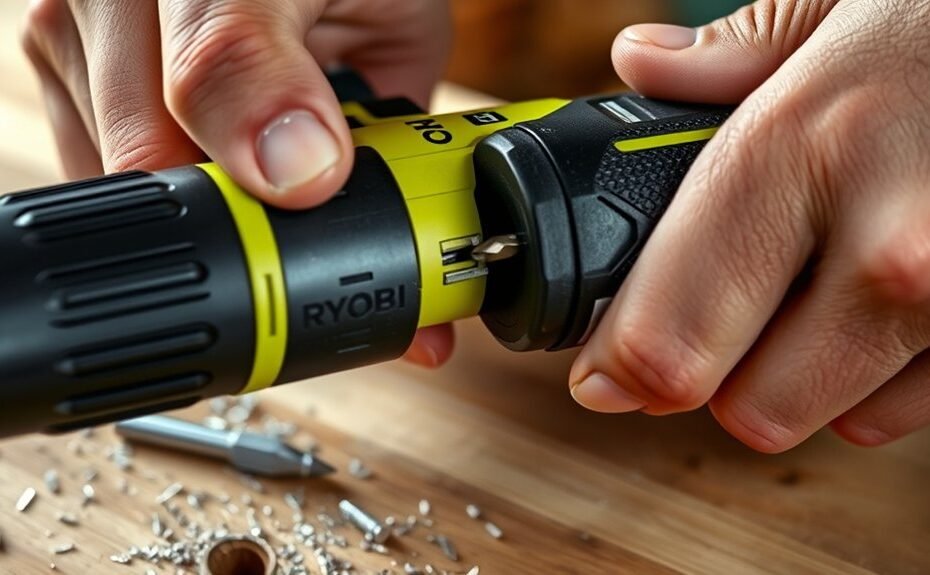
When you need to change the drill bit on your Ryobi drill, the first step is identifying whether you have a keyless or keyed chuck, as each requires a slightly different approach. You’ll want to make certain the drill is powered off before loosening the chuck to avoid injury.

Properly loosening and tightening the chuck guarantees the bit stays secure during use. Next, you’ll learn the precise steps to safely and efficiently swap out your drill bit.

drill bit size for tap

What Size Drill Bit for 10 32 Tap

When preparing to tap a 10-32 thread, selecting the correct drill bit size is critical to achieve proper thread engagement and avoid tap breakage. You’ll want to use a 21/64 inch drill bit, as it provides the ideal minor diameter for clean, strong threads.

But what if that size isn’t available? Understanding why this precise dimension matters and how to adapt can save you time and prevent costly errors.

drill bit size for tapping

What Size Drill Bit to Tap 5 16

Choosing the right drill bit for tapping a 5/16 hole is like selecting the perfect key to access a precise fit. You might think a 1/4 inch or a #7 drill bit will work, but the subtleties of thread engagement demand more careful calculation.

Understanding the exact drill size isn’t just about hole diameter; it affects thread strength and tap longevity. Before you start, consider what’s truly at stake with your drill bit choice.

remove dewalt drill bit

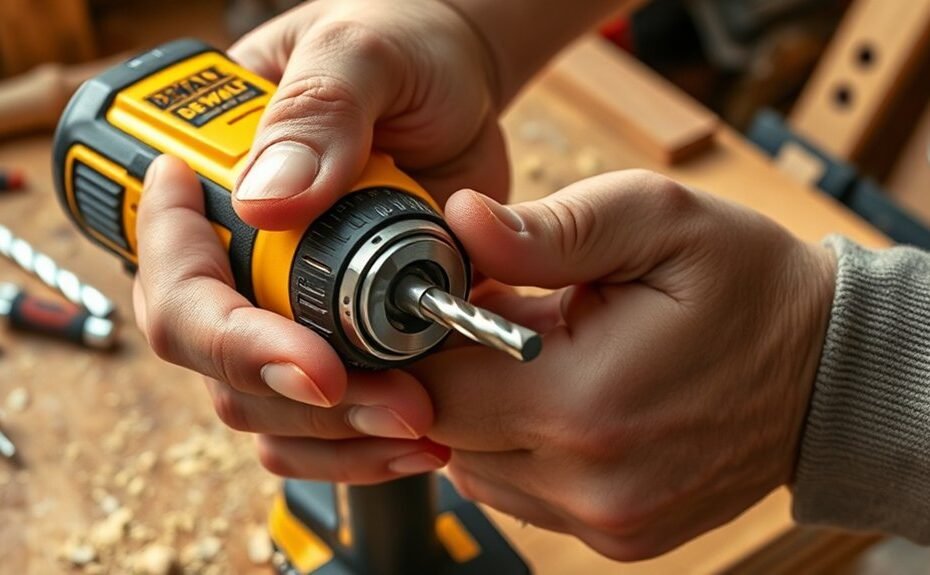
How to Remove Drill Bit From Dewalt

When your DeWalt drill bit gets stuck, you need a clear, effective approach to remove it without damaging the tool. Start by safely disconnecting power and identifying the chuck type, either keyed or keyless.

Applying the right technique and tools can make all the difference, especially if the bit has seized due to debris or corrosion. Understanding these steps guarantees you won’t worsen the problem, but there’s more to weigh before you act.

release drill bit safely

How to Release Drill Bit From Drill

You might think releasing a drill bit is just a quick twist, but stuck bits often require more than that simple move. If you’ve tried loosening the chuck without success, understanding the exact type of chuck and the right method to apply can save you frustration and potential damage.

Let’s explore practical steps and troubleshooting techniques that guarantee you can safely and efficiently free your drill bit.

replace drill bit easily

How to Change a Drill Bit

Imagine holding a drill, ready to tackle your next project, only to realize the bit needs changing. You can’t just pull it out and push a new one in without the right technique.

Knowing how to safely and efficiently swap drill bits saves time and prevents damage to both the tool and your workpiece. Before you pick up that chuck key or twist the collar, there are essential steps you need to master first.

insert drill bit securely

How to Put a Drill Bit in a Drill

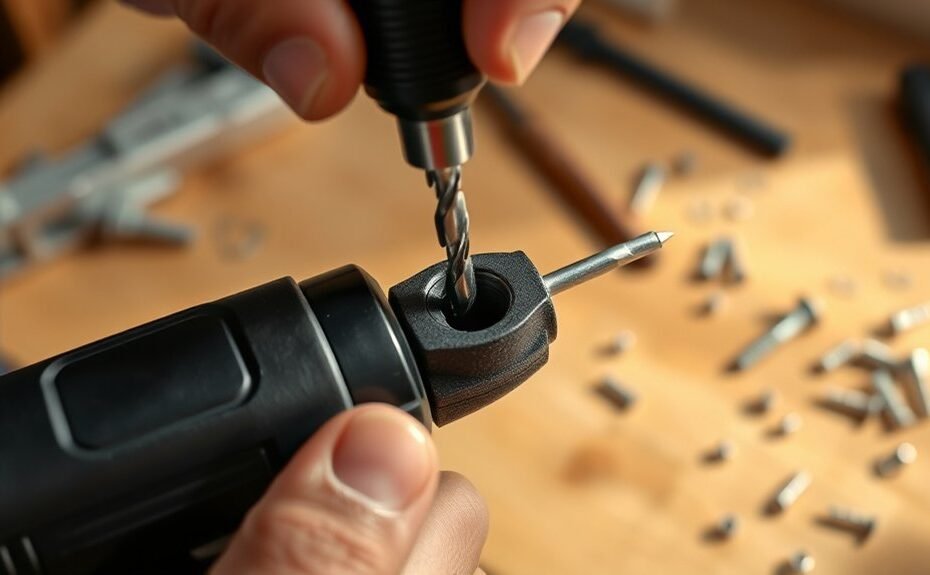
Putting a drill bit in a drill may seem straightforward, yet doing it improperly can lead to poor performance or safety risks. You’ll need to understand your drill’s chuck type and how to loosen it correctly before inserting the bit.

This process demands precision to guarantee the bit is secure and aligned. Knowing these steps will help you avoid common mistakes and achieve ideal results with your tool.

m8 rivnut drill bit

What Size Drill Bit for m8 Rivnut

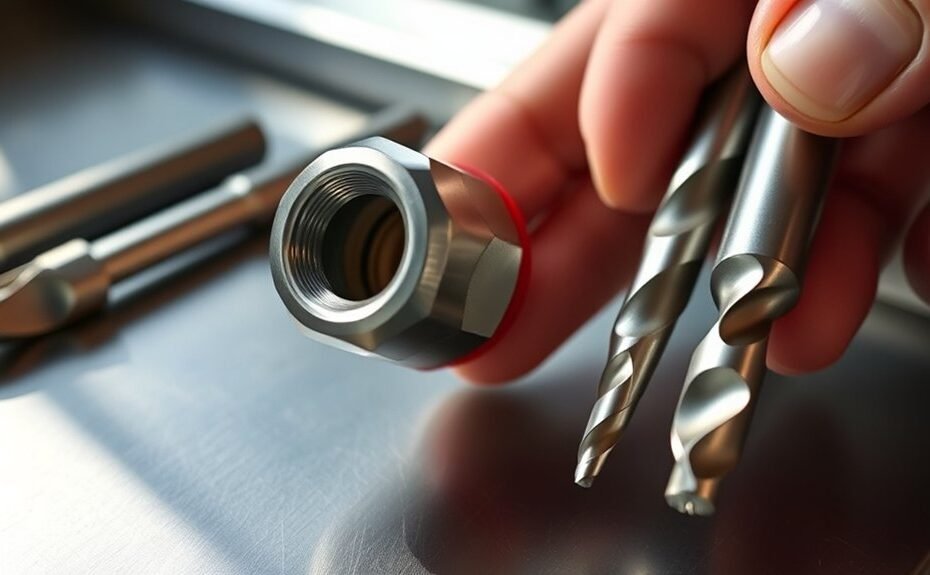
When you’re preparing to install an M8 rivnut, selecting the correct drill bit size is essential to guarantee a secure fit and maintain material integrity.

You’ll typically need a 13mm bit to match the rivnut’s outer diameter, but the exact size can vary based on material thickness and rivnut style.

Using the wrong bit risks improper seating or weakening the joint, so understanding the precise requirements before drilling makes all the difference.

drill bit size for grease

What Size Drill Bit for 1 4 Grease Fitting

Think of the right drill bit size as the key that opens a secure grease fitting installation. When you’re working with a 1/4-28 grease fitting, precision is everything. Too large a hole compromises the seal, too small makes threading difficult.

You’ll want to use a #21 drill bit, measuring 0.159 inches, but there’s more to the process than just picking the size. Let’s explore what else you need to get this right.

specialized drill for countersinking

What Is a Counter Sink Drill Bit

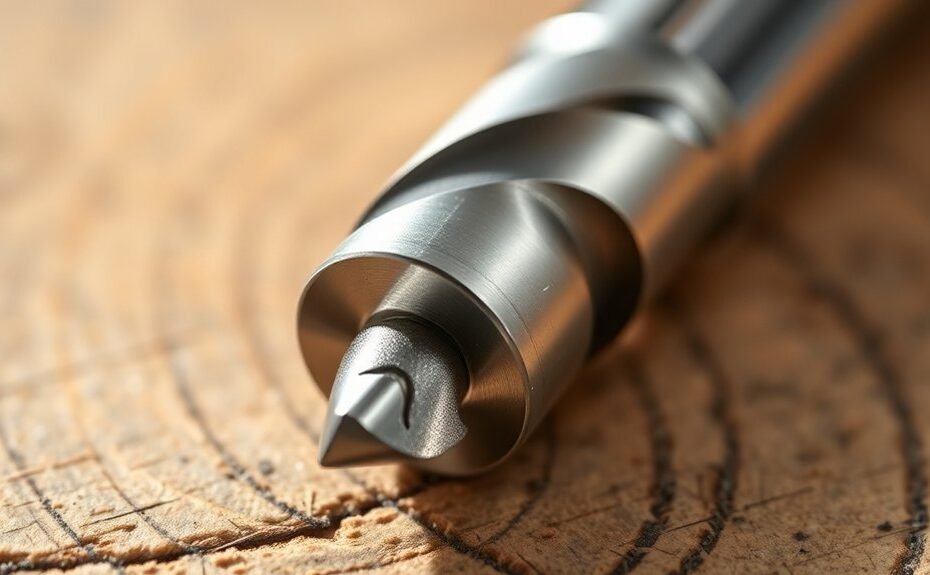
When you need screws to sit flush or below a surface, a countersink drill bit becomes essential. It cuts a precise conical hole that matches the screw head’s shape, preventing protrusion and ensuring a smooth finish.

Understanding how this tool works and when to use it can improve both your project’s durability and appearance. But what specific types of countersink bits exist, and how do you choose the right one for your needs?