When you need to install or remove snap rings, using the right snap ring pliers is essential to avoid damage or injury.
You’ll want to first distinguish whether you’re working with internal or external rings, then select pliers with tips designed for that type.
Positioning the pliers correctly and applying controlled force guarantees the ring expands or contracts as needed.
However, mastering this tool involves more than just gripping—understanding the nuances can make all the difference.
What Are Snap Ring Pliers and When to Use Them
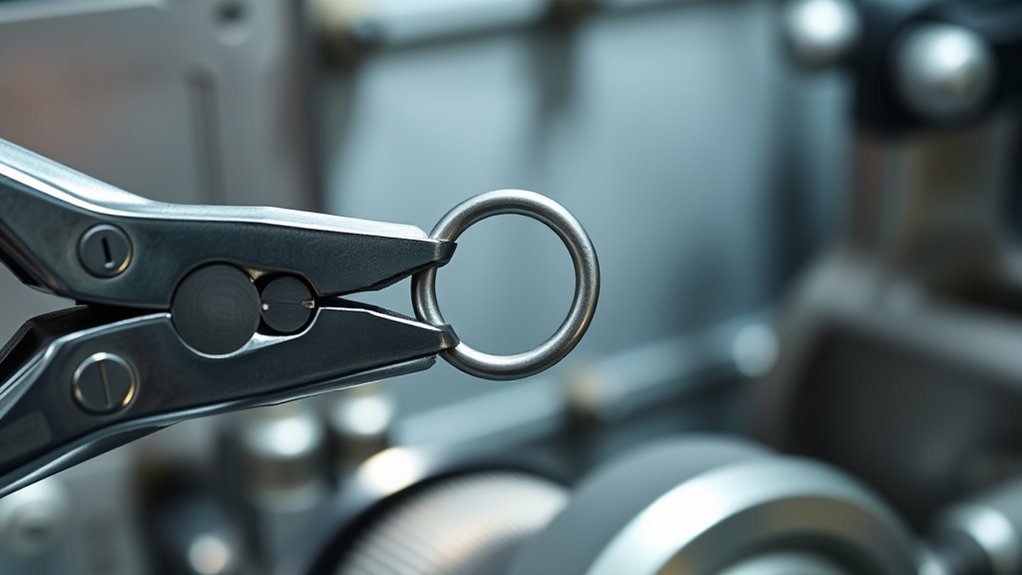
Snap ring pliers are specialized hand tools designed to install and remove snap rings, also known as retaining rings or circlips. Understanding snap ring history helps you appreciate their evolution from simple metal rings to precision-engineered components essential in mechanical assemblies.
Snap rings secure shafts, bearings, and gears within housings, preventing axial movement. You’ll find snap ring applications in automotive, aerospace, and industrial machinery, where reliable fastening is critical.
When you use snap ring pliers, you apply precise force to expand or compress the ring, fitting it into a groove. Using the correct pliers guarantees you avoid damaging the ring or the assembly.
Knowing when to use snap ring pliers is crucial for maintaining mechanical integrity and efficient disassembly during repairs or maintenance.
How to Identify Internal vs. External Snap Rings
When working with retaining rings, distinguishing between internal and external types is essential for selecting the right snap ring pliers. For internal identification, look for rings designed to fit inside a bore or housing, applying outward pressure to stay in place.
External identification involves rings that fit around a shaft, applying inward pressure. Recognizing these differences guarantees you handle and install snap rings correctly.
| Feature | Internal Snap Rings |
|---|---|
| Position | Inside bore or housing |
| Pressure Applied | Outward |
| Shape | Usually circular or slightly oval |
| Installation Direction | Expanded during installation |
| Feature | External Snap Rings |
| Position | Outside shaft |
| Pressure Applied | Inward |
| Shape | Circular or split ring |
| Installation Direction | Compressed during installation |
Picking the Right Snap Ring Pliers for Internal and External Rings
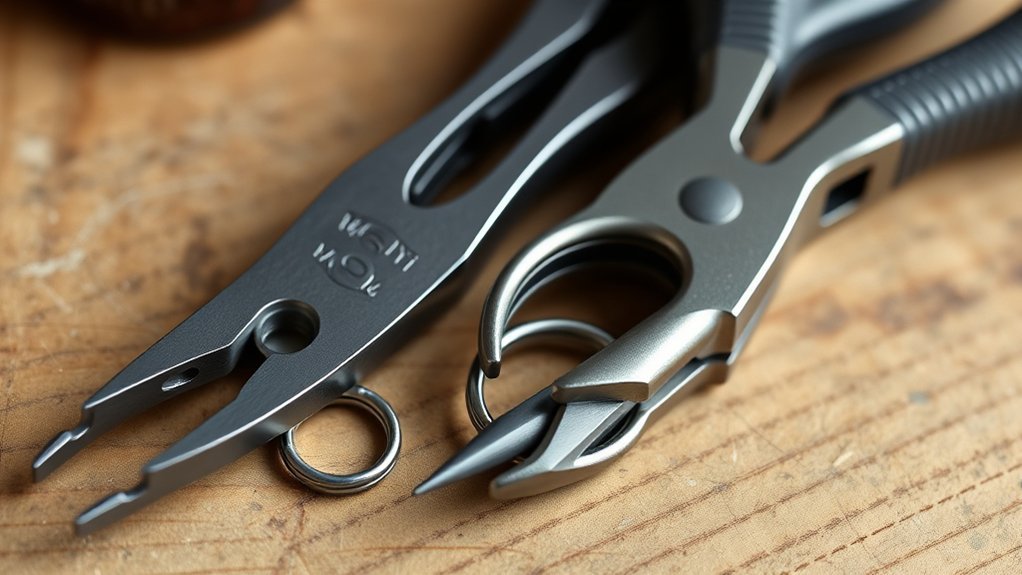
You’ll need to select snap ring pliers based on the type of ring, internal or external, you’re working with. Consider the pliers’ tip configuration to match the ring’s groove, ensuring a secure fit for installation or removal.
Additionally, evaluate material quality and grip design to maintain control and durability during use.
Types Of Snap Rings
Selecting the correct snap ring pliers depends on understanding the types of snap rings you’re working with. Snap rings vary by design, material, and application, so you must identify these factors first.
Common snap ring materials include carbon steel and stainless steel, chosen based on corrosion resistance and strength requirements. Applications differ from securing shafts to housing bores, influencing your choice.
| Snap Ring Type | Material | Typical Application |
|---|---|---|
| Internal | Carbon Steel | Fits inside bores to retain components |
| External | Stainless Steel | Fits around shafts for axial retention |
| Spiral | Phosphor Bronze | Used where radial force distribution is critical |
Match your pliers to these types and materials for efficient, safe removal and installation.
Pliers Tip Configurations
Though snap ring pliers come in various designs, choosing the right tip configuration is vital for efficiently handling internal and external rings. You’ll encounter several pliers tip types: straight tips, angled tips, and bent tips.
Straight tips provide direct access and control, ideal for rings in open spaces. Angled and bent tips improve reach and visibility in confined or hard-to-reach areas. Match the tip type to your specific application to avoid ring damage or slippage.
Additionally, consider pliers tip materials. Hardened steel tips offer durability and resistance to deformation, while softer materials may prevent marring delicate surfaces. Selecting the appropriate combination of pliers tip types and pliers tip materials guarantees precision and safety when installing or removing internal or external snap rings.
Material And Grip Options
Understanding the tip configurations and materials sets the foundation for choosing snap ring pliers, but the tool’s overall material and grip design directly impact your control and comfort during use. You should select pliers made from high-strength steel or alloy to guarantee durability and resistance against wear when handling various snap ring materials.
For internal rings, opt for pliers with corrosion-resistant coatings to maintain tool integrity. Pay close attention to grip textures: rubberized or textured grips reduce slippage and enhance precision, especially in oily or greasy environments. Ergonomically designed handles distribute pressure evenly, minimizing hand fatigue during repetitive tasks.
How to Remove Snap Rings Safely Using Snap Ring Pliers
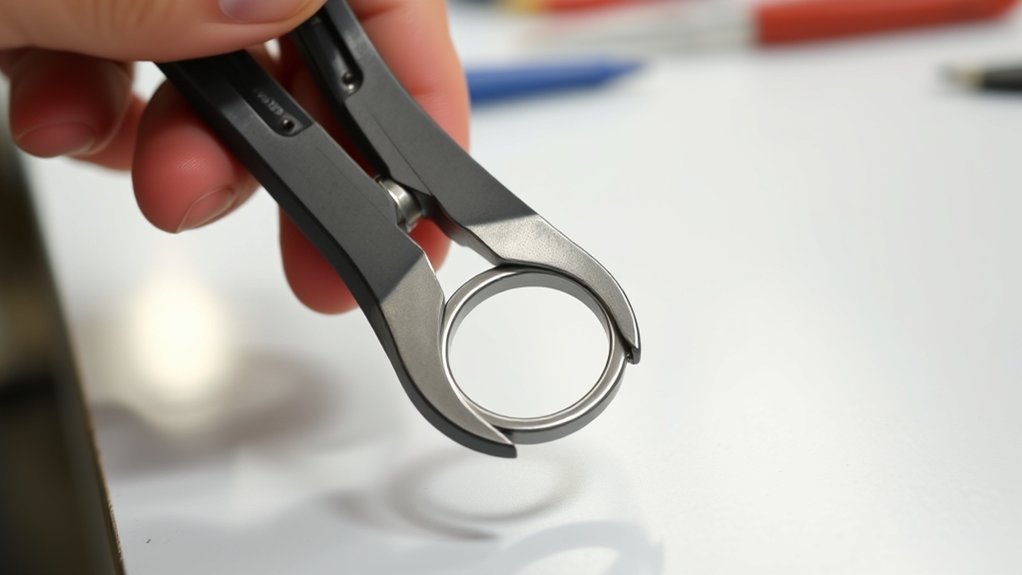
To remove snap rings safely, first guarantee you use the correct type of pliers designed for the ring’s size and orientation. Position the pliers’ tips securely into the ring’s holes or notches before applying controlled pressure to expand or compress the ring.
Maintain steady, precise movements to prevent the ring from slipping or causing injury during removal.
Proper Pliers Selection
Before attempting to remove a snap ring, you need to select the correct snap ring pliers that match the ring’s size and type. Identify the snap ring type, internal or external, as this determines whether you use pliers that compress or expand the ring.
Measure the snap ring’s diameter to guarantee the plier tips fit precisely into the ring’s holes or notches. Examine plier features such as tip shape (straight or angled), tip size, and jaw strength; these influence grip and control during removal.
Choose pliers with ergonomic handles to reduce hand fatigue and maintain steady force application. Using the wrong pliers risks damaging the snap ring or surrounding components, so prioritize matching plier features to the specific snap ring types you’re working with for safe, efficient removal.
Safe Removal Techniques
Although snap rings may appear small and simple, removing them demands careful technique to avoid damage or injury. First, always wear safety glasses and gloves as essential safety precautions to protect yourself from sudden snap-back.
Select the correct snap ring pliers that fit the ring’s diameter and type precisely. Insert the pliers’ tips securely into the ring’s holes or notches. Apply steady, controlled pressure to expand or compress the ring, depending on its design, without forcing it.
Gradually lift the ring away from its groove once loosened. Avoid twisting or bending the ring, which can deform it or cause it to slip unexpectedly. By following these removal techniques strictly, you guarantee a safe, efficient process that preserves both the snap ring and surrounding components.
How to Install Snap Rings With Snap Ring Pliers
Begin by selecting the correct snap ring pliers that match the size and type of the snap ring you need to install. Position the snap ring securely in the pliers’ tips, guaranteeing a firm grip.
Squeeze the handles evenly to expand or compress the snap ring, depending on whether it’s an internal or external ring. Carefully align the snap ring with the groove on the shaft or bore.
Maintain steady pressure on the pliers to keep the ring expanded or compressed, then gently release it into the groove. Confirm the snap ring is fully seated by inspecting its position visually and by feel.
Apply steady pressure to position the snap ring, then carefully release and verify its secure seating.
Proper snap ring installation requires adherence to precise snap ring techniques to prevent damage and safeguard mechanical integrity during operation.
Handling Different Sizes and Types of Snap Rings Effectively
When working with snap rings, you’ll encounter various sizes and types that demand specific pliers and techniques to handle effectively. First, identify the snap ring sizes accurately using calipers or measuring tools to select the correct plier tips.
Internal snap rings require pliers with inward-pointing tips to expand rings during installation or removal, while external snap rings need outward-pointing tips to compress the ring. Pay attention to snap ring types, be it round wire or flat steel, as this affects the grip and pressure applied.
Use interchangeable or adjustable pliers when working with varied sizes to maintain control and prevent deformation. Always align the plier tips precisely with the ring’s holes or notches to guarantee a secure hold, minimizing risks of slippage or damage.
Common Snap Ring Pliers Mistakes to Avoid
Since snap ring installation and removal require precision, avoiding common mistakes with snap ring pliers is essential to secure safety and maintain component integrity. First, never force pliers that don’t match the snap ring size; this risks deforming the ring and tool. Always select pliers with tips that fit securely into the ring’s holes or grooves.
Avoid neglecting snap ring care by handling rings gently. Damaged rings compromise assembly reliability. Resist the urge to use worn or rusted pliers, as they reduce grip effectiveness and increase slippage hazards.
Proper plier storage prevents tip misalignment and corrosion. Store them in a clean, dry place with protective covers if available. By steering clear of these errors, you guarantee precise operation and extend both tool and snap ring lifespan.
How to Maintain and Care for Your Snap Ring Pliers
Although snap ring pliers are designed for durability, regular maintenance is essential to secure consistent performance and longevity. Begin your snap ring maintenance by cleaning the pliers after each use, removing dirt and debris with a dry cloth or soft brush.
Apply a light machine oil to the pivot joint to assure smooth operation and prevent rust. Inspect the tips regularly for wear or damage, as worn tips compromise grip and safety.
Store the pliers in a dry environment to avoid corrosion, and avoid exposing them to harsh chemicals. Proper plier care includes periodically tightening loose pivot screws and checking for alignment.
Troubleshooting Common Snap Ring Pliers Problems
If your snap ring pliers aren’t functioning as expected, diagnosing the issue promptly guarantees safe and efficient repairs. Common problems often stem from improper snap ring alignment or significant pliers wear.
Inspect the tips for deformation or misalignment, which obstructs proper ring engagement. Check the pivot joint for stiffness or looseness, affecting control. Lubricate moving parts and replace worn components if necessary.
| Problem | Cause | Solution |
|---|---|---|
| Difficulty gripping ring | Snap ring alignment off | Realign tips carefully |
| Loose pliers action | Pivot wear | Tighten or replace pivot |
| Tips slipping | Pliers wear | Replace or sharpen tips |
Following these steps restores functionality and prolongs tool life.
Conclusion
Mastering snap ring pliers means maneuvering with meticulous motion and mindful muscle. By matching the right pliers to the ring type, applying appropriate pressure, and maintaining steady control, you’ll secure snap rings swiftly and safely.
Stay sharp, stay steady, and safeguard your setup with safety gear. Consistent care and careful handling create confident, clean installations—cutting down on costly corrections and chaos.
Precision, patience, and practice pave your path to proficient snap ring performance. With these qualities, using snap ring pliers becomes second nature, ensuring every job is done right the first time.