You can safely use tung oil as a natural wood finish if you handle it properly and guarantee good ventilation. Tung oil is biodegradable and non-toxic compared to synthetic options, making it a popular choice for eco-friendly woodworking.
However, raw tung oil may cause skin irritation or allergic reactions in some people, especially with prolonged exposure. Using protective gear such as gloves and following manufacturer guidelines reduces these risks.
Understanding how to apply it safely and manage potential problems will help you get the best results while protecting your health.
Proper application and care are key to enjoying tung oil’s benefits without adverse effects.
What Tung Oil Is and How to Use It
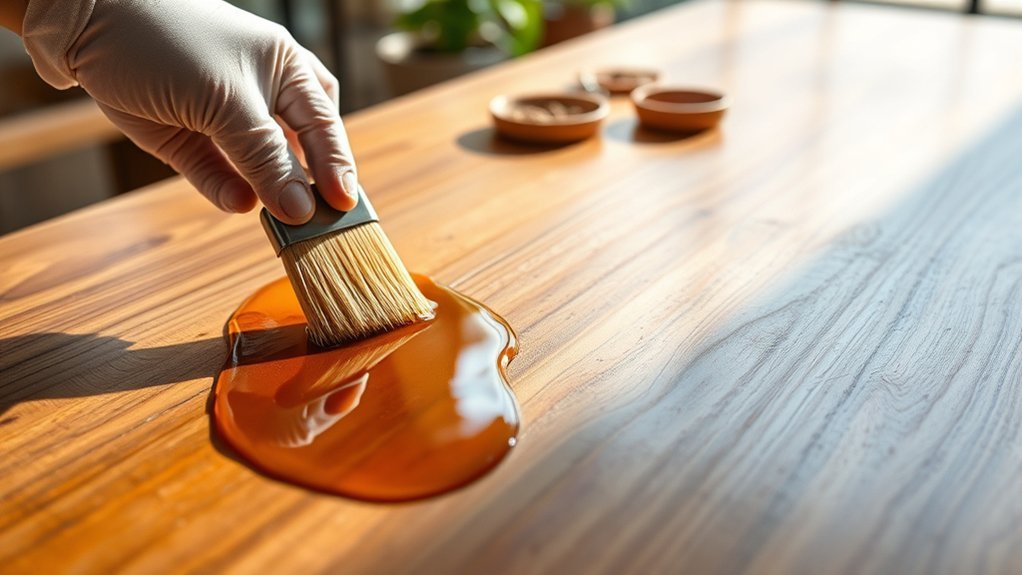
Tung oil is a natural drying oil derived from the seeds of the tung tree, primarily used as a wood finish and protective coating. Understanding tung oil origins helps appreciate its traditional use in East Asia, especially China, where it has been valued for centuries.
When you apply it, you’ll notice tung oil benefits such as water resistance, enhanced wood grain appearance, and flexible, durable protection. To use it properly, verify the wood surface is clean and dry. Apply thin coats with a brush or cloth, allowing each layer to dry thoroughly before adding the next.
This cautious approach maximizes penetration and curing, essential for peak performance. Tung oil’s natural composition demands patience during application, but it rewards you with a resilient, non-toxic finish suitable for various wood types.
Is Tung Oil Safe or Toxic?
While the natural composition of tung oil offers many benefits, you might wonder about its safety and potential toxicity. Tung oil is generally considered safe when used as intended, largely due to its plant-based origin and minimal chemical additives.
Its tung oil benefits include being a biodegradable, non-toxic finish for wood, making it a preferred choice among natural alternatives. However, you should handle raw tung oil with caution, as ingestion or prolonged exposure to unprocessed oil could pose health risks.
Proper ventilation and protective measures during application further reduce any potential hazards. Overall, tung oil is a safer option compared to synthetic finishes, but you should always follow manufacturer guidelines to guarantee safe use and maximize its natural advantages.
Can Tung Oil Cause Allergies or Skin Irritation?
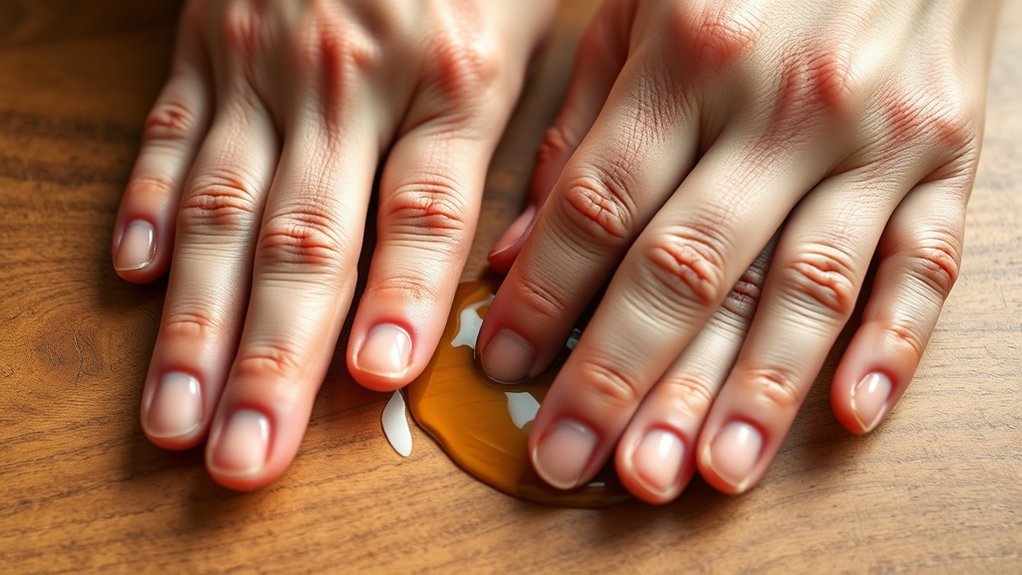
How likely are you to experience allergies or skin irritation from exposure to tung oil? While tung oil is generally considered safe, some individuals may develop tung oil allergies or skin irritation upon contact.
The oil contains compounds that can act as sensitizers, potentially triggering allergic reactions in sensitive individuals. Symptoms of skin irritation may include redness, itching, or rash at the site of exposure. However, these reactions are relatively uncommon and typically occur with prolonged or repeated exposure.
If you have a history of allergies or sensitive skin, it’s prudent to exercise caution when handling tung oil. In any case, monitoring your skin’s response after contact can help identify any adverse effects early. Consulting a healthcare professional is advisable if you suspect tung oil allergies or persistent skin irritation.
How to Apply Tung Oil Safely
Before you start applying tung oil, guarantee your work area is well-ventilated and free of ignition sources. Use controlled, even strokes to apply the oil, avoiding excess that can lead to hazardous spontaneous combustion during drying.
After application, properly dry and dispose of oil-soaked materials according to safety guidelines to minimize fire risk.
Preparing the Work Area
Since tung oil is flammable and can emit strong fumes, you should make certain your work area is well-ventilated and free from ignition sources. Open windows or use fans to promote air circulation, reducing inhalation risks.
Before starting, focus on cleaning surfaces thoroughly to remove dust, grease, or residues that could interfere with oil absorption or finish quality. Use mild detergents and allow surfaces to dry completely.
Protect furniture and surrounding items by covering them with drop cloths or plastic sheets, preventing accidental spills or stains. Additionally, keep a fire extinguisher nearby as a precaution.
Avoid working near open flames, electrical equipment, or sparks. Taking these careful steps will minimize hazards and create a safe environment for applying tung oil effectively.
Proper Application Techniques
Why is precise technique essential when applying tung oil? Because improper application can result in uneven curing, hazardous fumes, or fire risks. To guarantee safety, follow these application tips and safety precautions carefully.
| Step | Safety & Application Tip |
|---|---|
| Surface Preparation | Sand and clean the surface to remove debris. |
| Application Method | Use a lint-free cloth or brush evenly. |
| Coating Thickness | Apply thin layers to avoid slow drying. |
| Ventilation | Guarantee good airflow to disperse fumes. |
You shouldn’t rush each step. Wait for each layer to dry thoroughly before applying the next. Avoid pooling oil, which risks spontaneous combustion. Use gloves and work in a well-ventilated area. By following these precise application techniques, you minimize health hazards and guarantee a durable finish.
Safe Drying and Disposal
After applying tung oil with care, the drying and disposal phases require equal attention to prevent hazards. For safe drying, make certain the treated surface is in a well-ventilated area with moderate temperature and low humidity to promote even curing and reduce fire risk.
Avoid stacking oily rags or leaving them bunched, as spontaneous combustion can occur. Instead, lay them flat outdoors or submerge in water until fully dried.
Regarding disposal methods, never discard tung oil-soaked materials in regular trash without proper treatment. Follow local regulations for hazardous waste disposal or take them to designated collection centers.
How Does Tung Oil Safety Compare to Other Wood Finishes?
Although many wood finishes serve similar purposes, their safety profiles can vary greatly, especially when you consider factors like toxicity, VOC emissions, and allergenic potential. When evaluating tung oil safety compared to wood finish alternatives, you’ll find that tung oil benefits include lower VOC levels and reduced toxicity, making it generally safer for indoor use.
Unlike some synthetic finishes, tung oil is derived from natural sources, which may reduce chemical exposure risks. However, it can still cause allergic reactions in sensitive individuals. In contrast, finishes like polyurethane or lacquer often emit higher VOCs, posing respiratory risks during application and curing.
What to Do If Tung Oil Causes Problems

If you experience adverse reactions or other issues after using tung oil, it’s important to promptly identify the symptoms and take appropriate steps to mitigate harm. Tung oil reactions can range from mild skin irritation to respiratory discomfort.
Use the table below for troubleshooting tips to address common problems efficiently:
| Problem | Troubleshooting Tips |
|---|---|
| Skin irritation | Wash affected area with soap and water; avoid further contact |
| Respiratory discomfort | Move to fresh air; seek medical help if symptoms persist |
| Allergic reaction | Discontinue use; consult healthcare professional |
| Wood discoloration | Test on scrap wood before full application |
| Poor drying | Ascertain proper ventilation; apply thin, even coats |
Always prioritize safety and consult a professional if symptoms worsen or persist.
Frequently Asked Questions
Can Tung Oil Be Used on Outdoor Furniture?
Yes, you can use tung oil on outdoor furniture. Its tung oil benefits include excellent outdoor durability and water resistance.
However, you’ll need multiple coats and proper curing time to guarantee effective protection against weathering.
How Long Does Tung Oil Take to Dry Completely?
Imagine a glossy coat slowly setting under warm sunlight; tung oil’s drying time typically spans 24 to 48 hours per coat. Your application methods, such as thin layers and proper ventilation, critically influence this precise curing process.
Is Tung Oil Food-Safe for Cutting Boards?
Yes, with proper tung oil application, you can use it food-safe on cutting boards. Ascertain multiple coats cure fully for cutting board maintenance, as incomplete drying may pose risks. Always avoid raw or unfinished tung oil.
Can Tung Oil Be Mixed With Other Finishes?
Mixing finishes might seem like a shortcut, but you shouldn’t combine tung oil with other finishes without testing first. Tung oil benefits include deep penetration, yet mixing finishes can alter drying times and compromise durability. Proceed with caution.
What Is the Shelf Life of Unopened Tung Oil?
You’ll find the shelf life of unopened tung oil typically ranges from 1 to 2 years. Proper storage conditions, such as keeping it cool, dark, and airtight, are essential to maintain its chemical stability. This helps prevent premature degradation or polymerization.
Conclusion
In the end, while tung oil is generally safe when used properly, it’s not without caution. Think of it as a friend who’s helpful but needs respect—avoid ingestion, prolonged skin contact, and guarantee good ventilation. Allergic reactions, though rare, can occur, so test first.
Compared to other finishes, tung oil offers a relatively low-toxicity option, but your safety depends on careful application and awareness. Isn’t it wise to handle even nature’s gifts with care? Ultimately, understanding that tung oil is safe when used responsibly ensures you can enjoy its benefits without unnecessary risks.