You might not realize that a hook and loop orbital sander uses a Velcro-like system to secure sanding discs, allowing for quick, tool-free changes. This mechanism guarantees discs stay firmly in place during random orbital motion, reducing slippage and heat buildup.
Understanding this design reveals why these sanders offer consistent performance and versatility. But what makes this attachment method superior to others in various sanding applications?
What Is a Hook and Loop Orbital Sander?

What makes a hook and loop orbital sander distinct is its unique abrasive attachment system. You’ll notice it uses a hook and loop mechanism, similar to Velcro, to secure sanding discs firmly yet allow quick changes. This design enhances operational efficiency by minimizing downtime during abrasive swaps.
When considering hook and loop sander suitability, you must evaluate the sanding task’s precision and convenience requirements. The system excels in applications demanding frequent grit changes or varying surface textures because it enables rapid disc replacement without tools.
Additionally, the hook and loop interface ensures consistent abrasive alignment, reducing slippage during use. By understanding these mechanical advantages, you can assess whether this sander type fits your specific project needs, optimizing performance and workflow through its innovative fastening technology.
Why Use a Hook and Loop Orbital Sander?
Why should you choose a hook and loop orbital sander over other sanding tools? The hook and loop system offers rapid abrasive disc changes, minimizing downtime and enhancing workflow efficiency. Unlike adhesive-backed discs, hook and loop pads maintain consistent grip without residue buildup, ensuring uniform sanding performance.
This orbital sander type provides controlled, random orbital motion, reducing swirl marks and surface imperfections. You’ll appreciate the precise control over sanding aggression, essential for delicate finishes and detailed work. Additionally, hook and loop orbital sanders distribute pressure evenly, preventing gouging and extending abrasive life.
Their ergonomic design often reduces user fatigue during extended use. Overall, the hook and loop orbital sander combines versatility, precision, and operational efficiency, making it a superior choice for both professional and DIY sanding applications.
How to Choose Sanding Pads for Hook and Loop Sanders
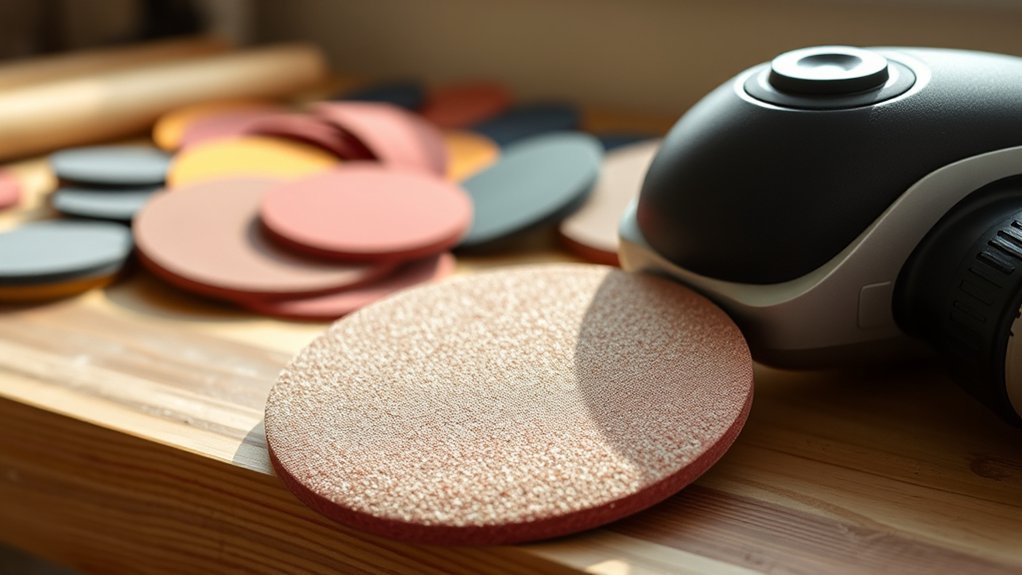
How do you select the right sanding pads for your hook and loop orbital sander? Focus on key technical factors ensuring optimal performance and longevity. Consider these four points:
- Material Compatibility: Match the pad’s abrasive type to your workpiece, whether wood, metal, or plastic, to avoid inefficient sanding or surface damage.
- Grit Size: Choose grit based on the task, using coarse for heavy stock removal and fine for finishing.
- Abrasive Adhesives Quality: Opt for pads with durable abrasive adhesives to ensure the grit stays intact under friction and heat.
- Pad Backing: Verify the backing material’s flexibility and durability; it must securely attach to the hook and loop system and conform to surface contours.
Changing and Maintaining Sanding Pads
Selecting the right sanding pads is only part of maintaining your hook and loop orbital sander’s effectiveness. You need to regularly inspect pads for wear, ensuring pad compatibility with your sander model to avoid damage or suboptimal performance.
When pads show signs of clogging, tearing, or reduced abrasiveness, replace them promptly to sustain pad longevity and consistent finish quality. To change pads, power off the sander, peel off the worn pad from the hook and loop backing, then align and firmly press the new pad onto the backing surface.
Proper storage of unused pads in a dry, dust-free environment also extends their lifespan. Following these practices optimizes sanding efficiency, protects the tool, and reduces operational costs by maximizing pad longevity and ensuring consistent results.
Best Projects for Hook and Loop Orbital Sanders
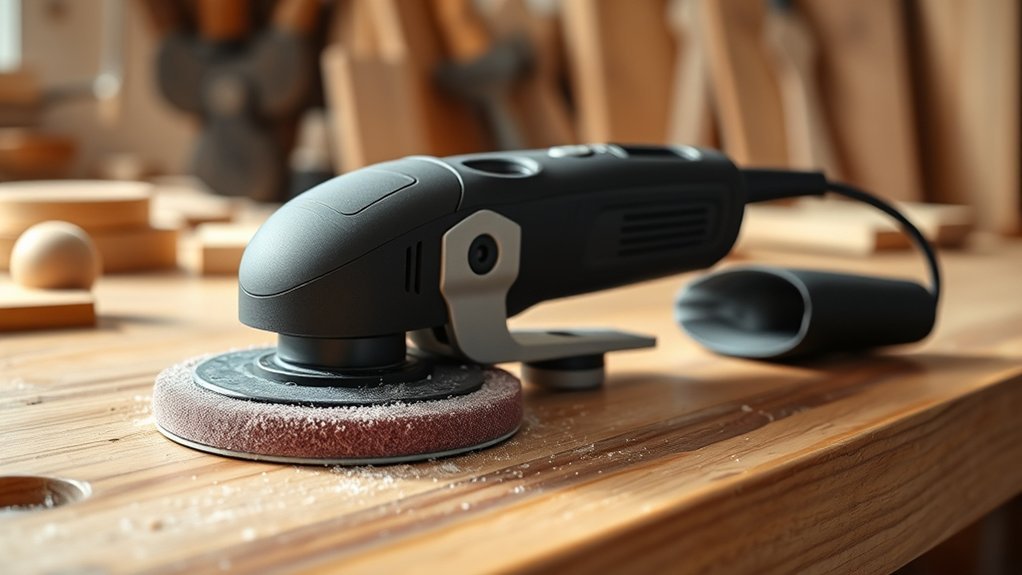
Where does a hook and loop orbital sander excel in your workshop? Its versatility and efficient dust collection make it ideal for precision tasks. You’ll find it particularly effective in these projects:
- Edge rounding on furniture or cabinetry, where controlled abrasion smooths corners without damaging surfaces.
- Surface preparation for finishing, ensuring uniform texture for paint or varnish adherence.
- Refinishing wooden floors, where consistent sanding removes old finishes while minimizing dust dispersion.
- Automotive bodywork, smoothing primer layers with minimal swirl marks and efficient dust extraction.
Its hook and loop system allows quick abrasive changes, boosting productivity. The sander’s dust collection reduces airborne particles, improving visibility and health safety during extended use. Choosing this tool optimizes both finish quality and workspace cleanliness.
Frequently Asked Questions
Can a Hook and Loop Sander Be Used on Metal Surfaces?
Yes, you can use a hook and loop sander on metal surfaces, but avoid planning mistakes by selecting appropriate abrasive grits and practicing regular tool maintenance. This ensures optimal performance and prevents damage to both the sander and the metal.
What Safety Gear Is Recommended When Using an Orbital Sander?
Prioritize proper PPE: safety accessories like sturdy gloves, snug safety glasses, and a suitable dust mask shield your skin, sight, and lungs.
You’ll appreciate PPE importance, ensuring effective protection during orbital sander operation and debris disturbance.
How Do Hook and Loop Sanders Compare to Belt Sanders?
You’ll find hook sanders and loop sanders offer finer control and less aggressive material removal compared to belt sanders, making them ideal for delicate finishes. Belt sanders excel at rapid stock removal on large surfaces.
Are There Eco-Friendly Sanding Pad Options Available?
Imagine sanding with nature’s whisper. Yes, you can choose eco-friendly pads crafted from sustainable materials, recycled pads, and those featuring biodegradable backing.
All are engineered to reduce waste while maintaining optimal abrasion and durability during your projects.
Can Hook and Loop Sanders Be Used for Wet Sanding?
Yes, hook and loop feasibility for wet sanding exists, but you must exercise wet sanding cautions. Ensure pads are waterproof and secure, avoid motor water ingress, and clean regularly to maintain adhesion and prevent damage during wet sanding tasks.
Conclusion
So, if you’re into endless tape battles or glue residue art, skip the hook and loop orbital sander. But if you actually want efficient sanding with quick disc swaps, consistent grip, and less heat drama, this tool’s your best friend. It’s like Velcro for perfection—no more wrestling with pads or wasting time.
Embrace the tech-savvy way to smooth surfaces, and leave the prehistoric sanding struggles behind. Your projects—and your sanity—will thank you. When it comes to achieving flawless finishes with ease, a hook and loop orbital sander truly stands out as the ultimate solution.