You rely on tools that combine efficiency and precision, and the claw hammer fits that need perfectly. A claw hammer is designed for driving nails and removing them without damaging surfaces. It balances power with control to help you work effectively.
Understanding its components and how they work together can improve your technique and results. But what exactly sets a claw hammer apart from other hammers? How do you choose the right one for your projects?
What Is a Claw Hammer and How Does It Work
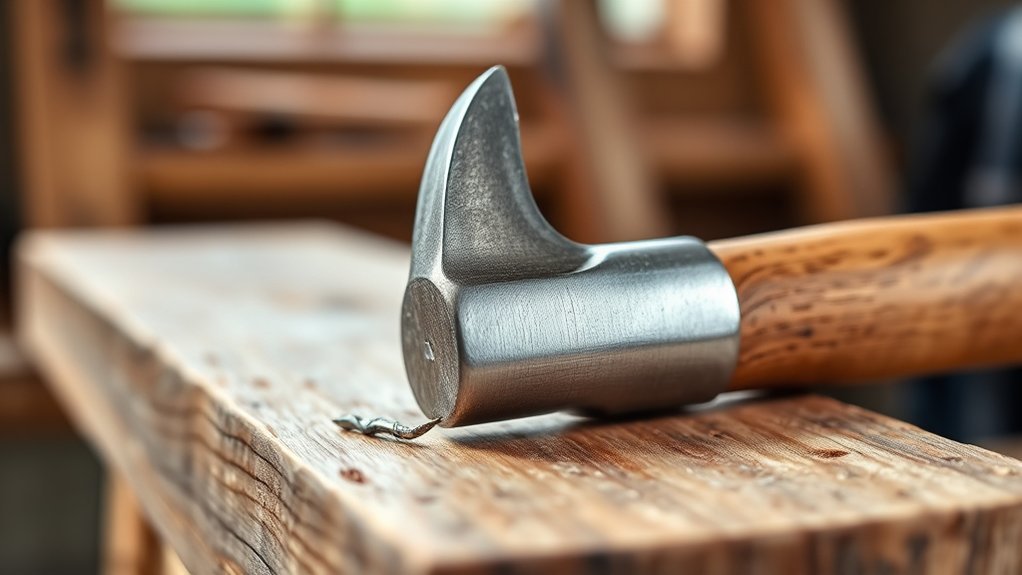
A claw hammer is a versatile hand tool designed primarily for driving and removing nails. When you use it, you’ll find the flat head efficiently drives framing nails into wood with controlled force.
On the opposite side, the curved claw acts as a powerful nail puller. You can wedge the claw under the head of a nail, then lever it out smoothly, minimizing surface damage. This dual functionality makes it essential for carpentry and construction tasks involving framing nails.
The claw’s curvature and leverage mechanics work together to maximize pulling force while reducing effort. Understanding how to apply pressure and angle the hammer correctly ensures you can drive and extract nails precisely and efficiently, making your work both faster and cleaner.
Parts of a Claw Hammer
Understanding the key parts of a claw hammer helps you use the tool more effectively and safely. The parts of a claw hammer are designed to perform specific functions, making your tasks easier and more precise.
Knowing each part of a claw hammer improves safety and precision in your projects.
- Head: The metal part that delivers force; one side is flat for driving nails, the other has a curved claw for removing them.
- Claw: The curved, forked end used for prying and extracting nails, providing leverage.
- Handle: Usually made from wood, fiberglass, or metal, it offers grip and control, absorbing shock during use.
Claw Hammer vs. Other Hammer Types
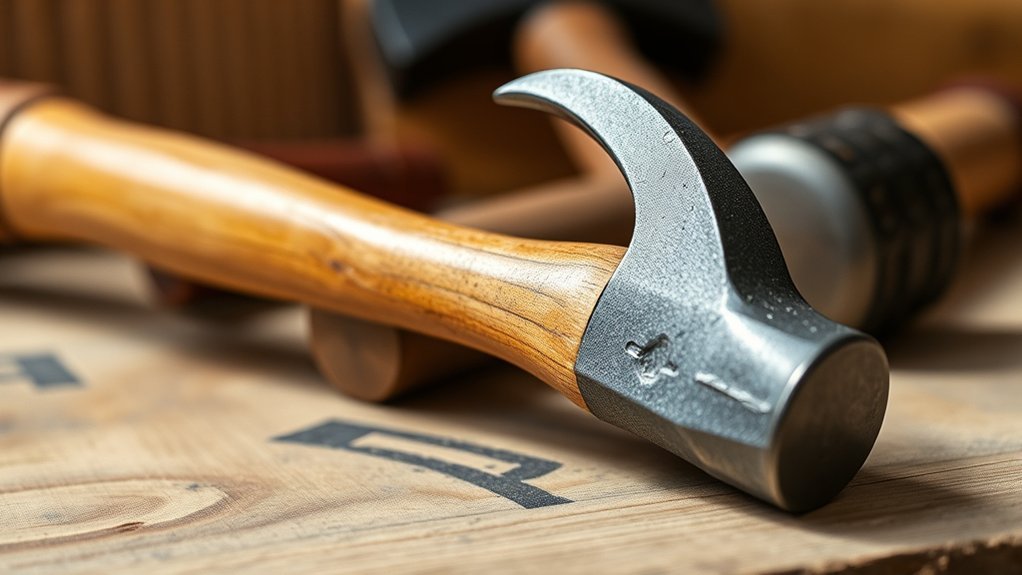
You’ll notice the claw hammer’s design combines a flat striking face with a curved, forked claw for nail removal, setting it apart from other types. Unlike sledgehammers or ball-peen hammers, the claw hammer balances driving power with prying capability.
Understanding these differences helps you choose the right tool for your specific task.
Claw Hammer Design Features
Claw hammers stand out for their dual-purpose head, combining a flat striking surface with a curved, forked claw designed for efficient nail removal. When you consider claw hammer design, you’ll notice the balance between functionality and comfort.
The hammer’s head is precisely engineered for both driving and pulling nails, while the ergonomic grip reduces hand fatigue during extended use. Key features include:
- Dual-function head: Flat face for striking and claw for leverage in nail extraction.
- Ergonomic grip: Often made from rubber or textured materials to enhance control and minimize vibration.
- Weight distribution: Balanced to optimize swing power without sacrificing accuracy or comfort.
These elements make the claw hammer a versatile tool tailored for carpentry and general household tasks.
Comparison With Other Hammers
How does a claw hammer measure up against other types of hammers regarding functionality and design? The claw hammer offers unmatched versatility, combining a flat striking face with a curved claw for nail removal.
This dual function positions it as an essential tool for general carpentry and household tasks. Compared to ball-peen hammers, which excel in metalworking, or sledgehammers designed for demolition, the claw hammer prioritizes precision and ease of nail extraction.
When selecting tools, consider that the claw hammer’s balanced weight and ergonomic handle provide efficient control, unlike lightweight tack hammers suited for delicate work. For tool selection guidance, the claw hammer’s versatility makes it a reliable first choice, but specialized hammers outperform it in niche applications requiring specific striking surfaces or force.
Common Claw Hammer Uses Around the Home
You’ll find the claw hammer excels at removing nails quickly and with minimal damage. It also allows you to drive nails with accuracy in various materials.
Plus, it’s effective for light demolition tasks around the house.
Removing Nails Easily
When prying out stubborn nails, the claw hammer’s curved, forked end provides the perfect leverage to pull them free with minimal effort. This design enhances removal efficiency by maximizing force application while minimizing damage to surrounding materials. For effective nail extraction, position the claw under the nail head, then gently rock the hammer back to loosen it.
To improve your nail removal technique, remember to:
- Use a wooden block as a fulcrum to increase leverage and protect surfaces
- Apply steady, controlled pressure to avoid bending the nail
- Work nails out gradually if deeply embedded or rusted
Driving Nails Precisely
After removing nails, the claw hammer’s other primary function is driving nails accurately into various materials. When driving nails, positioning the hammer’s face squarely on the nail head is critical for precision driving. This minimizes bending and ensures a secure hold.
You should start with light taps to set the nail, then increase force steadily while maintaining control. Proper grip and wrist motion contribute to consistent driving nails without damaging the material.
Using the claw hammer for precision driving also involves selecting the correct nail size for the task and material thickness. This technique prevents over-penetration or insufficient depth.
Mastering these steps allows you to drive nails efficiently and neatly, making the claw hammer an indispensable tool for home projects requiring accuracy.
Light Demolition Tasks
How can a claw hammer serve beyond driving nails? It excels in light demolition tasks, especially in tiny house projects where precision and control matter. The hammer’s metalworking traits, such as its balanced weight and curved claw, allow you to dismantle small structures without excessive force or damage.
Here are common demolition uses for your claw hammer:
- Prizing apart wooden panels or trim carefully without splintering.
- Removing old nails embedded in framing to reuse materials.
- Gently breaking down drywall sections or plaster for remodeling.
Using the claw hammer this way saves time and preserves materials, which is critical in compact spaces. Its design lets you apply leverage efficiently, making it a versatile tool for controlled deconstruction tasks around your home.
How to Choose the Right Claw Hammer
Why does choosing the right claw hammer matter? Selecting the appropriate tool impacts efficiency, safety, and results. When choosing claw hammer options, focus on weight, handle material, and head design.
Choosing the right claw hammer enhances efficiency, safety, and outcomes by focusing on weight, handle, and head design.
A 16-ounce hammer suits general tasks, balancing power with control. For precision, lighter models reduce fatigue. Handle materials like fiberglass offer vibration reduction, while wood provides traditional feel.
The claw’s curvature affects nail removal ease. Sharper curves offer better leverage. Consider two word discussion ideas such as “handle grip” and “head weight” to compare models effectively.
Match the hammer length, typically 12–16 inches, to your task for optimal leverage without sacrificing maneuverability. By evaluating these factors systematically, you ensure your claw hammer meets your specific needs, enhancing your workmanship and tool longevity.
Claw Hammer Safety and Effective Use
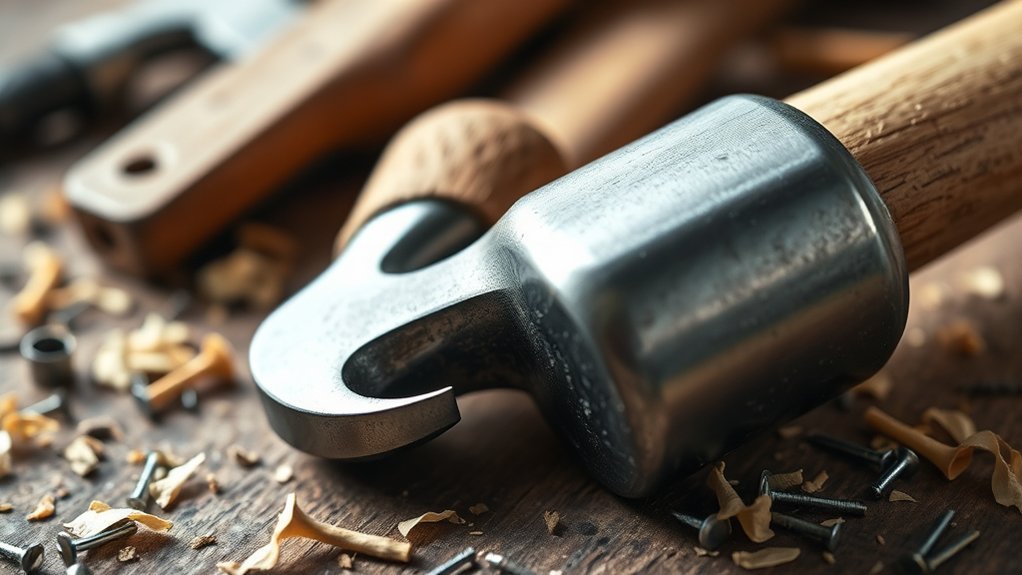
Where should you focus to use a claw hammer safely and effectively? Prioritize claw hammer ergonomics and adhere strictly to safety guidelines. Proper grip and stance reduce strain and improve control, preventing accidents.
Always inspect the hammer for defects before use. Follow these essential tips:
- Maintain a firm, comfortable grip near the end of the handle to maximize leverage and minimize fatigue.
- Position your body to allow a full, controlled swing, avoiding awkward angles that could cause slips or missed strikes.
- Use the claw end carefully when removing nails to avoid sudden jerks; apply steady pressure and keep fingers clear.
Maintaining Your Claw Hammer for Longevity
Longevity depends on consistent maintenance to keep your claw hammer in optimal condition. Start by regularly inspecting the handle and head for cracks or looseness; tighten or replace parts as needed.
Clean the hammer after use to remove dirt, sap, or rust buildup, which can degrade the materials over time. For blade maintenance, sharpen the claw edges carefully with a fine file to ensure efficient nail removal without damaging surfaces.
Apply a light coat of oil to the metal head to prevent corrosion, especially if you store your hammer in humid environments. Store your claw hammer in a dry, secure place to avoid unnecessary wear.
Frequently Asked Questions
Can a Claw Hammer Be Used for Metalworking?
You can’t effectively use a claw hammer for metalworking because it’s designed for woodworking tasks like pulling nails. For precision and durability, use specialized metal hammers, as claw hammers lack the necessary impact control and hardness.
What Is the History of the Claw Hammer?
You’ll find the claw hammer’s history tied to the evolution of hammer shapes, influenced by advancements in metallurgy. As metalworking improved, designs adapted for efficiency, combining striking and pulling functions essential for carpentry and construction tasks.
Are There Eco-Friendly Claw Hammer Options Available?
You’ll find eco-friendly options that hit the nail on the head, crafted from sustainable materials like bamboo handles and recycled steel heads. These choices reduce environmental impact without sacrificing durability or performance in your projects.
How Do Professional Carpenters Customize Their Claw Hammers?
You customize your claw hammer by adjusting the weight balance for better control and adding a custom grip to reduce vibration and enhance comfort.
These tweaks improve precision and reduce fatigue during extended use.
What Are Common Myths About Claw Hammer Use?
You might believe claw hammers are unsafe when used without gloves, but that’s a myth vs reality issue. The real safety misconceptions involve improper striking angles and ignoring regular tool maintenance, which increase injury risk.
Conclusion
You might think a claw hammer is just a basic tool, but its dual design actually makes your work more efficient and less damaging to surfaces. By understanding its parts and functions, you’ll drive and remove nails with precision and ease.
Choosing the right hammer and maintaining it properly ensures you get reliable performance for years. Embrace this essential tool, and you’ll handle carpentry and home projects more confidently and effectively.
Mastering the use of a claw hammer will greatly enhance your ability to complete tasks with accuracy and care.