When you abruptly stop or change the flow of water in a pipe, you create a sudden pressure surge known as water hammer. This water hammer effect isn’t caused by the water itself but by the rapid shift in momentum that generates shock waves through the plumbing system.
Factors like how quickly valves close or pumps stop, along with pipe materials and layout, influence the severity of these pressure spikes. Understanding these triggers reveals why water hammer can be so damaging.
What Is Water Hammer and How Does It Happen?
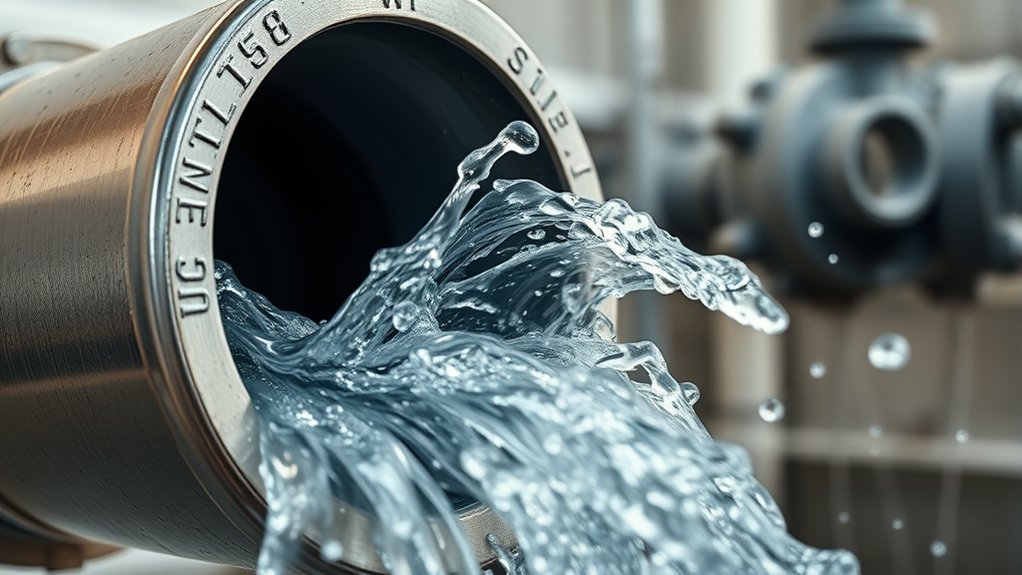
How exactly does water hammer occur? You experience water hammer when a sudden change in fluid velocity creates a pressure surge in a piping system. When you abruptly close a valve or stop a pump, the moving water’s momentum forces a rapid pressure increase.
This pressure spike generates shock waves that travel through the pipes, causing pipe surges that result in loud banging noises and potential pipe damage. The phenomenon is governed by the principles of fluid dynamics, where the kinetic energy of the flowing water converts into pressure energy.
You must understand that water hammer is not caused by the water itself, but by the abrupt interruption of its flow, making the management of pipe surges critical in designing safe plumbing systems.
Common Plumbing Actions That Cause Water Hammer
Sudden changes in water flow, such as those described earlier, often result from specific plumbing actions within a system. These plumbing actions create pressure waves leading to water hammer.
Key contributors include valve surge and pump shutdowns, both inducing rapid flow alterations.
| Plumbing Action | Effect on Water Flow |
|---|---|
| Fast valve closure | Sudden stoppage, causing surge |
| Pump shutdowns | Abrupt flow cessation |
| Quick valve opening | Instant flow increase |
| Sudden direction change | Pressure wave generation |
| Pipe obstruction | Flow restriction, pressure rise |
How Fast-Closing Valves Trigger Water Hammer Surges
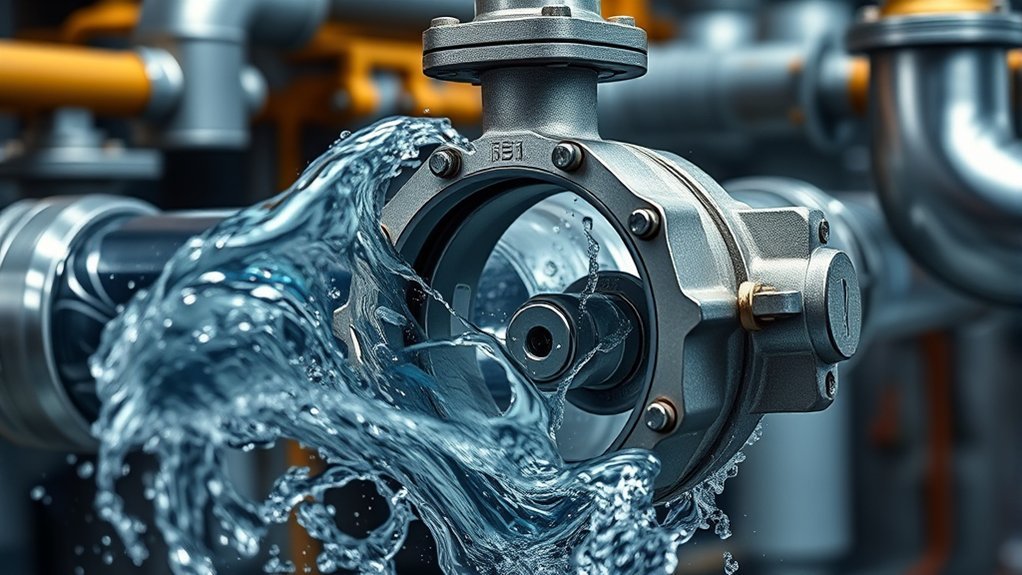
Why do fast-closing valves cause water hammer surges? When a valve closes rapidly, it abruptly stops fluid flow, generating a pressure wave known as a valve surge. This surge travels through the piping and can lead to damaging water hammer effects. The closing speeds play a critical role: faster closures produce more intense pressure spikes.
Key factors include:
- Sudden momentum change of moving fluid
- Inertia of water resisting rapid deceleration
- High closing speeds generating sharp pressure fronts
- Reflection of pressure waves at pipe fittings or bends
- Insufficient cushioning or air chambers to absorb surges
You must control valve closing rates and install protective devices to mitigate valve surge pressure and avoid structural damage from water hammer.
Why Sudden Pump Shutdowns Cause Water Hammer Noise
What happens inside your piping system when a pump abruptly stops? Sudden shutdowns cause an immediate halt in fluid velocity, generating a high-pressure surge known as a pump surge. This surge produces a rapid change in momentum, creating pressure waves that travel through the pipes.
These pressure waves collide with pipe walls and fittings, causing abrupt fluid deceleration. The noise causes stem from the rapid compression and expansion of fluid pockets, which induce vibrations within the piping system.
Consequently, the mechanical energy from these pump surges transforms into audible shock waves, commonly referred to as water hammer noise. Understanding this dynamic helps you anticipate and mitigate the damaging effects of sudden pump shutdowns on system integrity and sound levels.
How Pipe Materials and Layouts Affect Water Hammer Risk
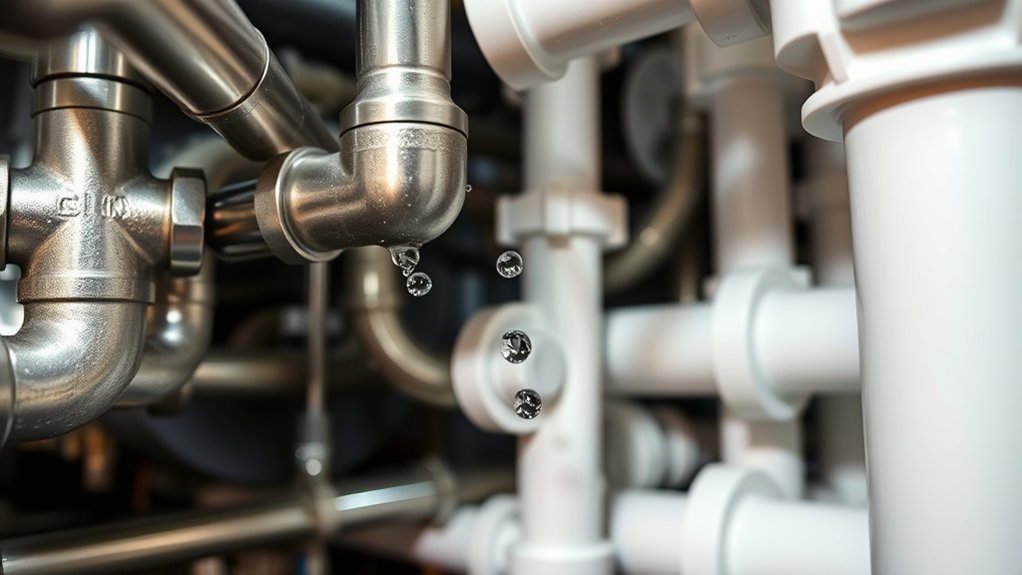
How do the materials and configurations of your piping system influence its susceptibility to water hammer? The choice of pipe materials and the design of pipe layouts directly impact pressure wave propagation and absorption. Rigid materials transmit shock waves more efficiently, increasing risk, while flexible materials dampen these effects.
Consider these factors:
- Material stiffness: Steel pipes amplify water hammer more than PVC or copper.
- Pipe diameter: Larger diameters increase water volume, intensifying pressure surges.
- Layout complexity: Sharp bends and sudden changes create turbulence, worsening hammer.
- Length of piping: Longer runs allow pressure waves to develop fully.
- Supports and restraints: Proper anchoring mitigates pipe movement and stress from hammer.
Frequently Asked Questions
Can Water Hammer Damage Household Appliances?
Yes, water hammer can damage your household appliances by causing sudden pressure spikes. If your pipe material isn’t durable enough, these pressure surges stress connections and components, reducing appliance lifespan and increasing repair costs considerably.
Are Water Hammer Arrestors Expensive to Install?
Think of installing expansion joints like cushioning a sudden car stop. Water hammer arrestors, designed to absorb pressure transients, typically cost $50-$200. Installation varies by system complexity, making them a precise, cost-effective safeguard for your pipes.
How Can I Prevent Water Hammer in Old Plumbing?
You can prevent water hammer in old plumbing by performing preventive maintenance, such as installing water hammer arrestors and checking for pipe aging.
Replace worn pipes and secure loose fittings to reduce shock waves and maintain system integrity.
Does Water Hammer Affect Hot and Cold Water Differently?
Yes, water hammer impacts hot and cold water differently because thermal expansion in hot water raises pressure fluctuations. You’ll notice increased water pressure spikes in hot lines, requiring more precise control to prevent pipe damage and noise.
Can Water Hammer Cause Leaks or Pipe Bursts?
Yes, water hammer can cause leaks or pipe bursts by stressing joints and fittings. To ensure leak prevention and pipe failure prevention, you need to install water hammer arrestors and maintain proper system pressure control.
Conclusion
You might think water hammer is just a noisy nuisance, but it’s actually a powerful force born from sudden changes in fluid flow—like a hammer striking your pipes.
By understanding how fast-closing valves, abrupt pump stops, and pipe designs contribute, you can better predict and prevent these pressure surges.
Don’t let hidden momentum turn your plumbing into a ticking time bomb; control the flow, and you control the chaos.
In the end, managing water hammer is key to protecting your pipes and ensuring a smooth, quiet system.