Skip to content
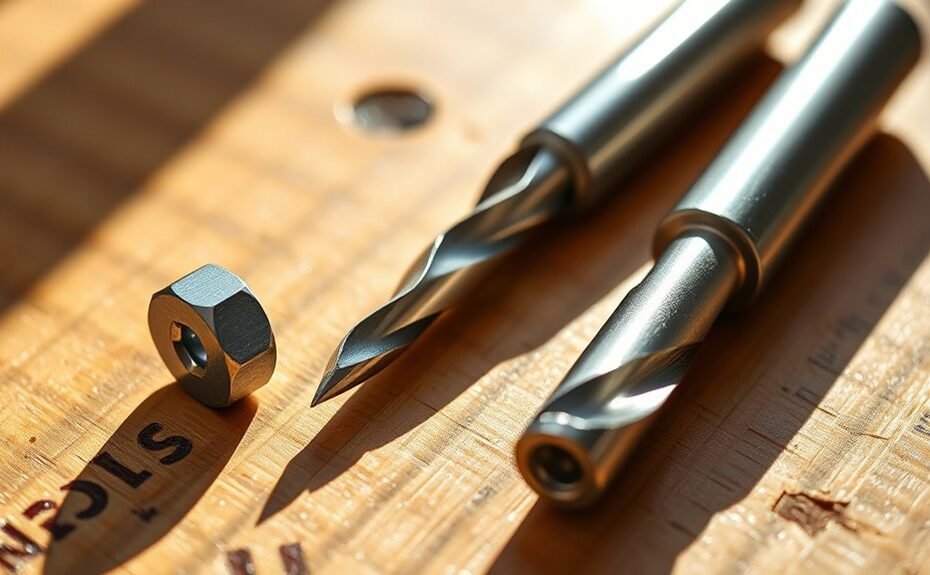
drill bit size for screws

What Size Drill Bit for 10 Screw

When you’re working with 10-gauge screws, picking the right drill bit size is essential to avoid splitting material or stripping threads. You’ll want a bit that matches the screw’s core diameter, but this varies depending on whether you’re drilling into wood or metal.

Using the wrong size can compromise your hold or damage your workpiece. Understanding the specific bit dimensions for different materials will save you time and effort on the job.

drill bit size recommendation

What Size Drill Bit for #8 Screw

Choosing the wrong drill bit size for a #8 screw can feel like trying to fit a square peg in a round hole. It’s frustrating and can ruin your project. You might think any bit close in size will do, but that small detail makes a big difference in preventing wood splits and ensuring a tight fit.

Let’s break down exactly which sizes work best for different materials, so you get it right the first time.

drill bit size for screws

What Size Drill Bit for a #14 Screw

When you’re working with a #14 screw, picking the right drill bit size is essential to get a tight fit without damaging the material. Too small, and you risk splitting or stripping; too large, and the screw won’t hold properly.

You’ll find that the ideal bit size varies depending on the material and screw length, but there’s a practical range you can rely on to get the job done efficiently. Let’s explore what that range looks like.

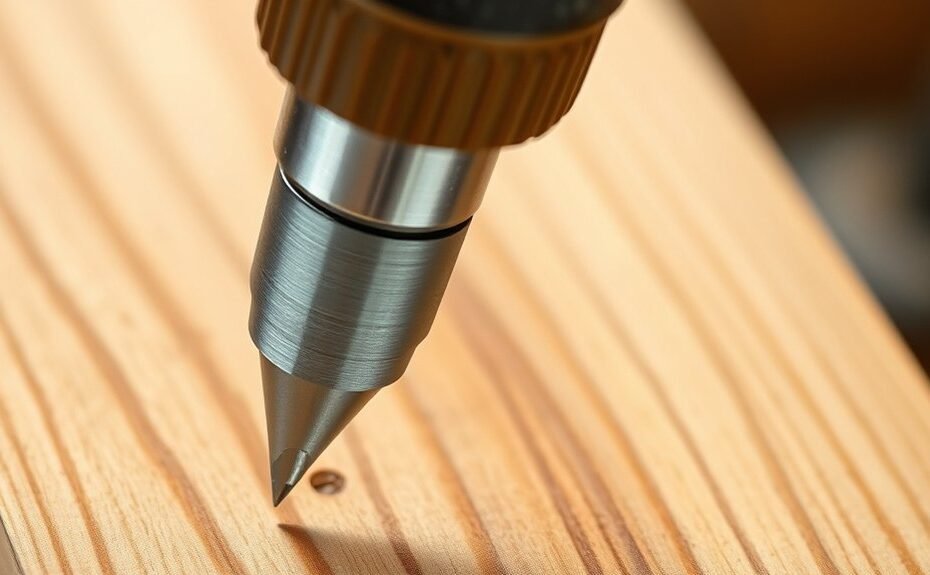
forstner bit in hand drill

Can You Use Forstner Bit in Hand Drill

Using a Forstner bit in a hand drill isn’t always the smoothest path to clean, precise holes. While it’s technically possible, the lack of stability and consistent pressure can cause the bit to drift or bind, compromising your work.

Understanding the limitations and best practices for this setup will help you decide when to proceed or opt for a more controlled tool. Let’s explore what makes Forstner bits perform best and how you can adapt your approach.