Taping hammer toes can provide notable relief by realigning the joint and reducing discomfort when done correctly. Hammer toe taping is a simple yet effective method to help improve toe positioning and alleviate pain. You’ll need to prepare your skin properly and apply tape with precise tension to avoid irritation while encouraging proper toe alignment.
Understanding the exact steps and common errors will help you maximize results and maintain comfort. Before you begin, it’s essential to grasp how taping works and what supplies to use for the best outcome. With the right approach, taping can be a valuable part of managing hammer toes.
What Causes Hammer Toes and Their Symptoms
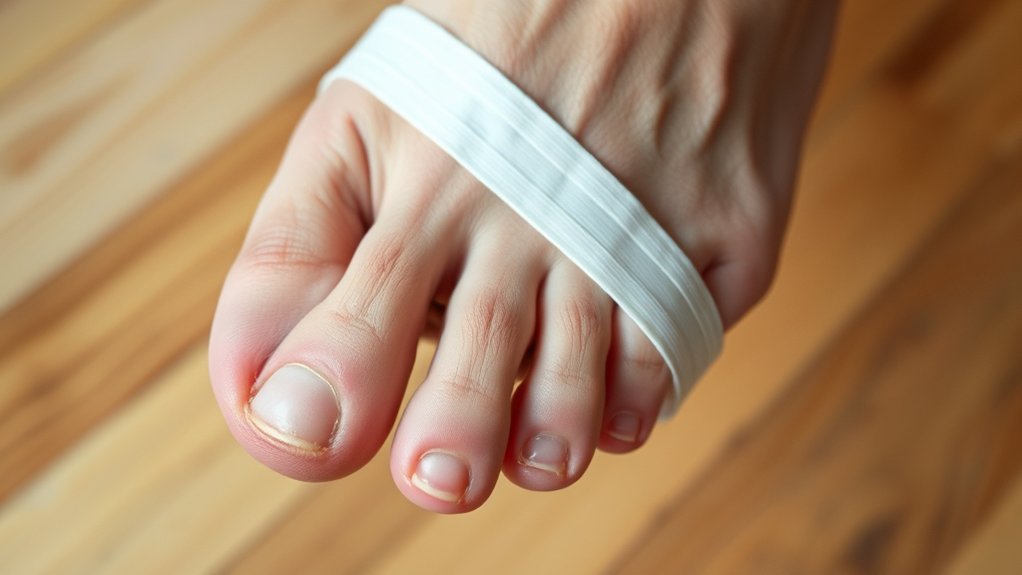
What triggers hammer toes, and how can you recognize their symptoms early? Hammer toes typically result from muscle imbalance, often due to ill-fitting footwear or underlying conditions like arthritis.
You may notice a bent middle joint in one or more toes, causing discomfort and corns. Early diagnosis relies on careful observation, and toe photography can help track deformity progression over time.
While hammer nutrition doesn’t directly cause the condition, maintaining a balanced diet supports muscle and joint health, potentially slowing symptom development. You might feel stiffness, pain during walking, or difficulty fitting shoes.
Promptly identifying these signs and addressing mechanical causes can prevent worsening deformity and reduce the need for invasive treatments. Monitoring symptoms with precise documentation ensures effective management strategies.
How Taping Relieves Pain and Realigns Hammer Toes
How exactly does taping help relieve pain and correct hammer toes? Taping applies targeted pressure that influences the toe’s alignment and reduces discomfort. By supporting the toe in a more natural position, tape limits abnormal bending and muscle strain.
Taping gently realigns the toe, easing pain by reducing strain and abnormal bending.
Here’s how tape impacts alignment and pain relief mechanisms:
- Stabilizes the proximal interphalangeal joint, preventing further deformity
- Reduces friction and pressure points that cause pain and corns
- Promotes proper tendon and ligament positioning to ease muscle tension
- Enhances proprioceptive feedback, encouraging corrective toe posture
Supplies You’ll Need to Tape Your Hammer Toes
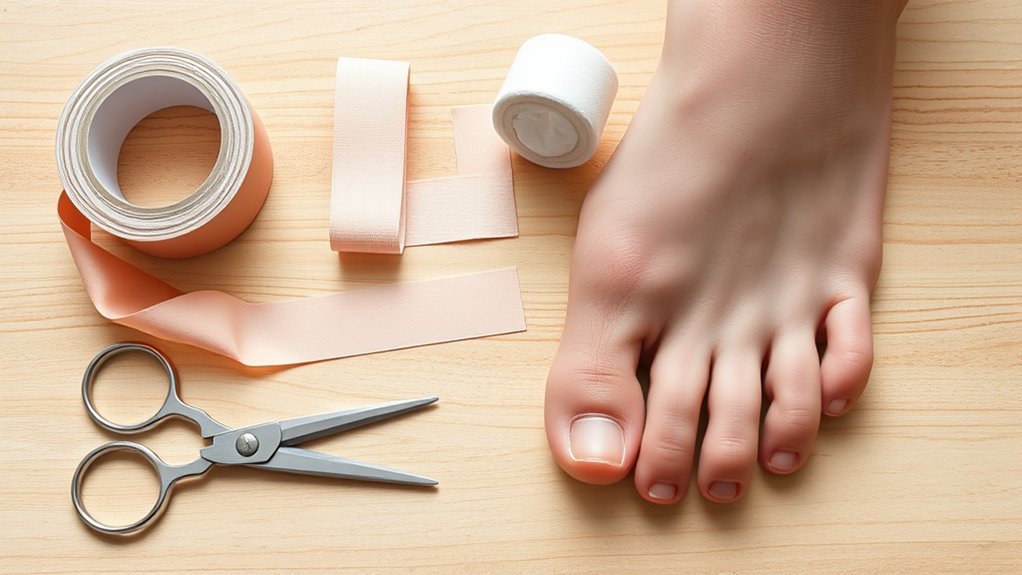
To effectively tape your hammer toes, you’ll need a few specific supplies designed to provide secure support without irritating the skin. Start with high-quality medical or athletic tape, preferably hypoallergenic, to avoid skin reactions.
Elastic tape offers flexibility, while rigid tape provides firm support; choose based on the tape techniques you plan to use. You’ll also want pre-wrap foam tape as a protective barrier between your skin and the tape, reducing friction and preventing blisters.
Scissors with a sharp edge ensure clean cuts for precise application. Additionally, having alcohol wipes on hand helps clean and dry the skin for better adhesion. These supplies are indispensable to implement tape techniques correctly, promoting effective realignment and pain relief for hammer toes while maintaining skin integrity.
How to Tape Hammer Toes at Home: Step-by-Step
When should you begin taping your hammer toes for optimal support? Start once you identify hammer toe causes like muscle imbalance or toe joint deformity impacting your foot anatomy. Follow these precise steps to tape effectively at home:
Clean and dry your feet thoroughly to ensure tape adhesion. Position the affected toe in a natural alignment, gently straightening it.
Apply a strip of medical tape around the base of the affected toe and the adjacent toe to provide stabilizing support. Add additional tape strips along the toe’s length to maintain proper alignment without restricting circulation.
This method corrects toe positioning, reduces pressure points, and supports weakened tendons, addressing symptoms caused by hammer toe deformity. Consistent, careful taping helps mitigate discomfort and prevents progression.
Tips for Keeping Hammer Toe Tape Secure and Comfortable
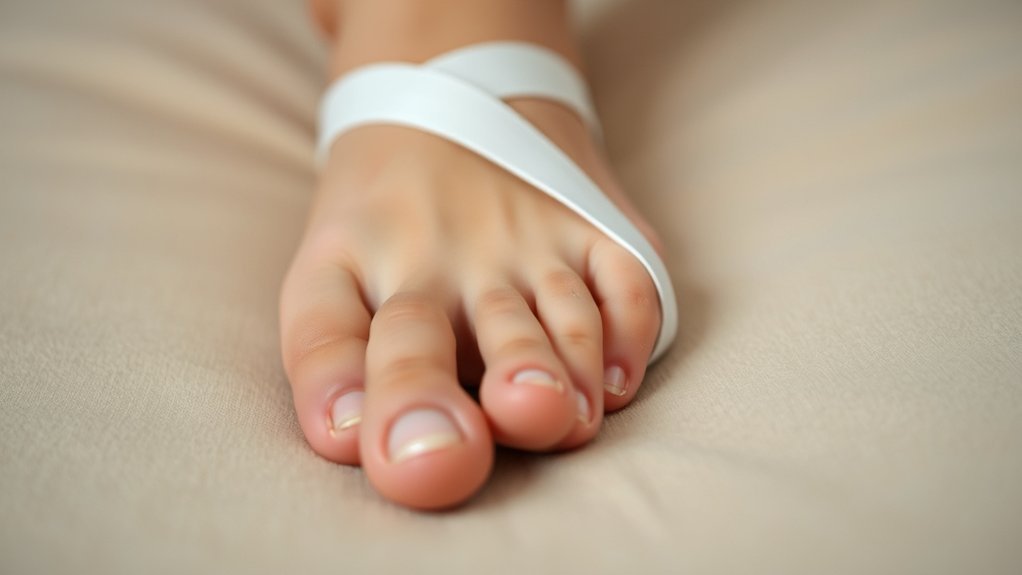
Ensuring your hammer toe tape stays secure and comfortable throughout the day requires attention to both application technique and material choice. To maximize tape comfort and secure placement, start with clean, dry skin to prevent slipping.
Choose hypoallergenic, breathable tape to reduce irritation. Apply tape with moderate tension. Too tight compromises circulation, too loose reduces effectiveness.
| Tip | Benefit |
|---|---|
| Use elastic tape | Enhances flexibility and comfort |
| Anchor tape securely | Prevents shifting during movement |
| Avoid wrinkles in tape | Reduces pressure points |
How to Know When to Adjust or Remove Your Tape?
How can you tell if your hammer toe tape needs adjustment or removal? Monitoring your toe’s response is essential for effective treatment. Use idea one: regularly check for signs that indicate the tape’s function is compromised or causing harm. Here are key indicators:
Regularly monitor your toe for signs that tape may need adjustment or removal for effective hammer toe care.
- Persistent numbness or tingling, signaling impaired circulation
- Increased redness or swelling around taped areas
- Tape loosening or slipping, reducing corrective support
- Noticeable skin irritation or breakdown beneath the tape
If you observe any of these symptoms, it’s time to either adjust the tape or remove it completely. Idea two suggests removing the tape before activities that cause excessive sweating or friction, which may degrade adhesive strength and comfort. Prompt action ensures you maintain therapeutic benefits without risking additional complications.
Avoid These Taping Mistakes for Better Results
Why do some taping attempts fail to relieve hammer toe discomfort? Common errors include improper tape placement and ignoring toe alignment, which reduce effectiveness. Using excessive tension can cut circulation, while insufficient support offers no correction.
Also, neglecting tape alternatives might limit your options for comfort and durability.
| Mistake | Impact |
|---|---|
| Incorrect placement | Misaligns toes, worsens pain |
| Excessive tension | Restricts blood flow |
| Insufficient support | Fails to correct alignment |
| Ignoring tape alternatives | Limits comfort & wearability |
| Over-taping | Causes skin irritation |
Avoid these pitfalls to improve outcomes and maintain proper toe alignment during taping.
Other Home Remedies to Support Hammer Toe Taping
To enhance the effectiveness of hammer toe taping, you should incorporate targeted stretching exercises that improve joint flexibility. Choosing proper footwear with ample toe room reduces pressure and supports alignment correction.
Additionally, applying ice therapy can minimize inflammation and discomfort, aiding your overall treatment plan.
Stretching Exercises Benefits
Incorporating targeted stretching exercises substantially enhances the effectiveness of hammer toe taping by improving joint flexibility and muscle balance. The stretching benefits specifically address muscular tightness and joint stiffness, which are common contributors to hammer toe deformities.
By increasing toe flexibility, you reduce tension on the tendons, promoting better alignment and comfort. Consider adding these exercises to your routine:
- Toe curls and extensions to mobilize interphalangeal joints
- Towel scrunches to strengthen intrinsic foot muscles
- Achilles tendon stretches to relieve forefoot pressure
- Marble pickups to enhance fine motor control and dexterity
Regularly performing these stretches supports the corrective tape’s function by maintaining joint range of motion and preventing further contracture, ultimately optimizing your hammer toe management at home.
Proper Footwear Choices
How does your choice of footwear influence the success of hammer toe taping? Selecting shoes with a wide toe box and adequate depth prevents compression of taped toes, maintaining proper alignment.
Footwear should provide firm arch support to complement shortfoot exercises, which strengthen intrinsic foot muscles and improve stability. Avoid high heels or narrow shoes, as they exacerbate toe deformities and reduce taping effectiveness.
Incorporate custom shoe inserts designed to redistribute pressure evenly across the foot, reducing strain on affected toes. These inserts support the metatarsal heads, enhancing comfort during daily activities and promoting healing.
Proper footwear combined with taping and targeted exercises creates a comprehensive approach, maximizing correction potential and minimizing pain associated with hammer toes.
Ice Therapy Advantages
Why should you include ice therapy alongside hammer toe taping? Ice therapy complements taping by targeting inflammation and providing pain relief, enhancing overall treatment effectiveness.
When you apply ice therapy, you constrict blood vessels, reducing swelling around the affected toe and minimizing discomfort.
Incorporate ice therapy by:
- Applying ice packs for 15-20 minutes post-activity to reduce inflammation
- Using a barrier (cloth) between skin and ice to prevent frostbite
- Repeating sessions 2-3 times daily for optimal pain relief
- Avoiding direct ice contact to maintain tissue integrity
When to See a Doctor About Your Hammer Toes?
When should you consider seeing a doctor for your hammer toes? If you notice persistent pain, worsening deformity, or skin ulcers, medical evaluation is essential. Understanding hammer toe causes, such as muscle imbalance or ill-fitting footwear, helps in prevention, but professional advice ensures proper management when tape relief patterns no longer alleviate symptoms.
| Symptom | Severity Indicator | Action Required |
|---|---|---|
| Persistent toe pain | Moderate to severe | Schedule medical consultation |
| Toe deformity progression | Noticeable curvature | Seek specialist evaluation |
| Skin ulcers or calluses | Open wounds or infection | Immediate doctor visit |
| Difficulty wearing shoes | Increased discomfort | Consider professional advice |
| Tape relief patterns fail | No symptom improvement | Reassess treatment plan |
Seeing a doctor timely prevents complications and guides effective treatment.
Frequently Asked Questions
Can Hammer Toes Cause Complications During Pregnancy?
Yes, hammer toes can cause pregnancy complications by increasing foot pain and reducing mobility, which may affect your athletic performance.
Managing symptoms early helps maintain comfort and prevents worsening issues during pregnancy.
Are There Specific Shoes Designed for Hammer Toe Prevention?
Yes, specific shoe designs exist for hammer toe prevention. Prioritize two word discussion ideas like “toe box” and “arch support.”
These shoes feature a wide toe box and proper arch support to reduce toe pressure and deformity risk.
How Does Hammer Toe Taping Affect Athletic Performance?
Like a brace supporting a fragile bridge, hammer toe taping stabilizes your joint, reducing pain but may slightly limit toe flexion. This can affect athletic performance by altering balance and propulsion during intense movements.
Can Children Develop Hammer Toes, and Is Taping Safe for Them?
Yes, children can develop hammer toes due to biomechanical factors. When considering taping, you should prioritize safety considerations, ensuring gentle application and consulting a specialist.
This helps avoid impairing children’s development or causing discomfort.
Is Hammer Toe Taping Covered by Health Insurance?
You probably won’t find hammer toe taping covered by insurance, as coverage questions hinge on medical necessity and documented risk considerations.
Check your policy and consult a healthcare provider to understand if your treatment qualifies for reimbursement.
Conclusion
By taping your hammer toes correctly, you can reduce pain and gradually realign the joint, as seen in Jane’s case, who regained toe flexibility within weeks. Remember to use hypoallergenic tape and apply it with proper tension to avoid discomfort.
Combine taping with supportive footwear and toe exercises to enhance effectiveness. Monitor your toes regularly for any signs of irritation or numbness. Adjust or remove the tape as needed to maintain comfort.
If discomfort persists or worsens, consult a healthcare professional to explore further treatment options. Proper hammer toes taping is an important step in managing and improving this condition.