A palm sander is like the heartbeat of your woodworking projects—when it falters, everything slows down. Fixing a palm sander starts with quickly diagnosing common problems like power failures, unusual vibrations, or uneven sanding. Knowing what to check first can save you time and frustration.
Before replacing any parts, it’s crucial to pinpoint whether the issue is electrical or mechanical. But where exactly should you begin?
How To Identify Common Palm Sander Issues Fast
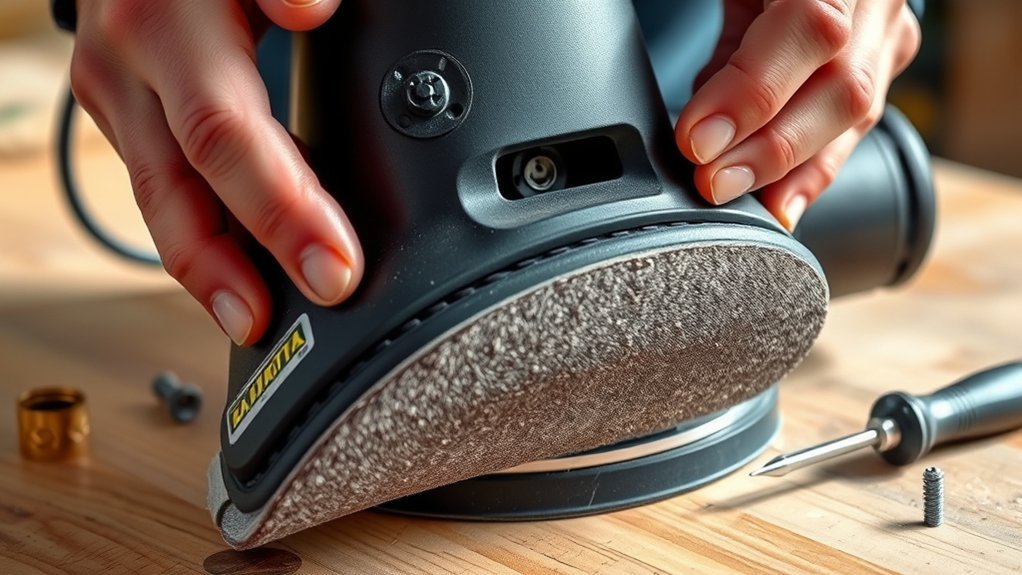
How can you quickly pinpoint what’s wrong with your palm sander? Start by identifying noise. Unusual sounds often signal specific problems. If you hear grinding or squealing, it usually means worn bearings or a misaligned motor.
Next, inspect belts carefully. A loose, cracked, or broken belt can cause poor sanding performance or no movement at all. Remove the cover to get a clear look at the belt’s condition and tension.
Also, check for dust buildup around moving parts, as it can cause overheating or jamming. Finally, test the sander without a sanding pad; if it runs smoothly, the issue might be with the pad or how it attaches.
This methodical approach saves time and gets your sander back to work faster.
Fix Power Issues When Your Palm Sander Won’t Start
When your palm sander won’t start, the first step is to check its power source. Addressing power issues promptly gets your tool running smoothly. Follow these steps:
- Inspect Cord: Look for cuts, frays, or loose connections in the power cord. A damaged cord can prevent electricity from reaching the motor.
- Test Outlet: Plug another device into the same outlet to ensure it’s supplying power. Sometimes, the problem is as simple as a tripped breaker or faulty outlet.
- Examine Switch: Use a multimeter to check if the power switch functions correctly. A broken switch can interrupt the electrical flow.
Fix Uneven Sanding And Vibration On Your Palm Sander
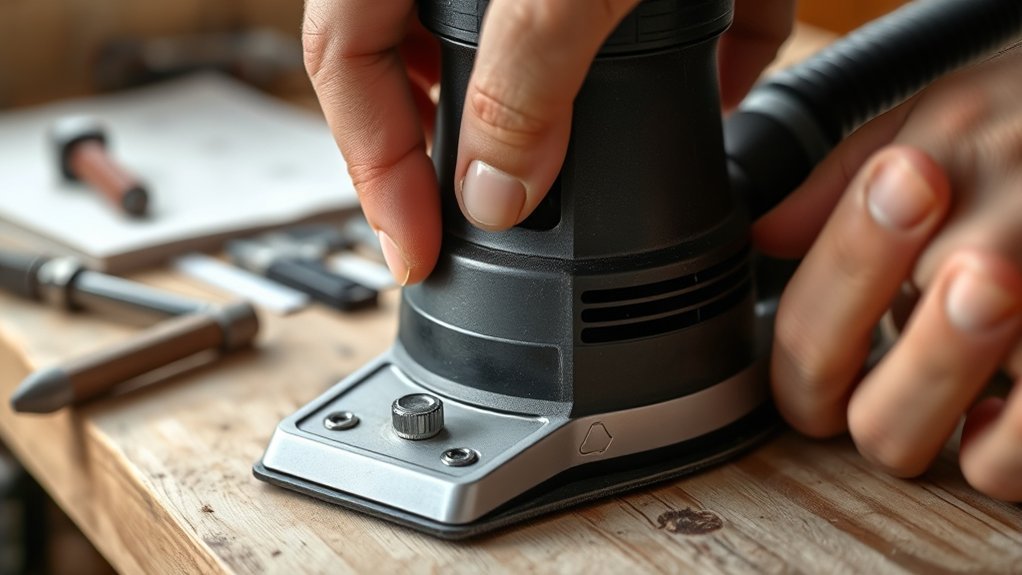
Why does your palm sander produce uneven sanding or excessive vibration? Often, the problem lies in improper sanding pad alignment or debris trapped between the pad and the sanding surface.
First, unplug your sander and check the sanding pad for damage or warping; replace it if necessary. Next, clean the pad and the base plate thoroughly to remove any grit causing stray vibration.
Uneven sanding can also result from loose screws or an unbalanced motor, so tighten any loose parts carefully. Avoid assuming unrelated topics like electrical faults if the issue is mechanical.
How To Replace Worn Parts On Your Palm Sander
Wondering which parts of your palm sander need replacement to keep it running smoothly? Start by inspecting these critical components:
- Sanding Pad: Over time, the pad wears out, causing uneven sanding. Perform a worn pad replacement by removing the old pad and securing a new one firmly to maintain consistent contact with the surface.
- Dust Collection System: Dust buildup clogs the collection port, reducing efficiency. Clean or replace filters and check for blockages to restore proper dust collection fixes.
- Carbon Brushes: These wear down with use, causing motor issues. Remove the brush covers, replace worn brushes, and ensure they move freely.
Keep Your Palm Sander Running Strong: Maintenance Tips
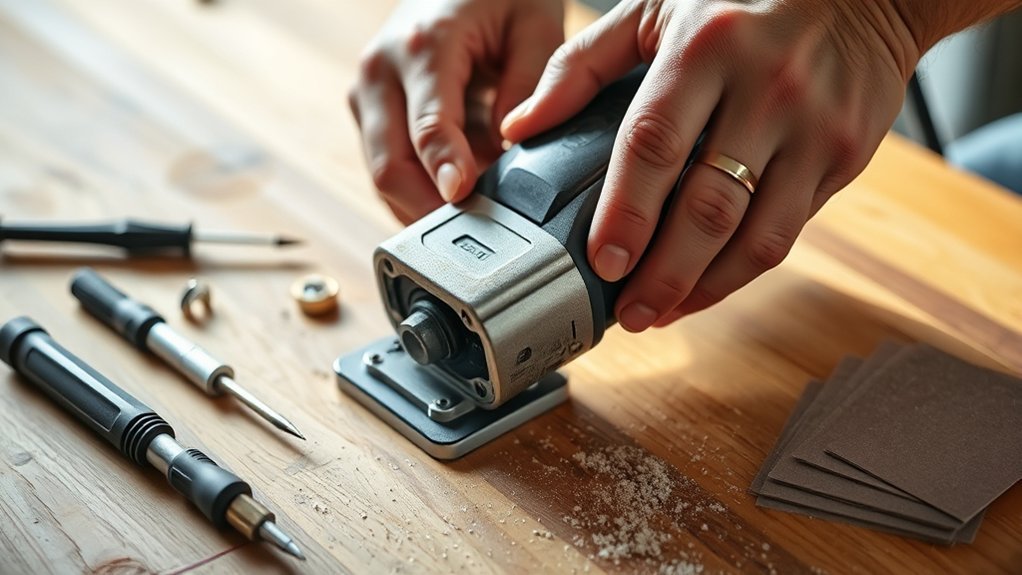
How often should you perform maintenance on your palm sander to keep it working efficiently? Regularly, ideally after every few uses, especially if you’re working very fast or on tough materials.
Start by cleaning dust and debris from vents and moving parts to prevent overheating and wear. Check the sanding pad for damage and replace it if worn to maintain smooth operation.
Lubricate moving components sparingly to avoid buildup. Inspect power cords and switches to ensure tool safety. Replace any frayed cords immediately.
Store your sander in a dry place to avoid rust and electrical issues. By staying proactive with these maintenance steps, you’ll extend your sander’s life and keep it running strong, preventing unexpected breakdowns and ensuring safe, efficient sanding every time.
Frequently Asked Questions
What Type of Sandpaper Grit Is Best for Different Materials?
You’ll want coarse paper grit (40-60) for rough wood, medium grit (80-120) for smoothing, and fine grit (150-220) for finishing.
Keep dust control in mind by using sanders with built-in vacuums or sanding with a mask.
Can I Use a Palm Sander for Polishing Surfaces?
You can polish surfaces with a palm sander, but it’s like using a hammer for nails, which can be risky. Polish concerns like uneven shine arise. Consider alternative tools like a buffer for smoother, more controlled polishing results.
How Do I Safely Dispose of Used Sandpaper?
You should dispose of abrasive waste by placing used sandpaper in regular trash, as recycling options are limited. Check local guidelines for special disposal programs, but avoid burning or dumping it to prevent environmental harm and safety risks.
Are Cordless Palm Sanders as Effective as Corded Ones?
Cordless vs corded palm sanders differ mainly in power and runtime. You’ll find corded models more consistent, while cordless ones offer portability but depend on battery life. This can limit continuous use during big projects.
What Are Common Safety Precautions When Using a Palm Sander?
You should wear safety goggles, a dust mask, and hearing protection. Keep your workspace clean and well-ventilated.
Regular tool maintenance ensures safe operation. Always unplug the sander before changing pads or inspecting for damage.
Conclusion
Just like a well-tuned engine keeps a classic car running smoothly, your palm sander thrives on regular care and timely fixes. By quickly diagnosing issues, tackling power problems, and addressing vibration or wear, you’ll keep your tool working like new.
Don’t wait for small troubles to become big headaches—stay proactive with maintenance and part replacement. With these steps, you’ll master your palm sander and get flawless results every time. Maintaining and repairing your palm sander ensures it delivers optimal performance whenever you need it.