If you think renting an electric sander is a hassle, think again. You can actually get access to a variety of professional-grade sanders without buying one outright. Whether you need an orbital, belt, or detail sander, many hardware stores offer flexible rental options that fit different project needs and budgets.
But before you rush out, there are a few important things you’ll want to consider first.
Can You Rent an Electric Sander?
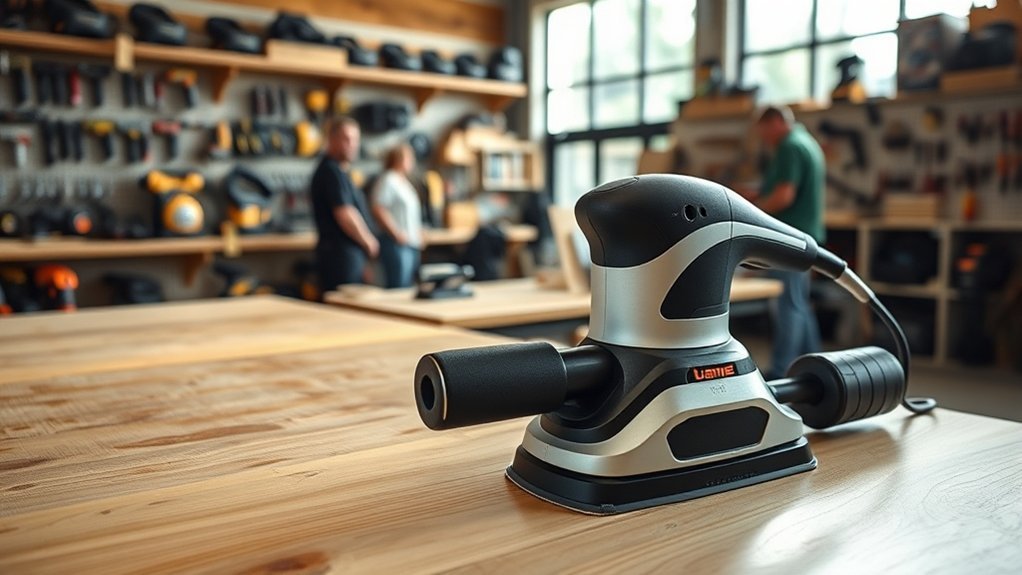
Wondering if you can rent an electric sander? The answer is yes, many hardware stores and tool rental services offer electric sanders for rent. This option is practical if you need the tool for a short project without the expense of buying one.
When searching, avoid getting sidetracked by irrelevant topics or unrelated ideas like purchasing accessories or unrelated power tools. Focus on the rental process itself, such as availability, rental fees, and duration.
Renting allows you to use professional-grade equipment without long-term commitment. Just make sure you understand the rental terms and inspect the sander before taking it home. This way, you’ll get the right tool for your job without unnecessary hassle or confusion.
Types of Sanders You Can Rent
You’ll find several common electric sander models available to rent, like orbital and belt sanders, which handle most general sanding tasks.
If you need something for a specific job, specialty sanders such as detail or drum sanders are often available too. Knowing which type fits your project will help you choose the right tool quickly.
Common Electric Sander Models
Several common electric sander models are available for rent, each designed to tackle specific sanding tasks efficiently. You’ll often find orbital sanders, which are great for smooth finishes on furniture or walls during home improvement projects.
Belt sanders are best if you need to remove rough material quickly from large surfaces like floors or decks. Detail sanders excel in tight corners and intricate areas.
Renting these tools means you can complete your project without the cost of buying and maintaining them. Just remember, proper tool maintenance, like cleaning and checking pads before and after use, ensures safe operation and extends the tool’s life.
Choosing the right sander model for your task will save time and help you achieve professional results.
Specialty Sanders Available
Beyond the common models, specialty sanders offer targeted solutions for unique sanding challenges. When renting, avoid irrelevant tangents or unrelated topics. Focus on what suits your project best.
Here are four specialty sanders you can rent:
- Detail Sander – Perfect for tight corners and intricate woodwork where larger sanders can’t reach.
- Belt Sander – Ideal for heavy material removal on large flat surfaces like floors or tabletops.
- Orbital Sander – Great for finishing work, providing a smooth, swirl-free surface.
- Disc Sander – Useful for shaping edges and sanding curves with precision.
Choosing the right specialty sander ensures efficient work without wasting time on irrelevant tangents about tools you won’t use. Stick to these options for effective results.
What to Check Before Renting an Electric Sander
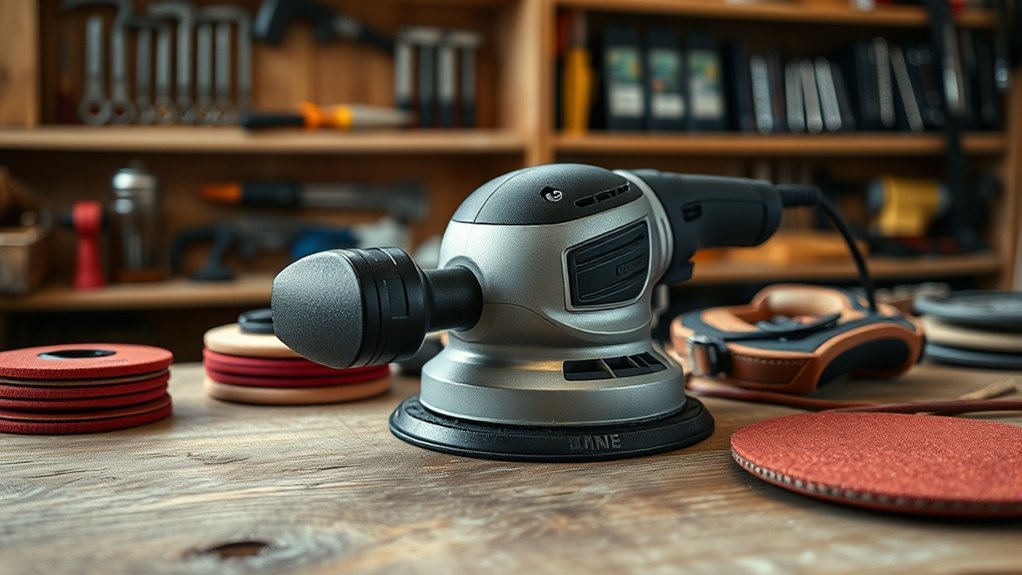
Before renting an electric sander, make sure you understand the tool’s specifications and condition. Check its power rating, speed settings, and compatibility with your project’s materials. Avoid getting distracted by irrelevant topics or unrelated concepts like brand popularity or unnecessary features that don’t affect your specific needs.
Inspect the sander for visible damage, worn sanding pads, and test its operation if possible. Confirm the availability of the right sandpaper grit and attachments. Also, ensure the rental comes with clear instructions and safety guidelines.
How Much Does Renting an Electric Sander Cost?
You can expect to pay daily rental rates that vary depending on the sander type and location, with weekly discounts often available if you need it longer.
Be sure to ask about any additional fees, such as deposits or late charges, that might apply. Knowing these costs upfront helps you budget effectively for your project.
Daily Rental Rates
How much does it cost to rent an electric sander each day? Rental rates typically vary based on the sander type and features like non sanding attachments or noise control options. Here’s what you can expect:
- Basic orbital sanders rent for around $15-$25 daily.
- More advanced belt or finishing sanders with noise control run about $30-$50 per day.
- Specialty non sanding tools, such as detail or palm sanders, usually cost $20-$35 daily.
- Some rental shops include sandpaper or dust collection systems for an extra fee, so check before you rent.
Knowing these daily rental rates helps you budget efficiently for your project without overspending on tools you only need temporarily.
Weekly Rental Discounts
Wondering if renting an electric sander for a week can save you money? It usually does. Most rental shops offer weekly rental discounts, often charging the equivalent of about three to four daily rates for a full week.
This means you get more use for less money, especially if your project spans several days. While it’s tempting to follow irrelevant trends like renting the newest model every time, focus instead on the tool’s reliability and suitability.
Sticking to proper rental etiquette, returning the sander clean and on time, helps you avoid penalties that might negate any savings. In short, weekly discounts make renting an electric sander cost-effective, but only if you plan carefully and respect the rental terms.
Additional Fees Explained
What extra costs should you expect when renting an electric sander? While you might wonder, “Can you rent an electric sander without surprises?” it’s important to understand pricing transparency. Rental fees often come with additional charges that affect your total cost.
Here are four common extra fees to watch for:
- Deposit: Many places require a refundable security deposit.
- Late Return Fees: Returning the sander past the due date usually incurs penalties.
- Damage Fees: If the sander gets damaged, you might pay repair or replacement costs.
- Cleaning Fees: Some rentals charge for cleaning if the tool is returned dirty.
Knowing these helps you plan your budget and avoid unexpected expenses when renting an electric sander.
How to Choose the Right Electric Sander for Your Project
Selecting the right electric sander starts with understanding your project’s specific needs. Identify the surface you’ll work on and the finish you want. Orbital sanders are great for smooth finishes on flat surfaces, while belt sanders handle heavy material removal.
Don’t get distracted by irrelevant topics like unrelated concepts about unrelated tools. Focus on what matters for sanding. Consider the sander’s power, speed settings, and dust collection system to match your task.
Also, think about comfort and ease of use, especially if you’ll be sanding for extended periods. Choosing wisely ensures efficiency and quality results, saving you time and effort. Keep your project goals clear to avoid confusion and pick the tool that fits perfectly.
Renting vs Buying an Electric Sander: Pros and Cons
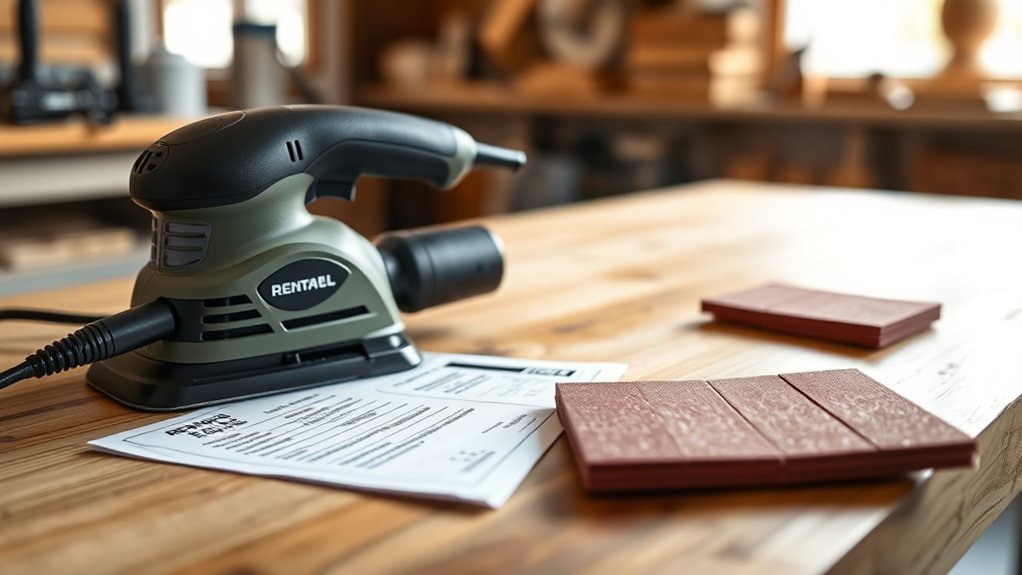
How do you decide whether to rent or buy an electric sander? It boils down to your project’s needs and budget. Consider these factors:
- Rental Economics: Renting saves money if you need the sander for a short time or one-off project.
- Tool Longevity: Buying pays off if you plan frequent use, as quality sanders last years.
- Storage Space: Renting avoids clutter if you lack room to store the tool.
- Maintenance Hassle: When you rent, maintenance is the rental company’s responsibility; buying means you handle upkeep.
If your sanding needs are occasional, renting offers flexibility and lower upfront costs. But if you foresee regular use, buying an electric sander provides better value and reliability over time. Weigh these pros and cons to make the smartest choice for your project.
Tips for Using a Rented Electric Sander Safely
Before you start sanding, take a few key safety steps to protect yourself and guarantee smooth operation. Always wear proper safety gear, including goggles, a dust mask, and ear protection. Use a steady sanding technique. Apply even pressure and keep the sander moving to avoid gouges. Check the sander for damage before use and secure your workpiece firmly.
| Safety Gear | Sanding Technique | Additional Tips |
|---|---|---|
| Goggles | Apply even pressure | Inspect the sander first |
| Dust mask | Keep sander moving | Secure workpiece |
| Ear protection | Avoid staying in one spot | Unplug when changing pads |
| Gloves | Use correct sandpaper | Work in a ventilated area |
| Durable clothing | Sand along the grain | Follow rental guidelines |
How to Prepare Your Workspace for Sanding
Before you start sanding, clear and organize your workspace to give yourself plenty of room to move safely.
Cover nearby surfaces and furniture with drop cloths or plastic to protect them from dust and debris. Taking these simple steps will help you work more efficiently and keep your area clean.
Clear and Organize Area
Where should you start when getting ready to sand? First, focus on clearing and organizing your workspace to avoid distractions or irrelevant topic tangents that could slow you down.
Here’s how to do it efficiently:
- Remove any clutter, tools, or materials unrelated to your sanding project.
- Sweep or vacuum the floor to eliminate dust and debris that can interfere with your work.
- Arrange your sanding equipment and accessories within easy reach for smooth workflow.
- Create a designated spot for scrap wood or discarded materials to prevent an unrelated discussion with messiness.
Protect Surfaces and Furniture
How can you prevent accidental damage while sanding? Start by covering nearby surfaces and furniture with drop cloths or plastic sheeting to shield them from dust and debris. Use painter’s tape to secure coverings and protect edges.
Move fragile or valuable items out of the workspace entirely. Keep household tools handy to clean dust regularly, preventing buildup on floors and surfaces. Make sure your workspace is well-ventilated and free from flammable materials, considering legal considerations regarding dust control and disposal in your area.
Taking these steps will protect your belongings and ensure you comply with local regulations. By preparing your workspace carefully, you’ll safeguard your home and make sanding more efficient and less stressful.
How to Return Your Rented Electric Sander Without Extra Fees
Wondering how to avoid extra fees when returning your rented electric sander? Follow these simple steps to ensure a smooth return without surprises:
- Clean the sander thoroughly. Remove dust and debris to prevent cleaning charges.
- Inspect for damage. Check for wear or damage; minor issues can be fixed before return.
- Return on time. Late returns often incur extra fees, so plan accordingly.
- Ask about recycling or long term storage options. If you’re unsure how to recycle parts or need to store the sander, the rental service can provide guidance.
Troubleshooting Common Issues With Rented Sanders
After returning your rented electric sander properly, you might still encounter some common issues while using it. If the sander isn’t working efficiently, check for worn or clogged sanding pads, especially when smoothing surfaces with insulation gaps. Replace pads as needed to maintain consistent performance.
If the sander vibrates excessively, ensure it’s securely assembled and the sanding pad is balanced. When working on older walls, be cautious of lead paint; always test the area first and follow safety guidelines to avoid health hazards.
If the sander stalls or overheats, allow it to cool down and inspect the power cord for damage. Addressing these issues promptly will help you complete your project safely and effectively without damaging your rented tool.
Frequently Asked Questions
Can You Rent an Electric Sander for Commercial Use?
Yes, you can rent an electric sander for commercial use. Just check the rental terms carefully and ensure you meet insurance requirements to protect yourself and the equipment during your project.
Are There Age Restrictions for Renting an Electric Sander?
Yes, age restrictions usually apply for renting an electric sander, often requiring you to be at least 18. Rental availability depends on the store’s policies, so always check their specific age requirements before renting.
Do Rental Shops Offer Delivery and Pick-Up Services?
About 65% of rental shops offer delivery options, so you can save time. They also provide flexible pickup scheduling, letting you choose when to return tools.
Check with your local shop for specific services.
Is Insurance Required When Renting an Electric Sander?
You usually don’t need insurance requirements for renting an electric sander, but liability coverage is wise. It protects you if accidents happen.
Always prioritize experience safety to avoid damage or injury during use.
Can You Extend the Rental Period After the Initial Agreement?
You can stretch your rental like a rubber band by requesting an extension period. Just review the rental terms carefully and contact the provider before your initial agreement ends to ensure a smooth, hassle-free continuation.
Conclusion
You can rent an electric sander to save money, try different models, and complete your project efficiently. Before renting, inspect the tool, understand the terms, and choose the right sander for your needs.
While using it, follow safety tips, prepare your workspace, and troubleshoot issues promptly. Finally, return the sander on time, keep it clean, and avoid extra fees.
Renting lets you work smarter, work safer, and work smarter again. Overall, renting an electric sander is a practical choice for any DIY or professional project.