Over two million players worldwide engage with Warhammer, a game that combines strategic tabletop combat with intricate model building. Warhammer is not just a game; it’s an immersive hobby where you command detailed armies, each with unique stats and rich backstories.
You don’t just move pieces on a board; you bring your miniatures to life through strategy and creativity. Understanding how these elements interact can deepen your appreciation for the game’s complexity.
But what exactly defines Warhammer, and why has it maintained such enduring appeal? Exploring its unique blend of storytelling, strategy, and craftsmanship reveals why it continues to captivate players around the globe.
What Is Warhammer?
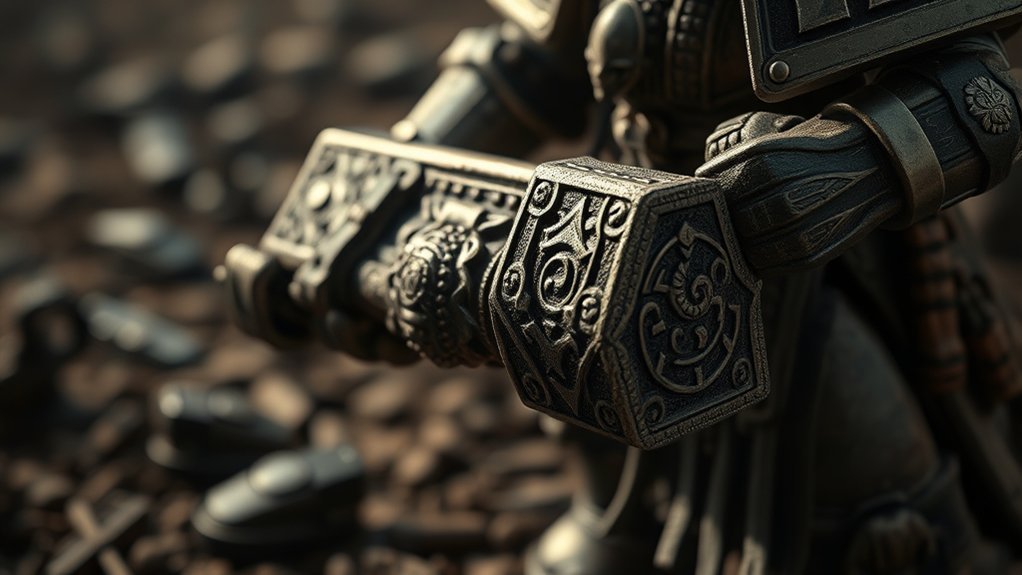
What exactly is Warhammer? It’s a tabletop miniature wargame that combines strategic gameplay with detailed model building. You’ll engage in battles using intricately designed miniatures, some of which are among the oldest models in the hobby, reflecting decades of evolving craftsmanship.
Understanding hobby economics is crucial here; the cost of acquiring, assembling, and painting these models can be significant, influencing your commitment and approach. The game balances tactical depth with the artistic aspect of model customization.
Warhammer’s structure encourages you to invest time and resources not just in gameplay but also in the hobby’s creative side. This dual focus creates a unique experience where strategy and artistry intersect, often shaping how you engage with the community and the broader hobby economy.
Why Is Warhammer So Popular?
You’ll find Warhammer’s popularity stems from its rich lore and immersive storytelling that draw you into complex worlds. The engaging process of painting detailed miniatures adds a creative, hands-on dimension that keeps players invested.
Plus, the game’s strategic depth challenges your tactical skills, making each match both stimulating and rewarding.
Rich Lore And Storytelling
Although many tabletop games offer immersive experiences, Warhammer stands out due to its exceptionally rich lore and intricate storytelling. You engage with a detailed lore chronology that spans millennia, providing depth and context to every battle and faction interaction.
This chronology aids your understanding of faction diplomacy, highlighting alliances and rivalries that evolve dynamically. Warhammer’s narrative complexity invites you to analyze strategies beyond gameplay, enriching your overall experience.
| Element | Description |
|---|---|
| Lore Chronology | Timelines connecting events |
| Faction Diplomacy | Political alliances and conflicts |
| Character Depth | Backstories driving motivations |
| Worldbuilding | Detailed environments and cultures |
| Narrative Arcs | Overarching storylines |
This structure ensures you grasp both macro and micro elements, enhancing engagement.
Engaging Miniature Painting
How does miniature painting contribute to Warhammer’s enduring appeal? It allows you to personalize each figure, turning plastic models into unique works of art. You engage deeply with the hobby by mastering techniques like paint mixing, which helps you achieve custom colors and realistic shading.
This creative process enhances your connection to the game beyond just playing. Additionally, applying basing textures adds environmental context and depth, making each miniature visually striking on the tabletop. The tactile and artistic elements of painting provide a satisfying sense of accomplishment and immersion.
Strategic Gameplay Depth
Because Warhammer combines tactical decision-making with complex rule sets, it challenges you to think several moves ahead, much like a game of chess. The depth of strategic gameplay lies in your ability to adapt tactics evolution, responding dynamically to opponents’ maneuvers and shifting battlefield conditions.
You must anticipate consequences, optimize unit positioning, and manage resources efficiently. Furthermore, model maintenance plays a subtle but crucial role in sustaining competitive performance; well-maintained miniatures ensure accurate representation and smooth gameplay, preventing disruptions.
This combination of forward-thinking strategy and attention to detail keeps the experience engaging and rewarding. By continuously refining your approach and caring for your models, you engage in a nuanced process that elevates Warhammer beyond simple wargaming into a sophisticated, evolving challenge that appeals to both casual and serious players.
Exploring Warhammer Fantasy and Sci-Fi Settings
Where do the Warhammer universes take you? They immerse you in two distinct realms: the grimdark fantasy of Warhammer Fantasy and the dystopian sci-fi expanse of Warhammer 40,000.
Each setting balances drama vs. strategy uniquely. Fantasy focuses on mythic narratives and faction rivalries, while 40K emphasizes tactical warfare amid relentless conflict.
You’ll notice the interplay of lore vs. mechanics shaping your experience; rich backstories inform unit design and tactical options, ensuring gameplay reflects the universe’s tone.
This duality demands you appreciate both narrative depth and strategic complexity. Understanding how these elements coexist lets you engage fully with the settings, appreciating the tension between storytelling and gameplay mechanics that defines Warhammer’s enduring appeal.
How Warhammer Tabletop Gameplay Works
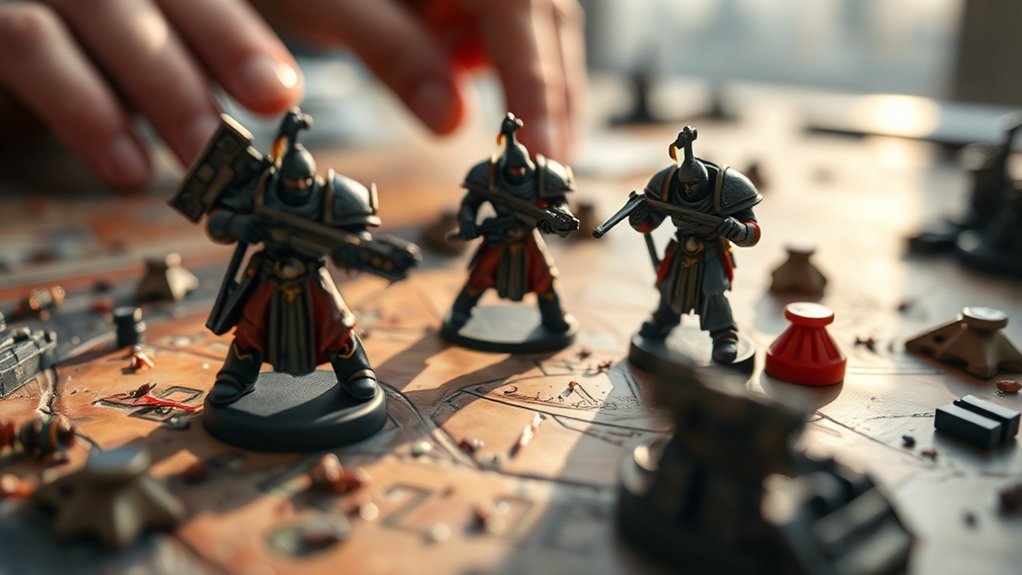
You start by assembling your army within a points limit, ensuring balanced unit choices. Each turn follows a structured sequence of phases, including movement, shooting, and melee combat.
Understanding these core mechanics is essential to mastering Warhammer’s tactical gameplay.
Core Gameplay Mechanics
Warhammer’s core gameplay mechanics revolve around strategic movement, dice-driven combat resolution, and unit management on a tabletop battlefield. You’ll position units carefully, considering terrain and unit abilities, to gain tactical advantages.
Combat outcomes rely heavily on dice rolls, introducing controlled randomness that requires you to adapt your strategy dynamically. Managing your units involves tracking stats, wounds, and special rules, which adds complexity and depth.
These strategy quirks demand that you balance risk with reward while anticipating your opponent’s moves. Additionally, hobby logistics like assembling and painting miniatures, organizing your army, and maintaining game materials play a crucial role in preparing for battles.
Mastering these elements ensures you engage fully with Warhammer’s intricate gameplay, where strategic planning and adaptive execution lead to success.
Turn Structure Overview
How does the turn structure in Warhammer shape the flow of gameplay? The turn structure dictates battle pacing by dividing each player’s actions into distinct phases, ensuring a balanced and strategic progression.
You’ll alternate between phases like movement, shooting, and assault, which keeps gameplay dynamic and tactical. Each phase influences your decisions and how you respond to your opponent’s moves.
| Phase | Purpose | Key Actions |
|---|---|---|
| Movement | Position units strategically | Move models on the board |
| Psychic | Cast spells | Use psychic powers |
| Shooting | Attack at range | Resolve ranged attacks |
| Charge | Close distance for combat | Declare charges |
| Fight | Engage in melee combat | Resolve close combat |
Understanding this turn structure sharpens your control over battle pacing.
Army Building Basics
The turn structure sets the stage for tactical decisions, but assembling your army defines the tools and capabilities at your disposal. When building your Warhammer force, you must balance unit roles, point costs, and synergy to avoid strategy gaps that opponents can exploit.
Effective army building requires attention to hobby logistics as well, since painting, assembling, and transporting your models impact your gameplay readiness.
Key considerations include:
- Faction selection: Each faction has unique strengths and weaknesses influencing strategic options.
- Unit composition: Mixing infantry, cavalry, and artillery creates versatile responses to threats.
- Point allocation: Staying within agreed limits demands prioritizing impactful units over quantity.
Mastering these basics sharpens your competitive edge and ensures your army performs reliably within the game’s tactical framework.
Building and Customizing Your Warhammer Army
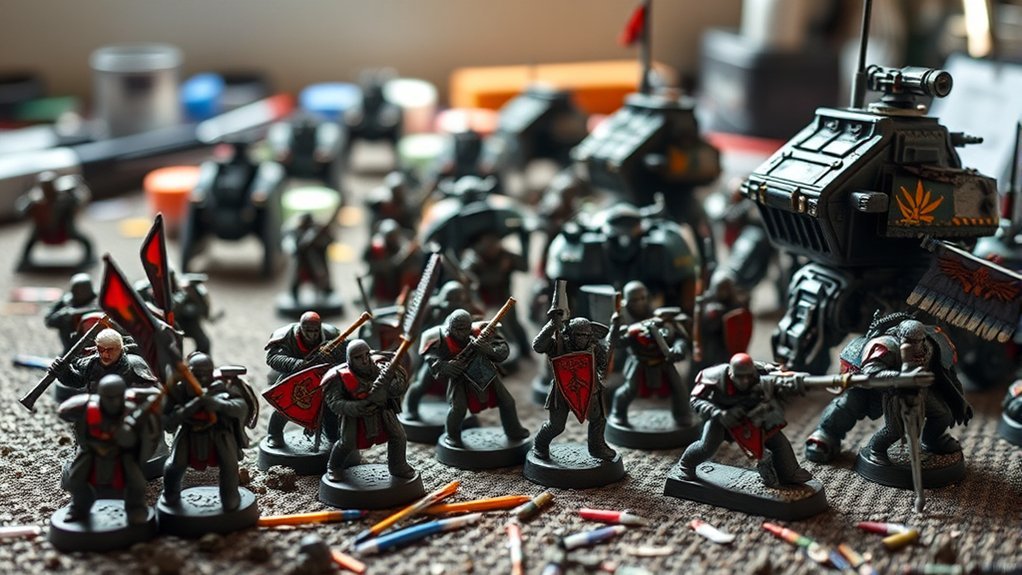
Where do you begin when building and customizing your Warhammer army? Start by understanding the army’s lore, as it shapes unit choices and thematic coherence. Familiarize yourself with the background stories and faction traits to create a force that’s both effective and narratively consistent.
Next, assess hobby logistics. Consider model availability, cost, and time investment required for assembly and upkeep. Prioritize units that align with your preferred playstyle while fitting within point limits.
Customization extends to selecting wargear options and special rules that enhance strategic diversity. Balance competitive viability with personal preference to maintain engagement.
Painting Warhammer Miniatures: Tips and Techniques
Why does painting Warhammer miniatures demand both skill and patience? You need steady hands and a keen eye to apply precise painting techniques that bring each figure to life. Achieving realistic textures and depth requires layering colors carefully and mastering fine details.
To enhance your miniatures effectively, focus on:
- Utilizing base coats and washes to build foundational tones
- Applying dry brushing for subtle highlights and raised edges
- Incorporating weathering effects to simulate battle damage and wear
These methods demand discipline; rushing can result in smudges or uneven coverage. By analyzing your approach and practicing consistently, you’ll develop control and an understanding of how light interacts with surfaces. This analytical process ensures your miniatures stand out with authenticity and artistic quality.
Winning Strategies for Warhammer Battles
Mastering the art of painting your Warhammer miniatures enhances not only their appearance but also your appreciation for the intricate details of each unit on the battlefield. Equally critical is understanding winning strategies, which hinge on careful warhammer logistics, efficiently managing unit placement and resources.
You must balance aggressive maneuvers with defensive tactics, adapting to your opponent’s moves. Observing tournament etiquette ensures a respectful, fair competition environment, which benefits all players.
| Strategy Aspect | Key Considerations |
|---|---|
| Unit Deployment | Position units to maximize terrain advantage |
| Resource Management | Allocate command points strategically |
| Opponent Analysis | Predict moves based on opponent’s army type |
Joining the Global Warhammer Community
How can you deepen your engagement with Warhammer beyond the battlefield? Understanding what is involved in joining the global Warhammer community clarifies why active participation is beneficial. The community offers more than just gameplay; it provides social connection, knowledge exchange, and creative inspiration.
To integrate effectively, consider attending local and international Warhammer events to network and learn firsthand strategies. Participate in online forums and social media groups to share insights and stay updated on game developments. Engage in collaborative hobby projects like painting and modeling to enhance your skills and appreciation of the craft.
Knowing what is available and why community involvement is pivotal helps you maximize your Warhammer experience, making it a comprehensive hobby rather than just a game.
Frequently Asked Questions
Where Can I Buy Official Warhammer Merchandise?
You can find official Warhammer merchandise by buying directly from Games Workshop’s website or their physical stores.
For merchandise sourcing, also check authorized retailers and licensed online platforms to ensure authenticity and quality.
What Are the Best Online Forums for Warhammer Players?
Picture a vibrant battlefield where Warhammer forums like DakkaDakka and Bolter & Chainsword offer detailed painting tips and strategy debates.
You’ll find expert advice, community support, and in-depth discussions to sharpen your gameplay.
Are There Any Warhammer Video Games Available?
Yes, you’ll find numerous Warhammer video games across genres, from strategy to RPGs. Official merchandise availability often includes game bundles and collectibles, ensuring you access authentic content and enhance your Warhammer gaming experience effectively.
How Much Does Starting Warhammer Usually Cost?
Starting Warhammer usually costs around $150 to $200, symbolizing your gateway into a vast strategic domain. Official pricing varies by starter sets and expansions, so you’ll want to analyze options to optimize your investment effectively.
Can Warhammer Miniatures Be Used in Other Games?
Yes, you can use Warhammer miniatures in other games by learning how to convert them to fit different settings. However, you’ll need to carefully check rules compatibility to ensure smooth gameplay and balanced mechanics.
Conclusion
Now that you’ve uncovered Warhammer’s blend of strategy, creativity, and community, you’re ready to delve into its rich universe. Like a finely tuned machine, each piece—from army building to painting—works together to create an immersive experience.
Whether you’re drawn to the fantasy or sci-fi realms, mastering the gameplay and tactics will sharpen your skills. Embrace the challenge, and you’ll find Warhammer is more than a game—it’s a dynamic journey of endless possibilities.
In conclusion, Warhammer offers a unique combination of strategic depth and creative expression that keeps players engaged. This is what makes Warhammer truly special.