Did you know that nearly 25% of adults experience some form of toe deformity, with hammer toe being one of the most common? Hammer toe can cause discomfort and affect your mobility, but you can greatly reduce your risk by making informed choices about your footwear and daily habits.
Understanding the factors that contribute to hammer toe and taking proactive steps can help maintain proper toe alignment and comfort. Let’s explore how you can protect your feet before problems arise.
Why Hammer Toe Happens and Why You Should Prevent It
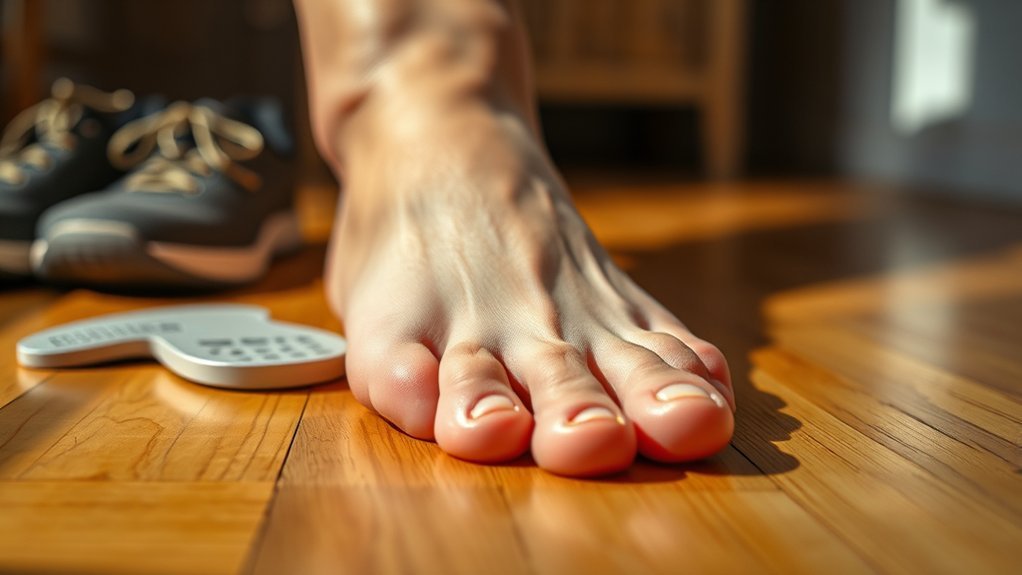
Understanding why hammer toe develops can help you take effective steps to prevent it. Hammer toe occurs when the muscles and tendons controlling your toe become imbalanced, leading to a permanent bend in the middle joint.
Activities like ballet training and frequently wearing high heels significantly contribute to this condition. Ballet training demands repetitive toe flexion and pointed foot positions, which strain toe joints. High heels force your toes into cramped, unnatural positions, increasing pressure and deformity risk.
Preventing hammer toe is crucial because the condition causes pain, difficulty walking, and can lead to corns or calluses. If left untreated, it may require surgery to correct. By recognizing these causes, you can better appreciate the importance of early intervention and lifestyle adjustments to protect your foot health.
How to Choose the Right Shoes to Prevent Hammer Toe
To prevent hammer toe, you need shoes with a proper toe box that gives your toes enough room to move comfortably. Look for a supportive sole that cushions your feet and maintains alignment.
Choosing the right fit and structure helps reduce pressure and prevents deformities.
Proper Toe Box Fit
Why does the fit of your shoe’s toe box matter so much in preventing hammer toe? A properly fitting toe box allows your toes to lie flat and move naturally, reducing pressure that can cause deformities.
When selecting shoes, ensure the toe box is wide and tall enough to avoid cramping your toes. This space prevents excessive bending and friction, common contributors to hammer toe development.
Additionally, look for shoes with built-in toe padding or the option to add custom padding for extra comfort. Proper toe box fit also supports bunion relief by minimizing irritation and pressure on the sides of your feet.
Prioritizing these factors helps maintain healthy toe alignment and prevents the progression of hammer toe. Choose wisely to protect your foot health.
Supportive Sole Selection
How do you know if a shoe’s sole provides the right support to prevent hammer toe? First, look for soles that offer firm arch support and cushioning to reduce pressure on your toes. Avoid overly flexible or flat soles, as they fail to stabilize your foot properly.
Shoes with shock-absorbing soles help minimize impact, which is crucial if you spend time walking or standing. When selecting footwear, consider shoes that feel as comfortable as a session using toe massagers or a visit to nail salons, places where foot care is prioritized.
Proper sole support aligns your toes naturally, preventing abnormal bending. Always test shoes by walking briefly to ensure they maintain comfort and stability, keeping hammer toe risks at bay.
Daily Footwear Habits That Help Prevent Hammer Toe
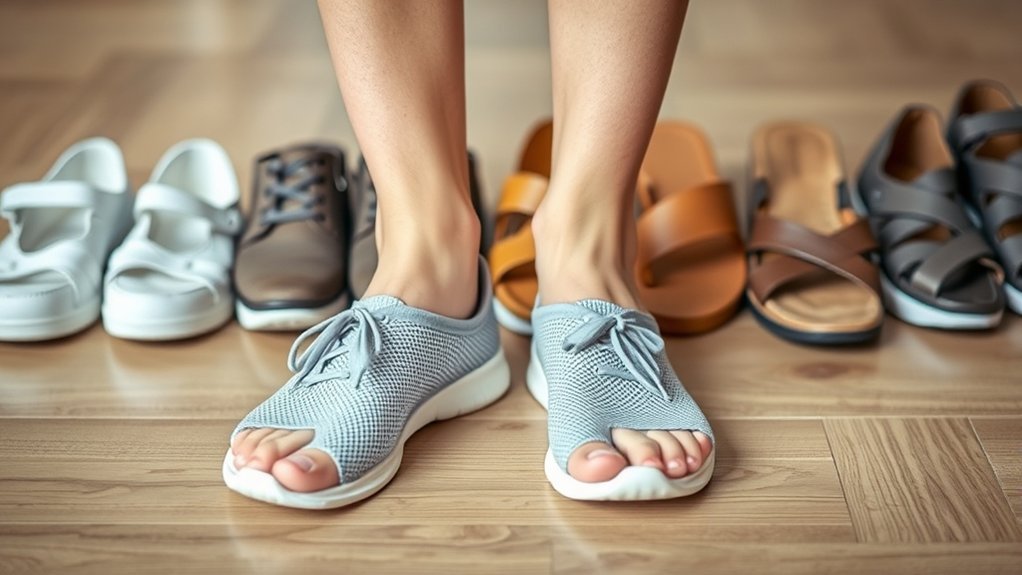
To prevent hammer toe, you need to develop daily footwear habits that prioritize proper shoe fit and supportive soles. Wearing shoes that fit well reduces pressure on your toes, while supportive soles help maintain foot alignment.
Making these choices consistently can protect your feet from developing deformities over time.
Choose Proper Shoe Fit
When selecting shoes, what you choose can substantially impact the health of your toes. Improper fit often contributes to hammer toe development, so prioritize comfort and support.
To ensure proper fit, follow these steps:
- Measure your feet regularly, as size can change over time.
- Choose shoes with breathable, flexible shoe materials that reduce pressure on toes.
- Avoid high heel height; shoes with heels over two inches increase toe strain.
- Opt for wider toe boxes to prevent cramping and allow natural toe movement.
Opt For Supportive Soles
Selecting properly fitted shoes is just one part of maintaining healthy toes; the soles you choose play a significant role as well. Supportive soles provide the necessary cushioning and stability that protect your toe anatomy from undue stress.
When soles lack adequate support, your toes can experience abnormal pressure, contributing to deformities like hammer toe. Look for shoe materials that offer both firmness and flexibility, such as high-quality EVA foam or gel inserts, that conform to your foot’s natural contours without sacrificing durability.
Avoid overly rigid or thin soles, which fail to absorb shock and can exacerbate toe misalignment. By prioritizing supportive soles made from appropriate shoe materials, you help maintain the natural alignment and function of your toes, reducing the risk of developing hammer toe over time.
Simple Exercises to Keep Your Toes Flexible and Prevent Hammer Toe
How often do you give your toes a workout? Keeping your toes flexible is key to preventing hammer toe, especially when considering factors like toe length and proper nail care.
Try these simple exercises regularly:
Try these simple exercises regularly to keep your toes strong, flexible, and healthy.
- Toe curls: Pick up small objects with your toes to strengthen muscles and improve flexibility.
- Toe stretches: Gently pull each toe to stretch the tendons and ligaments.
- Towel scrunches: Place a towel on the floor and use your toes to scrunch it toward you.
- Marble pickups: Use your toes to pick up marbles and place them in a bowl to enhance dexterity.
Incorporate these exercises daily to maintain healthy toe alignment and reduce stiffness, supporting your overall foot health and preventing deformities like hammer toe.
When Should You Use Orthotic Inserts to Prevent Hammer Toe?
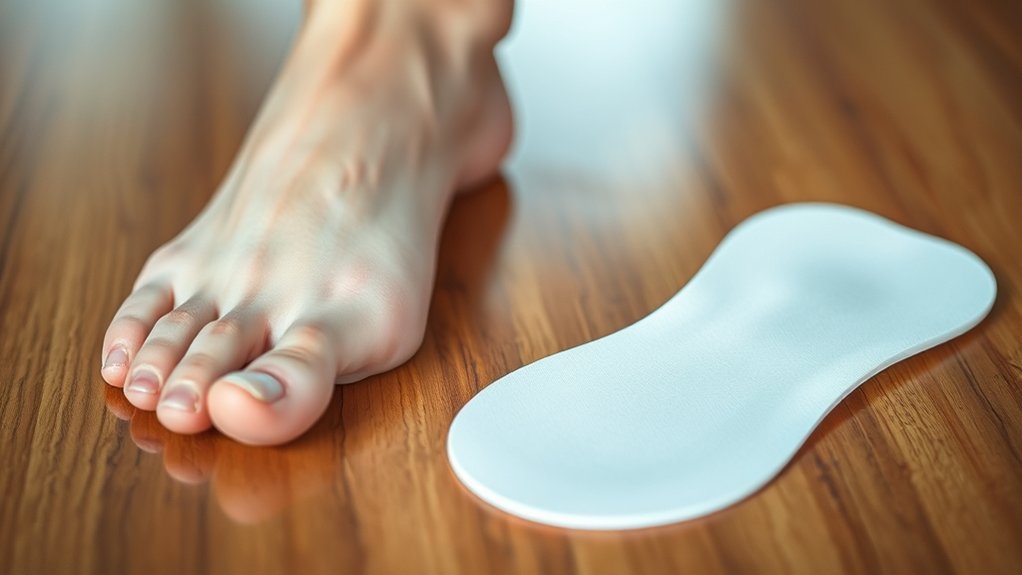
Why might you consider orthotic inserts as part of your strategy to prevent hammer toe? Orthotic timing plays a crucial role in maximizing their effectiveness. You should use orthotic inserts early, especially if you notice toe discomfort or mild deformities.
Introducing them at this stage supports proper toe alignment, redistributes pressure, and reduces strain on tendons. With a strong prevention focus, orthotics help halt progression before deformities worsen or become rigid.
Delaying orthotic use until severe symptoms appear limits their benefit and may require more invasive treatments. Consult a podiatrist to determine the right timing and type of insert tailored to your foot structure.
Foot Hygiene Tips to Prevent Hammer Toe Complications
Alongside using orthotic inserts early, maintaining proper foot hygiene plays a crucial role in preventing complications from hammer toe. Effective toe care minimizes infection risks and promotes overall foot health.
To optimize your foot hygiene routine:
- Wash your feet daily with mild soap and warm water, ensuring you clean between your toes.
- Dry your feet thoroughly, especially between the toes, to prevent fungal infections.
- Trim your toenails straight across to avoid ingrown nails that can exacerbate hammer toe issues.
- Inspect your feet regularly for signs of irritation, blisters, or sores and address any problems promptly.
Lifestyle Changes That Reduce Your Risk of Hammer Toe
When can simple adjustments in your daily habits make a significant difference in preventing hammer toe? By adopting mindful lifestyle changes, you can protect your toe aesthetics while staying aligned with fashion trends.
Wearing shoes with a wide toe box and avoiding high heels reduces pressure on your toes, preventing deformities. Regular foot exercises strengthen toe muscles, enhancing flexibility and preventing stiffness.
| Lifestyle Change | Benefit |
|---|---|
| Choose wide, comfortable shoes | Preserves toe alignment and aesthetics |
| Limit high heel use | Reduces toe pressure and risk |
| Perform toe stretches daily | Maintains flexibility and strength |
Incorporate these habits consistently to safeguard your feet’s health without compromising style. Prioritizing comfort in your fashion choices supports long-term toe health and prevents hammer toe development.
Warning Signs Your Hammer Toe Is Getting Worse
How can you tell if your hammer toe is worsening? Recognizing early warning signs helps you address the condition before it escalates. Avoid unrelated topic or out of scope discussion to stay focused on your toe’s health.
Watch for these key indicators:
- Increased toe stiffness or inability to straighten it.
- Persistent pain or discomfort that intensifies with movement.
- Development of corns or calluses on the affected toe due to friction.
- Noticeable swelling or redness around the toe joints.
If you observe any of these signs, it indicates your hammer toe may be progressing. Staying vigilant helps you prevent further complications and manage the condition effectively without veering into unrelated topic or out of scope discussion.
When to See a Doctor About Hammer Toe Prevention
Why should you see a doctor about preventing hammer toe? Early medical advice helps stop progression and avoids complications. If you experience persistent pain, difficulty walking, or notice deformities, don’t delay.
Avoid confusing hammer toe symptoms with unrelated topics in random discussions online. Professional evaluation is key.
| Symptom | Severity Level | Doctor Visit Needed? |
|---|---|---|
| Mild discomfort | Low | Monitor closely |
| Persistent pain | Moderate | Schedule appointment |
| Toe deformity | High | Immediate consultation |
| Skin ulcers or sores | High | Immediate consultation |
| Difficulty wearing shoes | Moderate | Schedule appointment |
Seeing a doctor ensures tailored advice and treatment, preventing worsening conditions effectively.
Frequently Asked Questions
Can Hammer Toe Be Hereditary?
Yes, hereditary factors can influence hammer toe development by affecting your foot alignment.
If family members have this condition, you’re more likely to experience similar issues, so monitoring and maintaining good foot alignment is vital.
Does Hammer Toe Affect Balance or Walking Gait?
Did you know 20% of people with hammer toe experience balance impact? You’ll notice altered walking gait and stability challenges, making it essential to address hammer toe early to maintain proper balance and prevent falls effectively.
Are There Specific Sports That Increase Hammer Toe Risk?
Yes, specific sports like ballet, soccer, and running increase hammer toe risk due to tight footwear and repetitive toe pressure. You should recognize these risk factors and choose proper shoes to protect your feet during activities.
Can Dietary Supplements Help Prevent Hammer Toe?
Imagine your foot’s structure as a delicate machine; while dietary supplements support muscle and joint health, they won’t directly fix foot biomechanics. Focus on proper footwear and exercises to maintain balance and prevent hammer toe effectively.
Is Hammer Toe More Common in Men or Women?
You’ll find hammer toe is more common in women, largely due to gender differences in footwear trends. Women often wear tighter, narrower shoes, increasing risk.
Choosing comfortable, well-fitting footwear helps reduce this prevalence effectively.
Conclusion
Think of your toes like the strings of a finely tuned guitar—neglecting them can lead to painful discord, like hammer toe. By choosing roomy shoes, doing simple daily stretches, and using orthotics when needed, you keep your foot’s harmony intact.
Early attention prevents small issues from becoming chronic pain. Stay proactive, listen to your feet, and you’ll keep every step comfortable and balanced.
Taking these steps is essential in how to prevent hammer toe and avoid the harsh “notes” of hammer toe complications.