When it comes to understanding who owns Arm & Hammer, the answer involves corporate stewardship rather than individual possession.
You might assume a single owner, but the brand operates under the umbrella of Church & Dwight Co., Inc. This company manages its direction and growth strategically.
This relationship shapes everything from product innovation to market presence, hinting at a complex dynamic worth exploring further.
What Is Arm and Hammer? A Brief History
What makes Arm and Hammer a recognizable name today? You recognize Arm & Hammer for its longstanding brand trust, built over more than 170 years. Its ownership history dates back to the 1860s when the brand began as a baking soda product.
Since then, it has expanded across various household categories, adapting to evolving market trends. You’ll find Arm & Hammer products in baking, personal care, and cleaning, showcasing its ability to diversify while maintaining consistent quality.
This adaptability has reinforced consumer confidence, making the brand a staple in many homes. Understanding Arm & Hammer’s history helps you appreciate how it has sustained relevance, balancing tradition and innovation amid changing ownership structures and competitive market dynamics.
Who Owns Arm and Hammer Today?
You’ll find that Arm and Hammer is currently owned by Church & Dwight Co., a major player in consumer goods.
Understanding the parent company’s structure helps clarify how the brand fits into their broader portfolio. Let’s examine how Church & Dwight manages Arm and Hammer today.
Current Ownership Structure
Although Arm and Hammer is a brand with a long history, its ownership today is straightforward: it is owned by Church & Dwight Co., Inc., a major American consumer goods company. Understanding the current ownership structure helps you grasp the ownership dynamics influencing Arm and Hammer’s market positioning.
Here’s what you should know:
- Church & Dwight holds full ownership, integrating Arm and Hammer within its broad portfolio.
- The brand benefits from centralized management and strategic alignment.
- Ownership dynamics emphasize stability and consistent brand development.
- Market positioning leverages Church & Dwight’s distribution and marketing strengths.
This clear structure allows you to see how Arm and Hammer maintains its competitive edge while fitting into a larger corporate framework, ensuring sustained growth and innovation.
Parent Company Overview
The full ownership of Arm and Hammer by Church & Dwight Co., Inc. places the brand under the umbrella of a well-established American consumer goods company. You’ll find that Church & Dwight focuses on two word discussion ideas like “brand expansion” and “market penetration,” which have been key to its sustained growth.
This parent company manages a diverse portfolio, leveraging Arm and Hammer’s heritage while pushing into new product categories. By maintaining a clear strategic vision, Church & Dwight balances legacy brand strength with innovation.
When you analyze their approach, it’s evident they prioritize efficient operational structures and targeted marketing. As a result, Arm and Hammer benefits from the resources and expertise of a parent company committed to long-term value creation without losing sight of its core identity.
Brand Management Today
How does Arm and Hammer maintain its brand strength in today’s competitive market? You’ll find that the brand’s management focuses on preserving consumer trust while avoiding past branding missteps. The current owner, Church & Dwight, leverages strategic approaches to keep the brand relevant and trusted.
Consistently updating product lines to meet evolving consumer needs without diluting brand identity
Employing transparent marketing to reinforce consumer trust and authenticity
Monitoring branding missteps closely to swiftly address any negative feedback or confusion
Expanding digital presence to engage younger demographics while maintaining core loyal customers
How Did Arm and Hammer Become Part of Church & Dwight?
Why did Church & Dwight decide to acquire Arm and Hammer? They saw an opportunity to strengthen their portfolio with a trusted brand known for eco friendly products, enhancing sustainable practices across their supply chain. This acquisition allowed them to leverage Arm and Hammer’s established market presence while optimizing production and distribution efficiencies.
| Factor | Benefit | Impact |
|---|---|---|
| Brand Equity | Strong consumer trust | Faster market acceptance |
| Eco Friendly Focus | Aligns with sustainability | Improves corporate image |
| Supply Chain | Streamlined operations | Cost reduction & reliability |
Arm and Hammer Products and Church & Dwight’s Expanded Portfolio
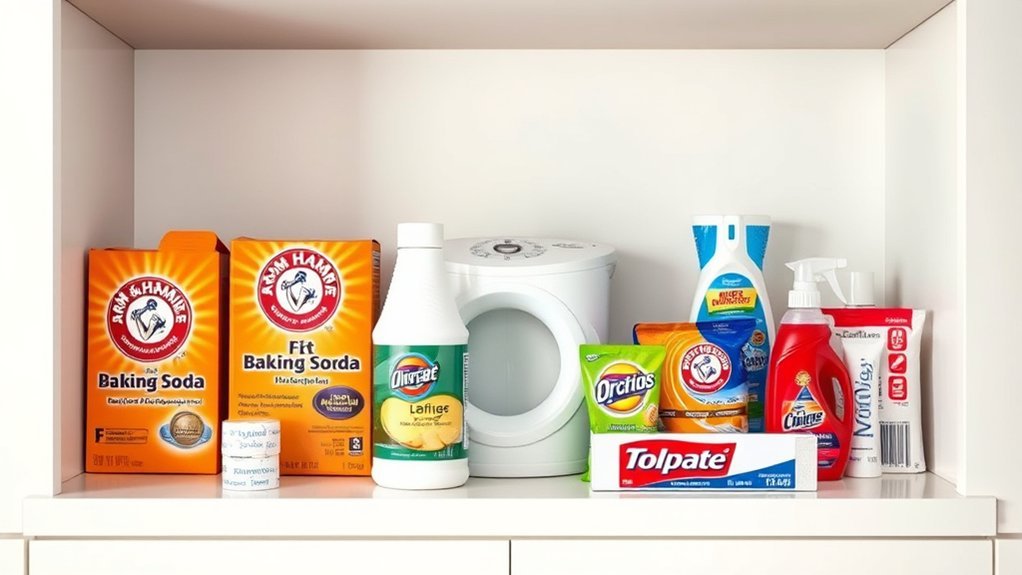
What makes Arm and Hammer products stand out within Church & Dwight’s portfolio? Their versatility and trusted performance distinguish them clearly. You’ll find these products address everyday needs efficiently, avoiding irrelevant topics that dilute focus.
When exploring two word discussion ideas like “brand strength” or “market reach,” Arm and Hammer shines as a flagship.
Church & Dwight’s expanded portfolio includes diverse categories, but Arm and Hammer remains a cornerstone due to:
- Baking soda-based products with broad household uses
- Oral care items that complement personal hygiene
- Cleaning solutions targeting eco-conscious consumers
- Deodorizing products recognized for reliability
This strategic diversity under one umbrella strengthens Church & Dwight’s market position, leveraging Arm and Hammer’s reputation while integrating innovations across categories.
How Church & Dwight Keeps Arm and Hammer Trusted
Ever wondered why Arm and Hammer continues to earn consumer trust after decades? Church & Dwight maintains this trust through consistent ethical sourcing and competitive pricing.
By ensuring raw materials meet stringent ethical standards, they promote transparency and social responsibility, which resonates with today’s conscious consumers. At the same time, Church & Dwight leverages efficient supply chains and economies of scale to offer Arm and Hammer products at prices competitive enough to appeal to a broad market without compromising quality.
You’ll notice these efforts create a balance between integrity and affordability, reinforcing brand reliability. This strategic approach ensures that when you choose Arm and Hammer, you’re selecting a product backed by responsible practices and accessible pricing, keeping its legacy intact.
Key Reasons Arm and Hammer Remains a Household Favorite
How does Arm and Hammer consistently secure a spot in households across generations? The brand’s enduring appeal stems largely from its strategic ownership history and product diversification. Church & Dwight’s acquisition brought stability and innovation, allowing the brand to evolve while maintaining core values.
You benefit from a trusted product range that meets diverse needs without sacrificing quality.
Key reasons Arm and Hammer stays popular include:
- Proven effectiveness rooted in a century-long ownership history
- Broad product diversification spanning baking soda to personal care
- Consistent quality control under Church & Dwight’s management
- Strong brand recognition reinforced by reliable everyday uses
The Future of Arm and Hammer and Church & Dwight
You’ll want to watch how Church & Dwight expands Arm and Hammer into new product categories while responding to evolving market trends. Innovation in formulation and sustainable packaging will likely shape their competitive edge.
Understanding these strategies helps predict the brand’s growth and relevance in the future.
Brand Expansion Strategies
Where will Arm and Hammer and Church & Dwight focus their growth efforts next? You can expect them to leverage brand licensing to expand product reach while emphasizing environmental stewardship to align with consumer values.
Their strategy will likely include:
- Partnering with eco-friendly manufacturers to develop sustainable products
- Licensing the Arm and Hammer brand to new categories beyond cleaning and baking
- Enhancing packaging with recyclable or biodegradable materials
- Expanding global distribution to tap emerging markets
Innovation and Market Trends
Building on their expansion strategies, Arm and Hammer and Church & Dwight must continuously innovate to stay competitive in evolving markets. You’ll see that embracing innovation trends, such as sustainable formulations and smart packaging, is crucial. These trends align with growing consumer demand for eco-friendly and convenient products.
Understanding market dynamics, including shifts in consumer preferences and increased competition from niche brands, helps you anticipate challenges and opportunities. You’ll need to leverage data analytics and invest in R&D to adapt swiftly. By doing so, Arm and Hammer and Church & Dwight can maintain relevance and capture emerging market segments.
Staying agile amid changing regulations and global supply chain pressures is equally important, ensuring their innovation pipeline remains robust and responsive to evolving market dynamics.
Frequently Asked Questions
Is Arm and Hammer Baking Soda Safe for Pets?
You can use Arm and Hammer baking soda safely around pets in small amounts, but avoid ingestion.
Baking soda safety for pets depends on proper use; excessive consumption can harm them, so monitor and consult a vet if unsure.
Can Arm and Hammer Products Be Used for Gardening?
You can use Arm and Hammer products for gardening, as their owner branding emphasizes versatility. The company history shows baking soda’s effectiveness in soil pH balance and pest control, making it a practical, eco-friendly gardening aid.
Are Arm and Hammer Products Environmentally Friendly?
You don’t need a time machine to see Arm and Hammer products are fairly eco-friendly. The environmental impact of Arm and Hammer products is minimized through baking soda-based formulas.
Knowing who owns Arm and Hammer helps track sustainability efforts.
Where Is Arm and Hammer Manufacturing Located?
You’ll find Arm and Hammer manufacturing facilities mainly in the United States, reflecting its corporate branding strategy. This localized production supports consistent quality and aligns with the company’s ownership focus on maintaining strong brand control and market presence.
Does Arm and Hammer Offer Any Allergy-Friendly Products?
Yes, Arm and Hammer offers allergy-friendly products, clearly indicated through product labeling. You’ll notice their marketing strategies emphasize transparency, helping you identify suitable options easily.
This reflects the company’s commitment to consumer needs and brand trust.
Conclusion
So, you might think Arm & Hammer is just that trusty baking soda hiding in your fridge, but nope—it’s a well-oiled machine owned by Church & Dwight, the corporate puppet master pulling the strings behind the scenes.
With sustainability and global conquest on their agenda, they’ve turned simple household staples into a data-driven empire.
Next time you sprinkle that powder, remember: it’s not just baking soda, it’s strategic brand warfare in a box. Now you know who owns Arm and Hammer.