When you examine Ishikawa Prefecture through the lens of “A Handful of Sand Ishikawa,” you encounter more than just a geographic region; you engage with a nuanced interplay of ecology, craftsmanship, and tradition.
The tactile quality of its sand reveals layers of cultural memory embedded in everyday rituals and artisan practices.
Understanding how these elements coexist with modern pressures offers insight into a community that continuously redefines its identity—one granular detail at a time.
What Makes Ishikawa Prefecture Unique in Japan
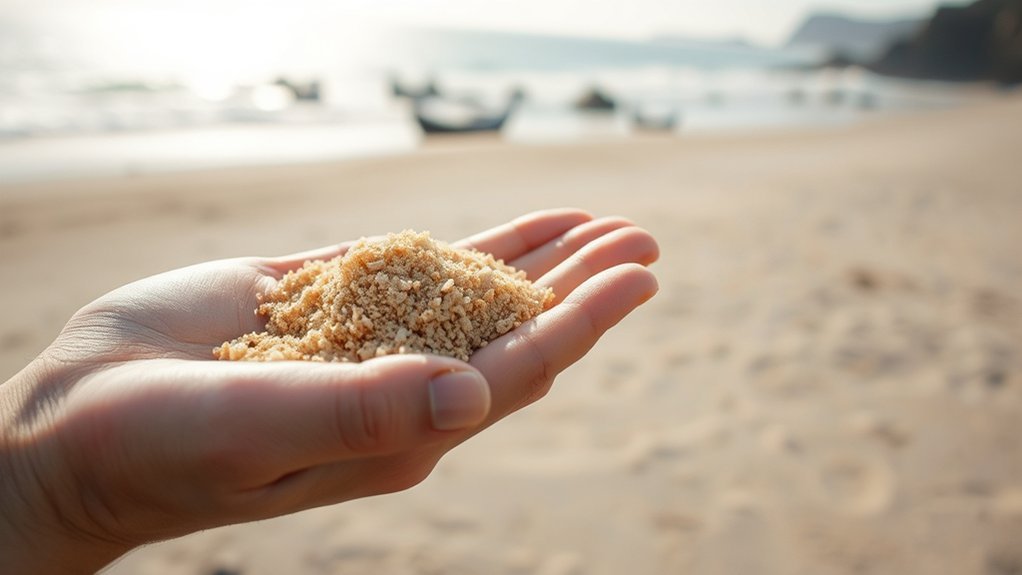
What sets Ishikawa Prefecture apart from other regions in Japan lies in its distinctive blend of geographic, cultural, and economic characteristics. When you analyze these factors, you notice a deliberate divergence from unrelated topics common in regional studies, focusing instead on specific elements like traditional crafts and contemporary industries.
You’ll find Ishikawa balances an offbeat theme by integrating advanced manufacturing with centuries-old artisan techniques, which isn’t typical elsewhere. Economically, its diversification—from precision machinery to tourism—enhances resilience.
Culturally, you observe a preservation of Edo-period aesthetics alongside modern innovation. Geographically, its coastal position on the Sea of Japan supports unique fisheries and port activities.
How Ishikawa’s Natural Landscape Shapes Its People’s Resilience
How does Ishikawa’s rugged natural landscape forge the resilience evident in its people? The interaction between terrain and human adaptation creates a distinct landscape identity, deeply rooted in environmental challenges and resources. You’ll observe that sand resilience emerges from this dynamic, especially in coastal areas where shifting sands demand continuous adjustment.
Consider these key factors shaping this resilience:
- Geological Diversity: Mountains and coastal plains impose varied conditions, forcing adaptive strategies in agriculture and settlement.
- Climate Variability: Harsh winters and heavy snowfall cultivate endurance and resourcefulness.
- Resource Management: Limited arable land and abundant marine resources drive sustainable practices.
Discover Ishikawa’s Rich Cultural Heritage
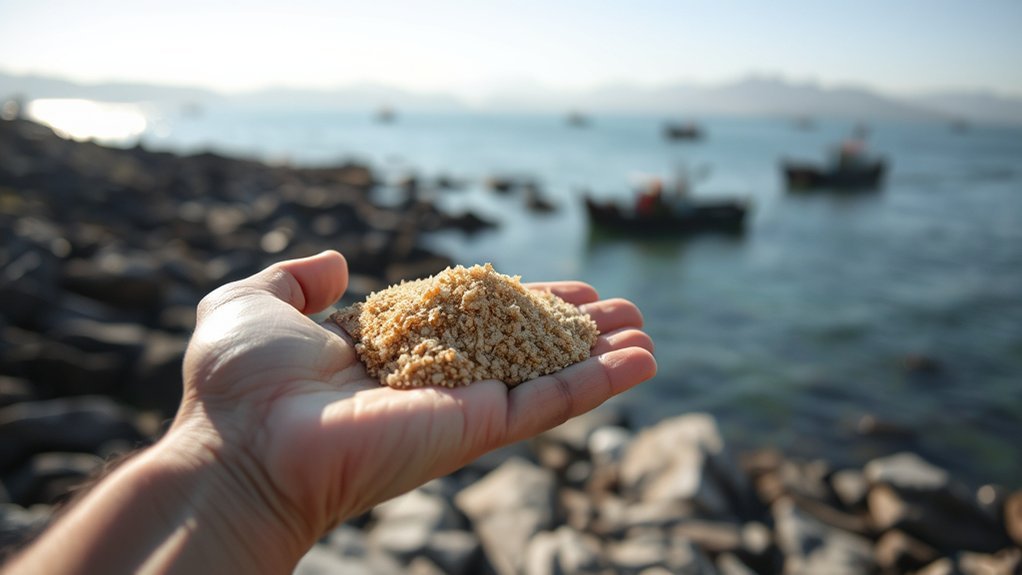
Why does Ishikawa’s cultural heritage stand out as an essential element in understanding the region’s identity? It’s because Ishikawa integrates a complex web of history and myths that frame its societal values and collective memory. These narratives aren’t mere folklore; they function as structural components in the region’s identity construction.
When you analyze Ishikawa’s fashion rituals, you uncover layers of symbolic communication that reflect historical continuity and social cohesion. These rituals, meticulously preserved, reveal how aesthetic expression intersects with inherited customs and local ecology.
How Traditional Customs Influence Daily Life in Ishikawa
In what ways do traditional customs permeate the everyday routines and social interactions of Ishikawa’s residents? You’ll notice that these customs shape behavior through structured practices like sand rituals and strict kitchen etiquette. These elements aren’t mere formalities; they regulate social harmony and environmental respect.
- Sand rituals: You observe controlled sand placements during community events, symbolizing purification and continuity. This ritual governs collective mindfulness and spatial organization.
- Kitchen etiquette: You must adhere to prescribed sequences in food preparation and serving, reflecting hierarchy and respect within households.
- Social greetings: You engage in prescribed bowing techniques that reinforce social order and mutual respect.
How Locals Balance Modern Challenges With Tradition
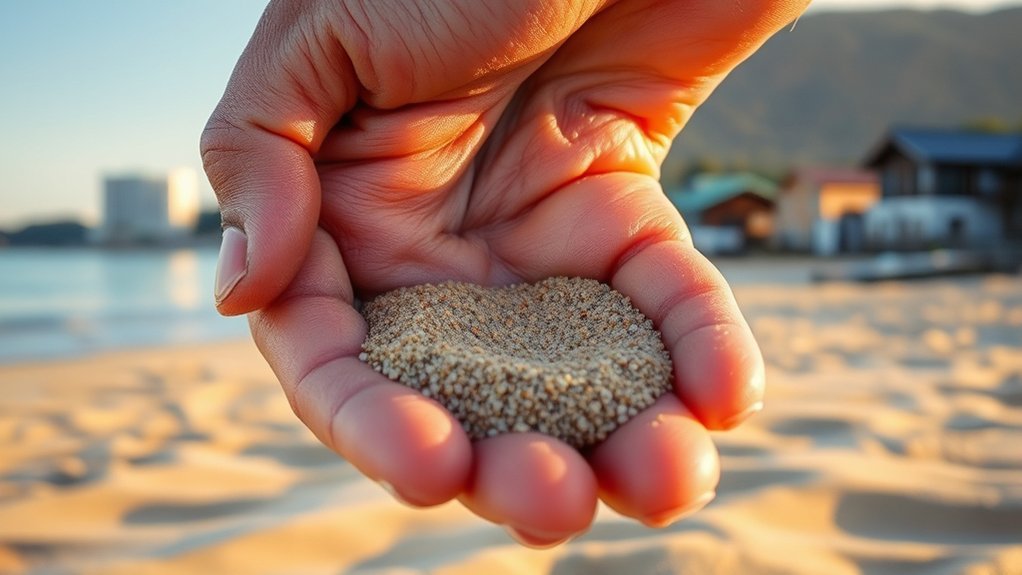
While traditional customs like sand rituals and kitchen etiquette firmly shape social behavior in Ishikawa, locals continuously adapt these practices to meet the demands of contemporary life. You’ll notice artisans integrating handmade textiles into modern fashion, preserving craftsmanship while appealing to current markets.
Similarly, seaside crafts evolve through innovative materials and design techniques, sustaining economic viability without compromising cultural significance. This balance requires analytical consideration of resource availability, consumer trends, and cultural preservation.
You actively participate in community workshops that teach these adaptive methods, ensuring skills transfer to younger generations. By maintaining this dynamic interplay between heritage and innovation, Ishikawa residents effectively navigate modernization pressures, securing both cultural identity and socioeconomic resilience amid evolving challenges.
Where to Experience Ishikawa’s Cultural Highlights and Festivals
Where can you immerse yourself in Ishikawa’s rich cultural tapestry? To understand its cultural highlights and festivals, focus on these key experiences that reveal the region’s commitment to landscape conservation and traditional celebrations.
Immerse yourself in Ishikawa’s vibrant culture through its festivals and dedication to landscape preservation.
1. Kanazawa’s Kenrokuen Garden
Explore one of Japan’s top landscape conservation sites, where seasonal changes reflect cultural aesthetics deeply rooted in history.
2. Wajima Taisai Festival
Analyze this vibrant summer festival known for its intricate floats and rituals, showcasing local craftsmanship and community spirit.
3. Hakusan Snow Festival
Experience this winter event emphasizing snow sculptures and traditional performances, illustrating Ishikawa’s adaptation to harsh climates while preserving cultural identity.
These sites and events provide precise insights into how Ishikawa harmonizes environmental stewardship with its enduring cultural heritage.
Personal Stories That Bring Ishikawa’s Spirit to Life
You’ll find Ishikawa’s spirit most vividly captured in personal stories that reveal authentic connections with locals and their traditions. These narratives highlight specific moments where cultural transmission happens through shared experiences, reinforcing community identity.
Understanding these encounters provides a precise lens to analyze how heritage sustains itself in everyday life.
Memorable Encounters With Locals
How do the people of Ishikawa shape your understanding of its culture and landscape? Memorable encounters with locals provide critical insight into the region’s social fabric. Their local greetings often reflect deep-rooted customs, revealing nuanced communication patterns embedded in daily interactions.
Consider these key aspects:
- Observing local greetings, you note the blend of formality and warmth that illustrates community values.
- Engaging in conversations, you uncover historical narratives tied to geographic features, enhancing your spatial awareness.
- Participating in communal activities, you experience firsthand the reciprocity between residents and their environment.
Each interaction serves as a data point, enriching your analytical framework of Ishikawa’s cultural landscape. These encounters offer direct evidence of how human elements integrate with natural settings, solidifying your comprehensive understanding.
Traditions Passed Down
Why do certain traditions endure in Ishikawa, transmitting the region’s spirit across generations? You’ll find the answer in how personal stories anchor these practices deeply in daily life.
Kitchen rituals, for example, aren’t just about preparing food; they’re deliberate acts preserving cultural identity. As you observe, these rituals embody precise techniques and timing, passed down meticulously, resisting traditions fading despite modernization pressures.
When you engage with locals, you notice how these rituals connect generations, embodying collective memory through sensory experience. Even as some customs wane, the persistence of kitchen rituals highlights a conscious effort to sustain Ishikawa’s heritage.
Moments of Cultural Connection
When do fleeting moments transform into lasting cultural connections in Ishikawa? You experience it when personal stories reveal memories beyond surface interactions, exposing the textures unseen in everyday life.
These connections crystallize through:
- Shared Rituals: Participating in ceremonies where each gesture encodes historical significance, you decode a cultural language embedded in textures unseen.
- Oral Histories: Listening to elders, you access memories beyond written records, gaining nuanced understanding of Ishikawa’s evolving identity.
- Artisanal Craft: Engaging with crafts reveals tactile dimensions of heritage, where textures unseen bridge past and present through hands-on practice.
These moments deepen your engagement, transforming transient experiences into enduring cultural insights that embody Ishikawa’s spirit with precision and analytical clarity.
Frequently Asked Questions
What Is the Origin of the Name “A Handful of Sand Ishikawa”?
The origin of the name “A Handful of Sand Ishikawa” reflects sand symbolism, representing impermanence and fragility. You’ll see it emphasizes fleeting moments and delicate connections, aligning with Ishikawa’s thematic focus on transient human experiences.
How Does the Sand Symbolize Ishikawa’s Identity?
You’ll find 70% of Ishikawa’s landscape covered in sand, making it a prime identity symbolism. The sand’s texture meaning reflects resilience and impermanence, mirroring Ishikawa’s cultural adaptability and historical evolution in precise, analytical detail.
Are There Any Famous Artworks Inspired by Ishikawa’s Sand?
You’ll find several sand sculptures inspired by Ishikawa’s sand, especially detailed gallery installations that analyze granular textures and transient forms. These works emphasize impermanence and identity through intricate layering and spatial composition techniques.
What Role Does Sand Play in Local Ishikawa Crafts?
You’ll see sand weaving through Ishikawa’s crafts like a silent muse, shaping sandcraft techniques and coastal pottery. Its granular texture influences firing temperatures, clay composition, and surface finishes, ensuring durability and authentic regional aesthetics in each piece.
Can Visitors Collect Sand as Souvenirs in Ishikawa?
You can’t collect sand in Ishikawa due to strict visiting restrictions and souvenir regulations designed to protect natural resources. Authorities enforce these rules rigorously, so you should respect local guidelines and avoid removing sand during your visit.
Conclusion
As you explore Ishikawa, notice how every grain of sand holds stories—craftsmanship, resilience, and ritual interwoven. But the true essence isn’t just in what you see; it’s in the subtle gestures, the textured memories carried through generations.
You might think you understand its heritage, yet beneath the surface lies a dynamic interplay of tradition and modernity. This interplay waits for you to uncover how this coastal region continuously shapes and reshapes its identity.
In every step and glance, A Handful of Sand Ishikawa reveals the profound connection between past and present, inviting you to experience its unique cultural tapestry.