If your hands have picked up an unexpected hue from Bondi Sands, it’s due to a chemical reaction between DHA and your skin proteins, resulting in a temporary pigment.
Removing Bondi Sands from hands can feel challenging, but understanding the right approach can make a significant difference.
You’ll want to explore methods that balance effective stain removal with skin care, ensuring you don’t cause irritation or damage while restoring your natural tone.
Taking care to treat your skin gently will help maintain its health as you work to fade the color.
Why Bondi Sands Tan Stains Your Hands
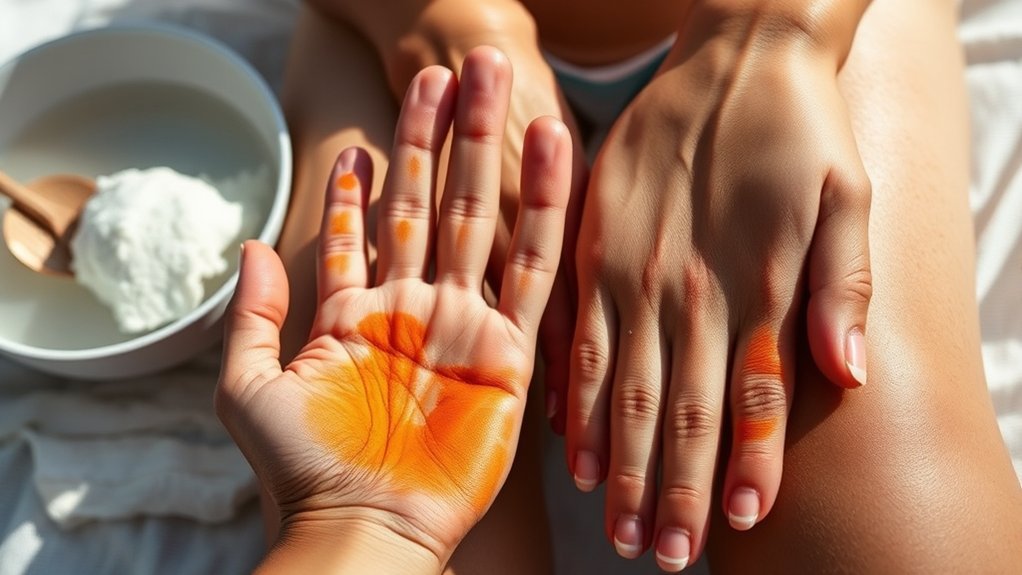
The reason Bondi Sands tan stains your hands lies in its active ingredient, dihydroxyacetone (DHA). DHA reacts with the amino acids in the outermost layer of your skin, causing a chemical reaction that produces a temporary darkening effect. This process is similar to the Maillard reaction in food browning.
Bondi Sands tan stains hands due to DHA reacting with skin amino acids, causing a temporary darkening effect.
When you apply Bondi Sands, the DHA binds with proteins on your hands, resulting in visible staining.
For skin safety, Bondi Sands formulas are designed to minimize irritation, but the staining is a natural outcome of DHA’s action. Since your hands are frequently exposed and washed, the tan on them often appears uneven or darker.
Understanding this mechanism helps you anticipate the staining and take preventive measures to protect your hands during application.
Quick Ways to Remove Bondi Sands Tan Immediately
To remove Bondi Sands tan from your hands quickly, start by exfoliating with gentle scrubs to slough off stained skin cells. You can also apply oil-based removers, which break down the tan without harsh chemicals.
These methods work effectively when used promptly and properly.
Exfoliate With Gentle Scrubs
How quickly you remove Bondi Sands tan from your hands depends largely on exfoliation techniques. Using gentle scrubs helps accelerate the removal of the tan by sloughing off dead skin cells.
Choose an exfoliant with fine granules, such as a blend inspired by random coffee grounds mixed with soothing elements reminiscent of ocean breeze. Apply the scrub in circular motions, focusing on stained areas without over-scrubbing, which can irritate your skin.
Rinse thoroughly with lukewarm water to ensure residue is fully removed. Repeat this process up to twice a week to avoid skin damage while promoting gradual tan fading. Consistent exfoliation breaks down the tanning agent evenly, restoring your natural skin tone more efficiently than washing alone.
Use Oil-Based Removers
Oil-based removers break down the Bondi Sands tanning agents quickly and effectively, making them ideal for immediate tan removal. When you apply an oil-based remover to your hands, it penetrates the tan’s chemical structure, loosening the bond between the skin and the pigment.
Use a cotton pad soaked in the remover and gently rub the stained areas. This method ensures targeted tan removal without harsh abrasion. Afterward, wash your hands with mild soap and water to remove residual oil.
Oil-based removers are especially effective for Bondi Suns products, as their formulation responds well to oil-based solvents. For best results, repeat the process if necessary, but avoid overuse to prevent skin irritation.
This approach offers a swift, clinical solution to removing Bondi Sands tan from your hands.
How to Use Gentle Exfoliants to Fade Tan Stains
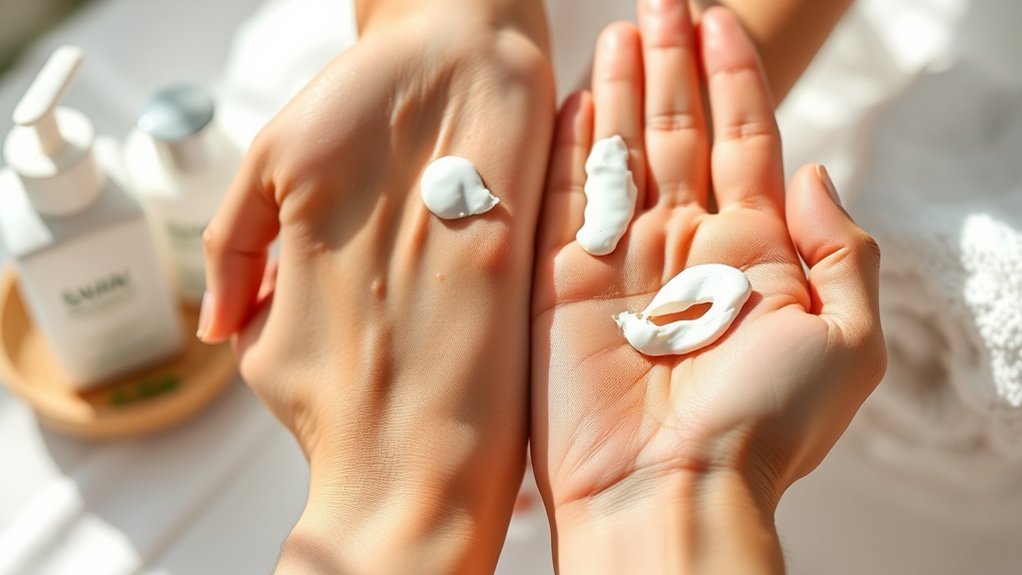
You can fade Bondi Sands tan stains effectively by using gentle exfoliants that remove dead skin cells without causing irritation. Look for exfoliants containing ingredients like lactic acid, glycolic acid, or fine sugar granules for safe and efficient results.
Limit exfoliation to two or three times per week to maintain skin health while accelerating tan removal.
Benefits Of Gentle Exfoliation
Why do gentle exfoliants play an essential role in fading tan stains like Bondi Sands? They work by removing dead skin cells, accelerating the natural skin renewal process. This helps to evenly fade discoloration without causing irritation or damage.
When addressing bondi bonds and tan questions, gentle exfoliation prevents over-exfoliation, which can worsen staining or cause sensitivity. By consistently using mild exfoliants, you promote a smoother texture and more uniform skin tone.
This targeted approach avoids harsh scrubbing that might disrupt the skin barrier. Ultimately, gentle exfoliation aids in breaking down the residual tan pigments, facilitating their removal.
For effective tan stain management, incorporating gentle exfoliants ensures you maintain skin health while achieving gradual, controlled fading of Bondi Sands stains.
Best Exfoliant Ingredients
Which exfoliant ingredients deliver the best results for fading Bondi Sands tan stains? You should focus on gentle yet effective compounds that promote cell turnover without irritating your skin.
Key exfoliant ingredients include alpha hydroxy acids (AHAs) like glycolic acid, beta hydroxy acids (BHAs) such as salicylic acid, and natural enzymes. These ingredients gently dissolve dead skin cells, accelerating the removal of tan stains.
| Exfoliant Ingredient | Function |
|---|---|
| Glycolic Acid (AHA) | Breaks down dead skin cells |
| Salicylic Acid (BHA) | Penetrates pores, exfoliates |
| Papain Enzyme | Natural, breaks down proteins |
| Lactic Acid (AHA) | Moisturizes, exfoliates gently |
Incorporate these exfoliant ingredients carefully to fade Bondi Sands tan stains effectively.
Exfoliation Frequency Tips
How often should gentle exfoliants be used to effectively fade Bondi Sands tan stains without causing irritation? For optimal results, maintain an exfoliation frequency of 2-3 times per week. This schedule balances scrubs effectiveness with skin sensitivity, preventing over-exfoliation that can lead to irritation or dryness.
Use gentle scrubs containing fine particles or mild chemical exfoliants like lactic acid to ensure controlled removal of dead skin cells and residual tan. Consistent exfoliation accelerates the fading process by promoting cell turnover while preserving the skin barrier.
Avoid daily exfoliation, as it compromises skin integrity and may worsen discoloration. Monitor your skin’s response and adjust exfoliation frequency accordingly. Combining proper exfoliation frequency with suitable products maximizes Bondi Sands tan stain removal safely and efficiently.
Household Products That Remove Bondi Sands Tan
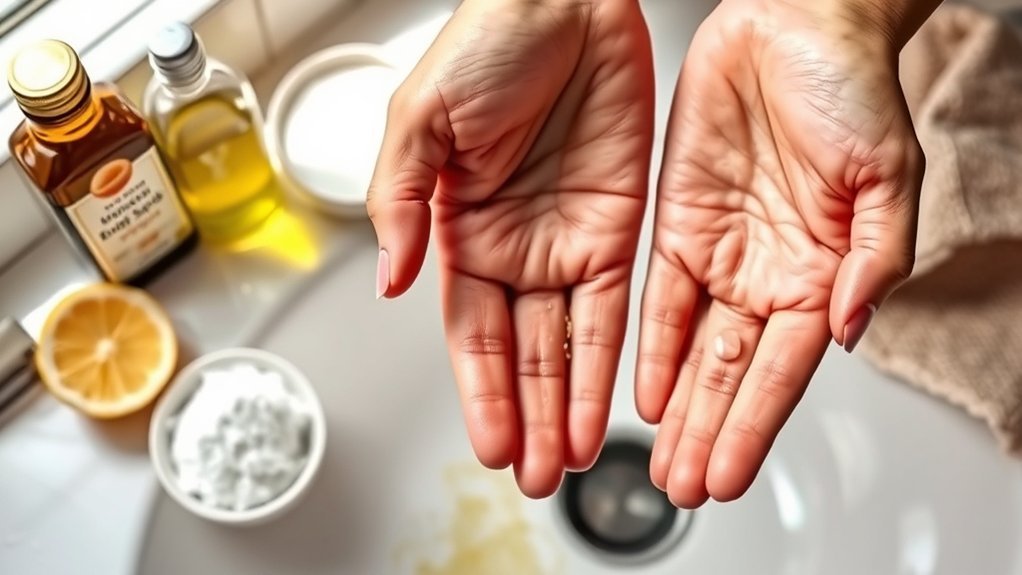
What common household products can effectively remove Bondi Sands tan from your hands? Several everyday items aid in tan removal by breaking down the DHA pigment or exfoliating the skin.
Lemon juice’s natural acidity helps lighten the tan by gently dissolving color buildup. Baking soda acts as a mild abrasive, promoting the sloughing off of dead skin cells and fading the tan.
White vinegar, similar to lemon juice, can assist in breaking down the tan pigments due to its acidity. Additionally, toothpaste containing mild abrasives can help scrub away the tan.
When using these products, apply them cautiously to avoid skin irritation. These household solutions offer practical, accessible options for Bondi Sands tan removal without harsh chemicals.
How to Use Soap and Water to Remove Tan
A simple combination of soap and water can help reduce Bondi Sands tan on your hands by cleansing the skin and removing superficial pigments. Start by wetting your hands with lukewarm water to open the pores gently. Apply a mild soap and create a lather, focusing on areas where the Bonds tan has accumulated.
Use circular motions to exfoliate the skin lightly, which helps break down the tan’s bonds with the skin’s surface. Rinse thoroughly with water, ensuring all soap and residual pigment wash away. Repeat this process up to twice daily; excessive washing may irritate your hands.
This method is effective for gradual fading, as soap and water alone won’t remove deep or stubborn tan stains but will aid in eliminating surface-level Bonds residues efficiently.
Protect Your Skin While Removing Bondi Sands Tan
Why is protecting your skin essential during Bondi Sands tan removal? The process can strip natural oils, causing dryness and sensitivity. Prioritizing skin hydration ensures your skin barrier remains intact and reduces irritation risk.
Additionally, because your skin may be more vulnerable, updating your sunscreen routine is crucial to prevent UV damage.
| Action | Purpose |
|---|---|
| Apply gentle moisturizer | Maintain skin hydration |
| Use mild cleanser | Avoid further irritation |
| Reapply broad-spectrum sunscreen | Protect against UV after removal |
How Lemon Juice Can Help Lift Tan Stains
You can use lemon juice to lift Bondi Sands tan stains due to its natural acidic properties that gently break down pigment. Apply it carefully with a cotton ball, leaving it on for a few minutes before rinsing thoroughly.
Remember to moisturize afterward and avoid sun exposure to protect your skin from irritation.
Natural Acid Properties
How does lemon juice effectively help lift Bondi Sands tan stains from your hands? Lemon juice contains natural citric acid, a mild alpha hydroxy acid (AHA) that breaks down the melanin pigments responsible for tan stains. This acid gently exfoliates the skin’s surface, accelerating the removal of discolored cells caused by Bondi Sands tanning products.
The low pH of lemon juice creates an environment that facilitates the lightening of these stains without harsh abrasives. Additionally, its natural acidity helps restore the skin’s normal tone by promoting cell turnover. Using lemon juice leverages its chemical properties to target and diminish tan stains precisely, making it an effective, natural solution for restoring your hands’ appearance after applying Bondi Sands.
Application Methods Explained
When applying lemon juice to lift Bondi Sands tan stains, the method of application substantially influences its effectiveness. You want to ensure the juice contacts the affected skin evenly and for an adequate duration. Follow these steps:
- Soak a cotton ball in fresh lemon juice and gently dab it onto the tan stains. This targets the area precisely without excess juice spreading.
- Allow the juice to sit on your skin for 5 to 10 minutes. This contact time lets the natural acids break down the tan pigments.
- Rinse thoroughly with lukewarm water and pat dry. This removes residue and prevents over-drying.
Safety Tips For Skin
Why should you exercise caution when using lemon juice to lift Bondi Sands tan stains? Lemon juice contains natural acids that aid in stain removal by breaking down pigments. However, its acidic nature can irritate or dry out your skin if misused.
To maintain skin safety, dilute lemon juice with water before application and limit exposure time to a few minutes. Avoid applying it to broken or sensitive skin, as this increases the risk of irritation or chemical burns.
After treatment, rinse thoroughly and moisturize to restore hydration. Perform a patch test on a small skin area to check for adverse reactions before full use.
Preventing Bondi Sands Stains Before Applying
What steps can you take to minimize the risk of Bondi Sands staining your hands before application? Preventing stains starts with preparation and careful technique. Follow these three clinical steps:
Minimize Bondi Sands stains with preparation and precision—wear gloves, apply barrier cream, and use an applicator mitt.
- Wear gloves: Use disposable gloves to create a barrier, preventing direct contact and mimicking the precision needed to plan exotic destinations without spillover.
- Apply barrier cream: Coat your hands with a thin layer of barrier cream or petroleum jelly, similar to how you’d protect delicate vegan desserts from moisture.
- Use an applicator mitt: Instead of your bare hands, apply the product with a mitt designed to evenly distribute the tan while protecting your skin.
Tips to Keep Your Skin Tone Even After Removing Tan
How can you maintain an even skin tone after removing Bondi Sands tan? Focus on gentle exfoliation and consistent moisturizing. Avoid skip techniques that promise quick fixes, as they can cause uneven skin texture.
Steer clear of unrelated remedies that might irritate your skin. Hydrating regularly supports skin regeneration and maintains tone uniformity.
| Step | Action | Purpose |
|---|---|---|
| Exfoliate | Use mild scrub 2x weekly | Remove dead cells evenly |
| Moisturize | Apply hydrating lotion daily | Promote skin repair |
| Protect | Use SPF 30+ when outdoors | Prevent discoloration |
Adhering to these steps ensures balanced skin tone, minimizes patchiness, and enhances your skin’s natural glow after tan removal.
When to Get Professional Help for Stubborn Tan Marks
When should you consider seeking professional help for stubborn tan marks after using Bondi Sands? If you’ve tried standard tan prevention and removal techniques without success, it’s time to consult a specialist. Persistent discoloration may indicate uneven melanin distribution or skin irritation requiring targeted treatment.
Consider professional assistance if you experience:
- Deep or uneven pigmentation that doesn’t fade after multiple exfoliation attempts.
- Skin irritation or allergic reactions worsening despite topical care.
- Visible skin texture changes such as dryness or flakiness persisting beyond typical tan removal timelines.
A dermatologist or aesthetician can offer treatments like chemical peels, microdermabrasion, or laser therapy to safely and effectively address stubborn Bondi Sands stains, restoring your skin’s uniform tone and promoting proper tan prevention.
Frequently Asked Questions
Can Bondi Sands Tan Cause Allergic Reactions?
Yes, Bondi Sands tan can cause allergic reactions. You should always perform patch testing before full application to identify any sensitivity.
If irritation occurs, discontinue use immediately and consult a healthcare professional for advice.
How Long Does Bondi Sands Tan Typically Last?
Your Bondi Sands tan typically lasts about 5 to 7 days, depending on skin type and care.
While rare, allergic reactions can affect how long tan results appear and may require discontinuing use promptly.
Is Bondi Sands Safe for Sensitive Skin?
You won’t find a gentler product on Earth! Bondi Sands is formulated with fragrance safety in mind, making it suitable for sensitive skin. However, always patch test to ensure your skin reacts well before full application.
Can Bondi Sands Be Used on the Face?
You can use Bondi Sands on your face, but you should choose their facial formulation, which is gentler and designed for delicate skin.
Avoid using the body version on your face to prevent irritation and uneven application.
Does Bondi Sands Have a Strong Smell?
Bondi Sands has a mild scent strength that most users find pleasant and non-overpowering. When removing residue, you’ll notice the scent dissipates quickly, making it manageable without lingering odors on your skin or surroundings.
Conclusion
Removing Bondi Sands tan from your hands is like peeling away the layers of a temporary mask, revealing the natural skin beneath. By gently exfoliating and using targeted removers, you dissolve the pigment formed by DHA’s reaction with your skin proteins.
Consistent care, including moisturizing and sun protection, ensures your skin’s true tone shines through without damage. Approach removal methodically, and treat your hands as the delicate canvas they are.
With patience and the right techniques, getting Bondi Sands off hands becomes a simple process that preserves their health and appearance.