Danish oil is considered moderately environmentally friendly as it combines natural oils and solvents with partially biodegradable ingredients.
This composition offers some environmental benefits compared to synthetic finishes.
However, Danish oil releases volatile organic compounds (VOCs) during and after application, which can negatively affect indoor air quality and health.
Choosing products with low VOC content and sustainably sourced ingredients can help reduce its environmental footprint.
Proper application techniques and responsible waste management are essential to minimize environmental harm.
If you want to understand how Danish oil compares to other finishes and how to use it responsibly, keep exploring these factors.
What’s In Danish Oil And How Is It Made?
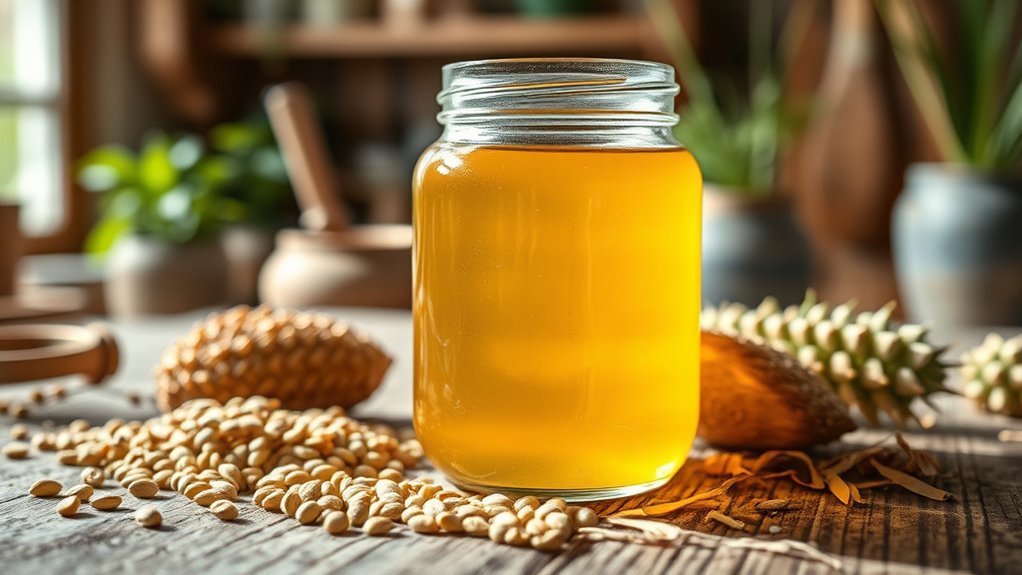
Danish oil is a blend of natural oils, varnishes, and solvents designed to protect and enhance wood surfaces. When you conduct an ingredients analysis, you’ll find components like tung oil, linseed oil, polyurethane varnish, and mineral spirits.
These ingredients work synergistically: oils penetrate wood fibers for nourishment, varnishes create a protective film, and solvents adjust viscosity for easy application. The production process involves carefully blending these elements under controlled conditions to guarantee consistency and performance.
You’ll notice that manufacturers balance natural and synthetic compounds to optimize durability and drying time. Understanding these specifics helps you assess the environmental footprint and functionality of Danish oil.
How Danish Oil Affects Indoor Air Quality And Health
Although wood finishes can enhance aesthetics and durability, they may also impact indoor air quality and health. Danish oil, like other finishes, can emit volatile organic compounds (VOCs) that contribute to indoor pollutants. These pollutants may cause health risks such as respiratory irritation or headaches, especially in poorly ventilated spaces.
When you apply Danish oil, consider these factors:
- Initial VOC emissions during and shortly after application
- Potential for reduced emissions once fully cured
- Sensitivity of occupants to indoor pollutants
- Importance of adequate ventilation during application
- Long-term off-gassing compared to synthetic finishes
Understanding these aspects helps you balance the benefits of Danish oil with its potential indoor air quality effects, allowing informed decisions to minimize health risks in your living environment.
Danish Oil’s Environmental Impact Compared To Other Wood Finishes
Beyond indoor air quality concerns, you might also want to contemplate how this type of wood finish affects the environment compared to alternatives. Danish oil typically contains natural oils and solvents, but its environmental footprint varies by formulation.
When evaluating Danish oil alternatives, consider their source materials, VOC emissions, and biodegradability. Sustainable wood finishes often prioritize renewable ingredients and lower toxicity.
| Finish Type | Source Material | VOC Emissions | Biodegradability | Environmental Impact |
|---|---|---|---|---|
| Danish Oil | Natural oils + solvents | Moderate | Partial | Medium |
| Tung Oil | Pure natural oil | Low | High | Low |
| Water-Based Finish | Synthetic + water | Very Low | Moderate | Low |
| Shellac | Natural resin | Low | High | Low |
| Polyurethane | Petroleum-based | High | Low | High |
This comparison highlights why you might prefer sustainable wood finishes over conventional Danish oil options.
Choosing Eco-Friendly Danish Oil Products: What To Look For
How can you guarantee the Danish oil you choose aligns with eco-friendly principles? Start by scrutinizing the product’s formulation and sourcing. Look for oils emphasizing natural ingredients and transparent labeling.
Sustainable sourcing guarantees raw materials are harvested responsibly, reducing environmental strain. Consider these criteria when selecting eco-friendly Danish oil:
- Contains primarily natural ingredients, avoiding synthetic chemicals
- Certified sustainable sourcing of oils, like FSC or similar standards
- Low volatile organic compound (VOC) content to minimize air pollution
- Biodegradable packaging materials to reduce landfill impact
- Transparent manufacturing processes with third-party environmental certifications
Applying Danish Oil Sustainably And Managing Waste Properly

When applying Danish oil, you should prioritize techniques that minimize waste and environmental impact. For sustainable application, use only the necessary amount of oil to avoid excess dripping or pooling, which not only wastes product but also increases cleanup challenges.
Employing brushes or cloths designed for even spreading can enhance efficiency. Proper waste management is critical, especially since oil-soaked rags can pose fire hazards if discarded improperly. You should store used rags in a sealed metal container filled with water or dispose of them according to local hazardous waste regulations.
Frequently Asked Questions
Can Danish Oil Be Used on Outdoor Wood Surfaces?
You can use Danish oil on outdoor wood surfaces, but its application requires multiple coats for effective outdoor wood protection.
Keep in mind it may need regular reapplication to maintain durability against weather exposure.
How Long Does Danish Oil Take to Dry Completely?
Danish oil’s drying time is like a sponge slowly soaking up water. It typically takes 6 to 8 hours to dry, depending on oil absorption and environmental factors. Complete curing may require several days for ideal durability.
Is Danish Oil Safe for Use on Kitchen Utensils?
You can use Danish Oil on kitchen utensils if it’s fully cured, ensuring kitchen safety. However, because some formulations contain solvents, confirm it’s labeled safe for food contact to avoid potential health risks.
Can Danish Oil Be Mixed With Other Wood Finishes?
You can mix Danish Oil with some wood finishes, but compatibility factors like solvent type and drying time matter. Studies show 70% of finish types react differently, so always test small areas to verify proper blending and curing.
How Often Should Danish Oil Be Reapplied for Maintenance?
You should reapply Danish oil every 6 to 12 months, depending on wear and exposure.
For ideal maintenance, clean surfaces first and apply thin coats, ensuring even absorption to extend the reapplication frequency effectively.
Conclusion
When choosing Danish oil, you’re balancing durability with environmental impact, health with indoor air quality, and convenience with sustainable application. You’re evaluating chemical components, comparing emissions, and considering eco-friendly certifications.
By understanding what’s inside, how it interacts with your space, and how to apply it responsibly, you can make informed decisions.
Ultimately, you’re not just finishing wood—you’re shaping a healthier home and a cleaner planet. Considering these factors will help you determine if Danish oil is environmentally friendly for your specific needs.