If you use Danish oil, expect a moderately durable finish that deeply penetrates wood and enhances its natural grain.
Danish oil protects against everyday wear, light scratches, and moisture to some extent but isn’t fully waterproof or resistant to heavy damage.
You’ll need to reapply every 6 to 12 months, especially in high-use areas, to maintain protection.
Danish oil is ideal indoors on hardwoods but less suited for outdoor or high-impact settings.
There’s more to understand about its best applications and care.
What Is Danish Oil And How Does It Work?
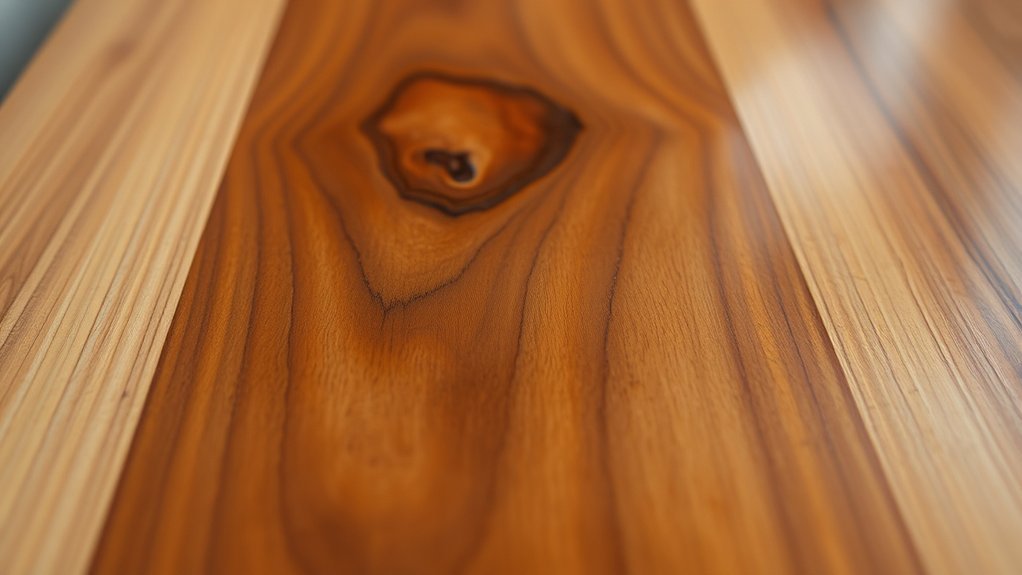
Danish oil is a popular wood finishing product that combines oil and varnish to penetrate deeply while providing a protective surface layer. When you apply Danish oil, you typically use a cloth or brush to rub it into the wood grain, allowing it to soak in and enhance the natural texture.
Application techniques are essential; multiple thin coats work better than one thick layer, guaranteeing even absorption and minimizing sticky residue. After each coat, you should wait for the recommended drying times, usually 4 to 6 hours, before lightly sanding and applying the next.
These drying times allow the oil to cure properly, forming a durable, water-resistant finish that both protects and enriches the wood’s appearance. Following these steps guarantees ideal performance and longevity of the finish.
How Long Does Danish Oil Last On Wood Surfaces?
Although the longevity of Danish oil on wood can vary depending on factors like wood type, usage, and environmental conditions, you can generally expect the finish to last between one to three years before requiring reapplication. The Danish oil lifespan depends largely on how much wear the wood surface endures and exposure to sunlight or moisture.
Hardwoods often retain the finish longer than softwoods. If your wood surface experiences frequent handling or outdoor exposure, the protective layer may degrade faster. Regular inspection helps you determine when to refresh the oil to maintain ideal wood surface protection.
Proper application and maintenance extend the Danish oil lifespan, ensuring your wood remains protected and visually appealing over time without premature deterioration.
How Danish Oil Enhances Wood Durability Against Moisture And Wear

Understanding how long Danish oil lasts on your wood surfaces naturally leads to exploring how it actually protects the wood against moisture and wear. Danish oil penetrates deep into the wood fibers, creating a barrier that enhances moisture resistance and prevents water damage.
It also forms a flexible, durable layer on the surface, offering excellent wear protection against scratches and daily use.
| Protection Aspect | Mechanism | Benefit |
|---|---|---|
| Moisture Resistance | Penetrates fibers to repel water | Prevents swelling, rot |
| Wear Protection | Forms flexible surface coating | Resists scratches, abrasion |
| Breathability | Allows moisture vapor to escape | Avoids trapped moisture |
| Maintenance | Easy reapplication | Sustains protection over time |
With Danish oil, you get balanced durability that guards your wood effectively against environmental challenges.
Danish Oil Vs. Other Wood Finishes: Which Lasts Longer?
How long a wood finish lasts often depends on the specific conditions and usage it faces. When comparing Danish oil to other finishes like polyurethane or varnish, you’ll notice Danish oil advantages include deep penetration that enhances wood grain and a natural look.
However, its durability is generally less than that of hard coatings. Danish oil disadvantages include a thinner protective layer, making it more prone to wear and requiring more frequent reapplication.
In contrast, polyurethane forms a tougher, more resilient surface that withstands scratches and moisture longer. If durability is your priority, finishes with thicker films outlast Danish oil.
Yet, Danish oil offers easier maintenance and spot repairs, so your choice depends on whether you value longevity or ease of upkeep more.
Which Wood Types Benefit Most From Danish Oil Durability?

Wood species with open grain structures, like oak, ash, and walnut, benefit greatly from Danish oil’s penetrating qualities. Oak absorption is particularly significant; its porous texture allows the oil to seep deeply, enhancing durability while emphasizing natural grain patterns.
When you apply Danish oil on these woods, you guarantee a resilient finish that resists moisture and wear better than surface-level treatments. Pine finishes, on the other hand, respond differently due to pine’s softer, less dense nature.
Danish oil soaks into pine but provides a thinner protective layer compared to hardwoods. While it improves pine’s appearance and offers moderate protection, the real advantage is seen with dense, open-grained hardwoods where the oil’s durability shines.
Choosing the right wood with Danish oil maximizes both longevity and aesthetic appeal.
Applying Danish Oil Properly For Long-Lasting Protection
Although Danish oil is known for its ease of use, applying it correctly is essential to achieve maximum durability and protection. Start by sanding your wood surface smoothly, then apply Danish oil using a clean cloth or brush, following proper application techniques.
Work the oil into the wood grain evenly, avoiding pooling or drips. Let the first coat penetrate for 15-20 minutes before wiping off any excess. Allow sufficient drying time between coats, usually 6 to 8 hours.
For long-lasting protection, apply multiple finish layers; two to three coats are recommended. Each additional layer builds depth and resilience, enhancing water resistance and wear protection.
Can Danish Oil Withstand Outdoor Exposure And UV Damage?
When considering outdoor use, you might wonder if Danish oil can truly withstand exposure to the elements and harmful UV rays. Danish oil offers moderate protection against outdoor exposure but isn’t fully resistant to UV damage. Here’s what you need to know:
- Danish oil penetrates wood, enhancing water resistance but doesn’t form a thick protective film.
- Prolonged UV exposure can break down the oil’s finish, causing fading and degradation.
- It’s best suited for sheltered outdoor areas, not direct, constant sun or rain.
- Reapplication is necessary to maintain protection against UV damage and moisture over time.
How To Tell When Your Danish Oil Finish Needs A Refresh
If you notice your wood surface losing its subtle sheen or feeling rougher to the touch, it’s a clear sign that your Danish oil finish may need a refresh. Conduct a thorough finish assessment by closely examining the surface for dullness, discoloration, or water spotting. These are common maintenance signs indicating wear.
During your surface inspection, look for areas where the oil appears uneven or has absorbed dirt, which reduces protection. Additionally, check for any cracking or peeling, although Danish oil typically penetrates rather than forms a film.
These indicators suggest the finish’s protective qualities are diminishing. Being proactive with regular finish assessments guarantees the wood remains well-protected and visually appealing. Recognizing these maintenance signs early helps you maintain the durability and beauty of your Danish oil finish.
Tips For Repairing And Renewing Worn Danish Oil Finishes
Before you start repairing or renewing a worn Danish oil finish, make certain the surface is clean and free of dust, dirt, or old oil residue. Effective repair techniques rely on proper preparation. Here’s how to proceed:
Proper preparation is key before repairing or renewing a worn Danish oil finish for best results.
- Lightly sand the affected area with fine-grit sandpaper to remove any unevenness without stripping the wood.
- Wipe down the surface with a lint-free cloth dampened with mineral spirits to eliminate sanding dust.
- Apply a quality Danish oil renewal product evenly using a cloth or brush, allowing it to penetrate the wood.
- After drying, buff the surface gently to restore the finish’s luster.
Following these steps guarantees your repair techniques and renewal products work effectively, extending the finish’s life while maintaining its natural appeal.
Pros And Cons Of Danish Oil’s Durability In Daily Use
When you use Danish oil, you’ll notice its moderate water resistance helps protect surfaces but isn’t fully waterproof.
Daily wear and tear can gradually dull the finish, especially in high-traffic areas. To keep your wood looking its best, regular maintenance and periodic reapplication are essential.
Water Resistance Capabilities
Although Danish oil provides a natural, attractive finish, its water resistance is moderate and not entirely foolproof. You’ll find its waterproof properties offer some moisture resistance but aren’t enough to fully protect wood in wet conditions. Here’s what you should know:
- Danish oil penetrates wood fibers, enhancing moisture resistance without forming a hard surface layer.
- It repels minor spills but won’t prevent water damage if exposed for prolonged periods.
- Reapplication is necessary to maintain any degree of waterproof properties, especially in high-moisture environments.
- It’s best suited for indoor furniture or decorative pieces where occasional dampness occurs, but not for outdoor or heavily used wet areas.
Understanding these limits helps you decide if Danish oil fits your needs for water resistance.
Wear and Tear Impact
Because Danish oil soaks into the wood rather than sitting on top, it offers a durable finish that resists everyday wear like light scratches and scuffs fairly well. This penetration enhances the wood’s natural fibers, providing solid wear resistance without creating a thick, plastic-like layer.
The surface protection Danish oil provides is subtle but effective, maintaining the wood’s texture and appearance while guarding against minor abrasion. However, it’s important to note that Danish oil isn’t as resilient against heavy impacts or deep gouges compared to harder finishes like polyurethane.
Maintenance and Reapplication
Several factors influence how often you’ll need to maintain and reapply Danish oil to keep your wood looking its best. The maintenance frequency depends on usage intensity, exposure to sunlight, and environmental humidity. To guarantee peak durability, you should follow proper reapplication techniques. Here’s what to take into account:
- Inspect the surface regularly for dryness or dullness, signaling the need for maintenance.
- Lightly sand the wood with fine-grit sandpaper before reapplying to enhance penetration.
- Apply a thin, even coat of Danish oil using a clean cloth or brush, allowing adequate drying time.
- Repeat reapplication every 6 to 12 months for high-traffic areas, and annually in less exposed spots.
Frequently Asked Questions
Is Danish Oil Food Safe for Kitchen Utensils?
Danish oil isn’t considered fully food safe for kitchen utensils because it may contain solvents or additives. For true food safety in kitchen applications, you’d be better off with mineral oil or food-grade finishes specifically labeled for contact with food.
Can Danish Oil Be Mixed With Other Finishes?
You can mix Danish oil with some finishes, but you’ll face compatibility issues if combining with water-based or polyurethane finishes.
Always test small areas first to verify proper adhesion and avoid uneven drying or peeling when mixing finishes.
How Long Does Danish Oil Take to Dry Completely?
Don’t worry if it feels slow; Danish oil’s drying time usually ranges from 4 to 6 hours per oil application.
Multiple coats might extend this, but each layer enhances durability and finish depth considerably.
Does Danish Oil Darken Over Time?
Yes, Danish oil can darken over time due to oil absorption into the wood fibers. This darkening effect varies with wood type and finish layers, so you’ll notice a richer, deeper tone developing gradually.
Is Danish Oil Suitable for Antique Furniture Restoration?
Yes, Danish oil works well for antique wood restoration; it penetrates deeply, enhancing grain and offering protection.
Its compatibility with traditional restoration techniques makes it ideal, preserving the wood’s character without masking its natural beauty.
Conclusion
If you’re looking for a finish that can last up to 5 years on indoor wood with proper care, Danish oil is a solid choice. It penetrates deeply, enhancing wood’s resistance to moisture and daily wear.
However, don’t expect it to hold up as well outdoors without regular maintenance. Knowing when to refresh your finish can save your wood’s beauty and durability.
Remember, even the best Danish oil finish needs a little love every few years to keep performing at its best. This is key to understanding how durable Danish oil truly is.