When you’re preparing to install an M8 rivnut, selecting the correct drill bit size for M8 rivnut is essential to guarantee a secure fit and maintain material integrity.
You’ll typically need a 13mm bit to match the rivnut’s outer diameter, but the exact size can vary based on material thickness and rivnut style.
Using the wrong bit risks improper seating or weakening the joint, so understanding the precise requirements before drilling makes all the difference.
Always check the rivnut manufacturer’s recommendations to ensure the best results.
What Drill Bit Size Fits an M8 Rivnut Hole?
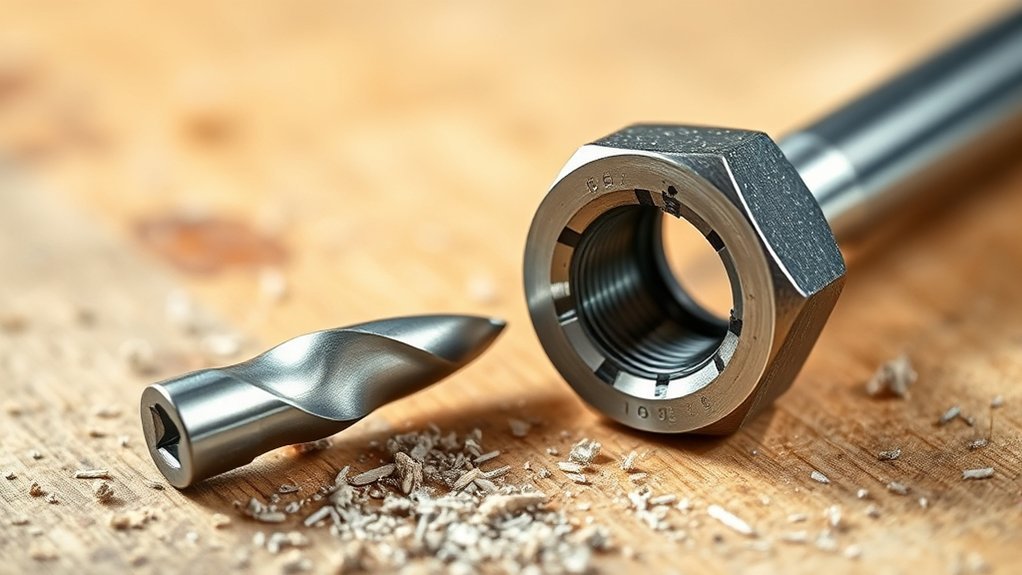
To install an M8 rivnut correctly, you need to use a drill bit with a diameter of 13 millimeters (or approximately 1/2 inch). This size guarantees proper M8 rivnut sizing, allowing the rivnut to fit securely within the hole without excessive play or deformation.
Using the correct drill bit diameter is critical for drill bit compatibility, as undersized holes will prevent the rivnut from fully seating, while oversized holes compromise structural integrity. When selecting your drill bit, confirm its precise diameter to maintain consistency across installations.
Accurate sizing facilitates ideal load distribution and reliable fastening. Consequently, matching the drill bit size to the M8 rivnut specifications is essential for achieving a secure and durable installation in your project.
Why the Right Drill Bit Size Matters for M8 Rivnuts
Selecting the correct drill bit size directly impacts the performance and reliability of your M8 rivnut installation. Precise drill bit selection guarantees the hole diameter matches the rivnut’s outer thread diameter, enabling proper deformation and secure anchoring during installation.
If the hole is too large, the rivnut won’t grip firmly, compromising load capacity and causing potential loosening under stress. Conversely, an undersized hole can prevent full rivnut insertion or cause material deformation, leading to installation failure.
Accurate drill bit sizing also minimizes material stress and prevents cracking or distortion around the hole. By focusing on exact drill bit selection, you secure the best rivnut installation, maintain structural integrity, and guarantee the fastener performs as intended under operational loads.
Best Drill Bit Types and Materials for M8 Rivnut Holes
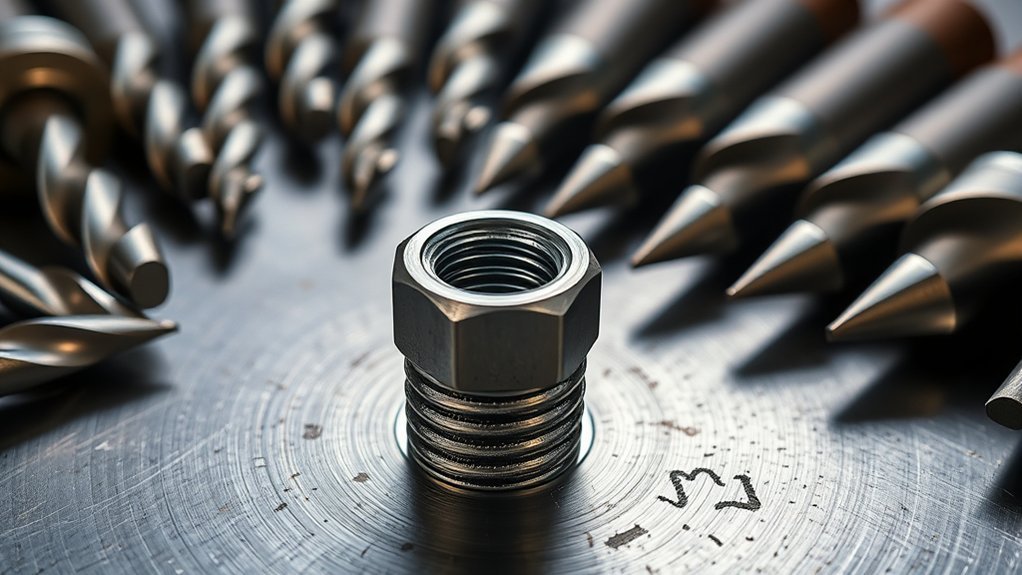
You need drill bits made from materials that match your workpiece, like high-speed steel for softer metals or cobalt for tougher alloys. Choosing the right type, such as twist bits for general use or step bits for clean, precise holes, ensures accurate sizing for M8 rivnuts. Selecting the best combination reduces wear and guarantees a secure fit.
Drill Bit Material Options
Although choosing the right drill bit material may seem straightforward, it greatly impacts the quality and durability of M8 rivnut holes. You need to take into account drill bit types like high-speed steel (HSS), cobalt, and carbide, each offering distinct hardness and heat resistance levels.
HSS suits general-purpose drilling but wears faster on tough metals. Cobalt bits handle heat better, ideal for stainless steel or harder alloys. Carbide offers superior durability but requires careful handling due to brittleness.
Additionally, drill bit coatings such as titanium nitride (TiN) or black oxide enhance wear resistance and reduce friction, extending bit life and improving hole precision. Selecting the appropriate material and coating combination guarantees clean, accurate holes, maintaining the structural integrity essential for M8 rivnut installation.
Best Drill Bit Types
When drilling holes for M8 rivnuts, choosing the right drill bit type directly influences hole accuracy and fastener performance. Among drill bit types, twist bits made from high-speed steel (HSS) excel for general-purpose drilling in steel and aluminum, offering durability and precision.
For stainless steel or harder materials, cobalt or titanium-coated bits provide enhanced wear resistance, maintaining sharpness and reducing heat buildup. Carbide-tipped bits suit abrasive or composite materials but require careful handling due to brittleness.
Selecting suitable materials for your drill bit guarantees clean, correctly sized holes essential for rivnut installation. Avoid using dull or inappropriate bits, as they cause oversized or irregular holes, compromising rivnut grip.
How to Measure Your Material for M8 Rivnut Holes
Accurately measuring your material is essential for guaranteeing the proper fit of M8 rivnut holes. Start by determining your material thickness using a caliper or micrometer; this guarantees the rivnut will grip securely without protruding.
Next, assess hole alignment carefully, marking precise drill points to maintain structural integrity and even load distribution.
| Measurement Aspect | Tool Recommended |
|---|---|
| Material Thickness | Digital Caliper |
| Hole Alignment | Center Punch & Ruler |
| Drill Hole Diameter | Drill Bit Gauge |
Accurate measurements prevent misfits and weak joints. Confirm measurements are taken at multiple points to account for any material inconsistencies. This systematic approach ensures ideal rivnut installation and durability.
Tips for Drilling Clean Holes for M8 Rivnuts
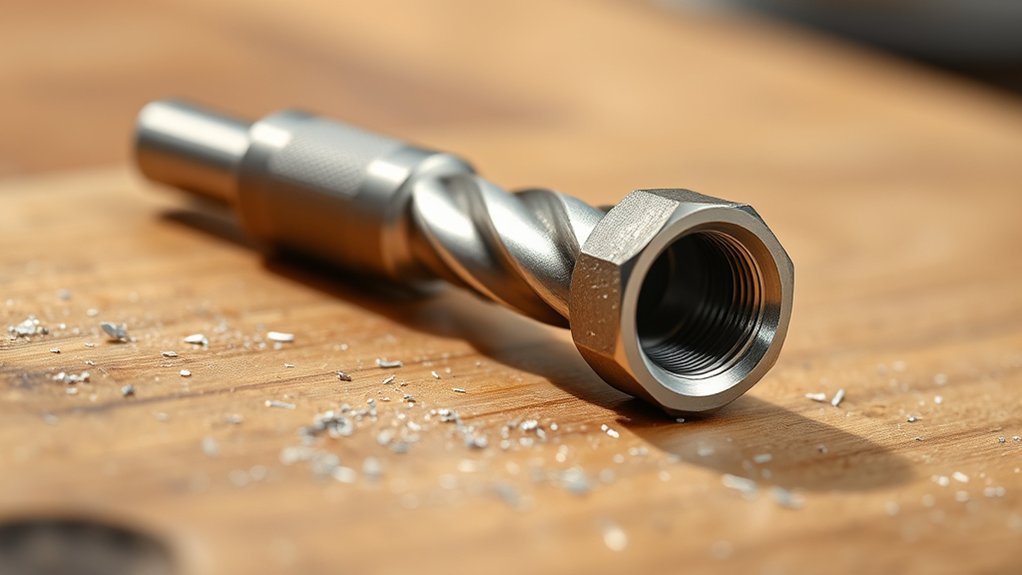
You need to select a drill bit that matches the recommended diameter for your M8 rivnut to confirm a proper fit. Using a sharp, high-quality bit will help produce a clean, precise hole, reducing deformation around the edges.
After drilling, remove any burrs or debris to maintain hole integrity and assure secure rivnut installation.
Choosing Proper Drill Bit
Although selecting the correct drill bit size is essential for M8 rivnuts, understanding the specific diameter required guarantees a secure fit and prevents material damage. When choosing your drill bit, prioritize precision in hole preparation to make certain the rivnut seats properly and the installation remains durable under stress.
Consider these technical tips:
- Use a drill bit specifically sized for M8 rivnuts, typically 10mm diameter.
- Opt for a high-quality, sharp drill bit to minimize material deformation.
- Match drill bit type to the material. Use cobalt bits for metals, HSS for softer substrates.
- Maintain perpendicular drilling to avoid oval holes.
- Control drill speed to reduce heat and material wear.
Following these guidelines guarantees ideal hole dimensions and a reliable rivnut installation.
Ensuring Hole Cleanliness
After selecting the correct 10mm drill bit and preparing to create the hole for your M8 rivnut, focus on maintaining hole cleanliness to guarantee proper seating and secure fastening. Effective hole preparation involves precise drilling, avoiding burrs or irregular edges that can compromise rivnut installation.
Use a countersink tool or deburring blade immediately after drilling to remove sharp edges. Next, perform thorough debris removal; metal shavings or dust trapped inside the hole can prevent the rivnut from seating flush and lead to alignment issues. Employ compressed air or a small brush to clear out all residue.
Ensuring a clean, properly prepared hole improves rivnut grip strength and extends the hardware’s durability. Don’t overlook this vital step. It’s essential for reliable, long-lasting fastening performance.
What to Do If Your Hole Doesn’t Fit Your M8 Rivnut
If the hole drilled for your M8 rivnut doesn’t provide a snug fit, it can compromise the fastening’s strength and stability. Address this issue promptly using precise hole enlargement techniques or consider alternative fasteners for a secure installation.
A loose M8 rivnut hole weakens fastening; fix with precise adjustments or alternative fasteners for secure strength.
Use a reamer to slightly enlarge the hole for an exact M8 rivnut fit.
Employ a step drill bit to carefully adjust hole diameter without damaging material integrity.
Insert a properly sized sleeve or bushing to compensate for an oversized hole.
Switch to a larger rivnut size if the hole is considerably large, adjusting drill bit accordingly.
Consider alternative fasteners, such as welded nuts or threaded inserts, if modification isn’t feasible.
These methods guarantee mechanical reliability and maintain structural performance in your fastening system.
Common Mistakes to Avoid When Drilling for M8 Rivnuts
When drilling for M8 rivnuts, you must avoid common errors that can weaken the fastening or damage the material. One frequent mistake is failing to maintain proper hole alignment; misaligned holes compromise the rivnut’s grip and can cause uneven load distribution.
Additionally, neglecting to control drill depth risks either insufficient engagement or material perforation, both reducing fastening reliability. Using an incorrect drill bit size also leads to poor fitment, but precise hole alignment and accurate drill depth are equally critical.
Always verify the drill bit diameter matches the rivnut specifications and use depth stops or collars to guarantee consistent hole depth. By focusing on these technical details, you guarantee ideal rivnut performance and structural integrity.
Conclusion
Choosing the right drill bit size for your M8 rivnut isn’t just a step—it’s the linchpin of a secure, lasting fit. By using a precise 13mm bit, you avoid the pitfalls of weak fastening or material damage.
Remember, a perfect hole is your rivnut’s best friend, ensuring strength and durability. So, don’t gamble with size—measure, drill, and install with confidence.
Because every millimeter counts when it comes to fastening integrity, knowing what size drill bit for M8 rivnut is essential for a reliable installation.