When you’re installing a 1/4-20 rivnut, choosing the correct drill bit size is critical to guarantee a secure fit and maintain structural integrity.
Using a drill bit that’s too small can deform the rivnut during installation, while one that’s too large may cause a loose fit and reduced load capacity.
The precise size depends on the rivnut’s outer diameter and the material thickness, but what specific drill bit diameter will give you the best results?
Selecting the right drill bit ensures the rivnut seats properly and provides the strength needed for your application.
Why the Right Drill Bit Size for 1/4-20 Rivnuts Matters
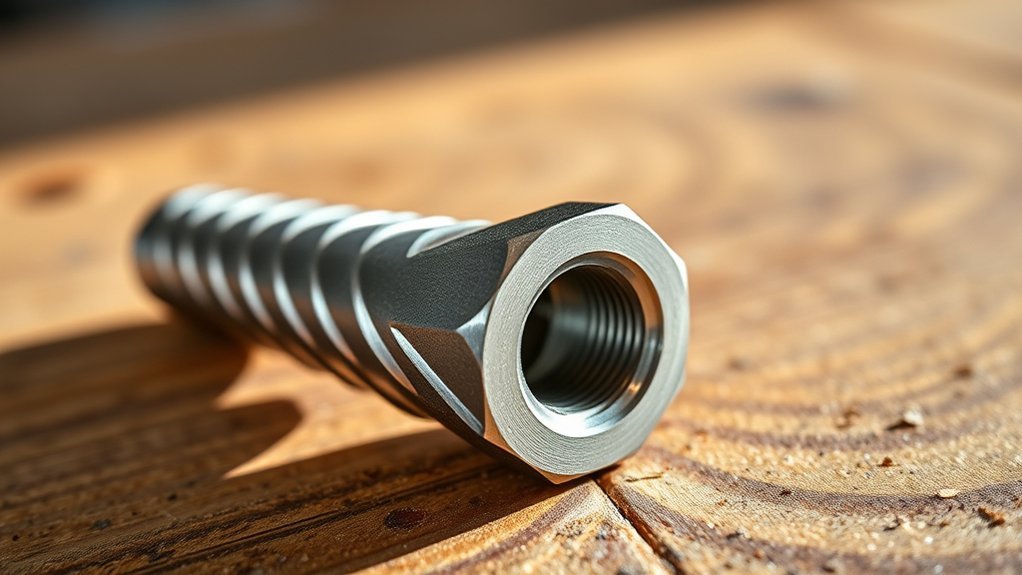
Because the correct drill bit size guarantees proper fit and secure installation, you must use the right bit when preparing holes for 1/4-20 rivnuts. Choosing the ideal drill bit size is critical to rivnut installation; an undersized hole will prevent the rivnut from seating fully, causing deformation or weak threads.
Conversely, an oversized hole compromises grip strength, leading to loose fittings and potential failure under load. Your drill bit selection directly affects the mechanical integrity of the assembly and the rivnut’s load-bearing capacity.
Precision in hole diameter assures consistent rivnut expansion and reliable thread engagement. As a result, selecting the correct drill bit size is not just a procedural step but a technical necessity to achieve the best performance and durability in rivnut installation.
What Drill Bit Size Do You Need for a 1/4-20 Rivnut
When drilling for a 1/4-20 rivnut, what drill bit size should you choose to ascertain a secure fit? Typically, a 13/32 inch (0.406 inch) drill bit works best for rivnut installation. This size guarantees the hole accommodates the rivnut’s outer diameter without excess play, enabling proper deformation and grip.
Choose drill bit materials based on your workpiece. High-speed steel (HSS) bits suit softer metals; cobalt or carbide bits excel in harder materials.
| Rivnut Size | Recommended Drill Bit | Drill Bit Material |
|---|---|---|
| 1/4-20 | 13/32 inch (0.406″) | HSS for soft metals |
| 1/4-20 | 13/32 inch (0.406″) | Cobalt for hardened steel |
| 1/4-20 | 13/32 inch (0.406″) | Carbide for composites |
Use the proper bit to optimize rivnut installation quality.
How Material Thickness Affects Your Drill Bit Choice
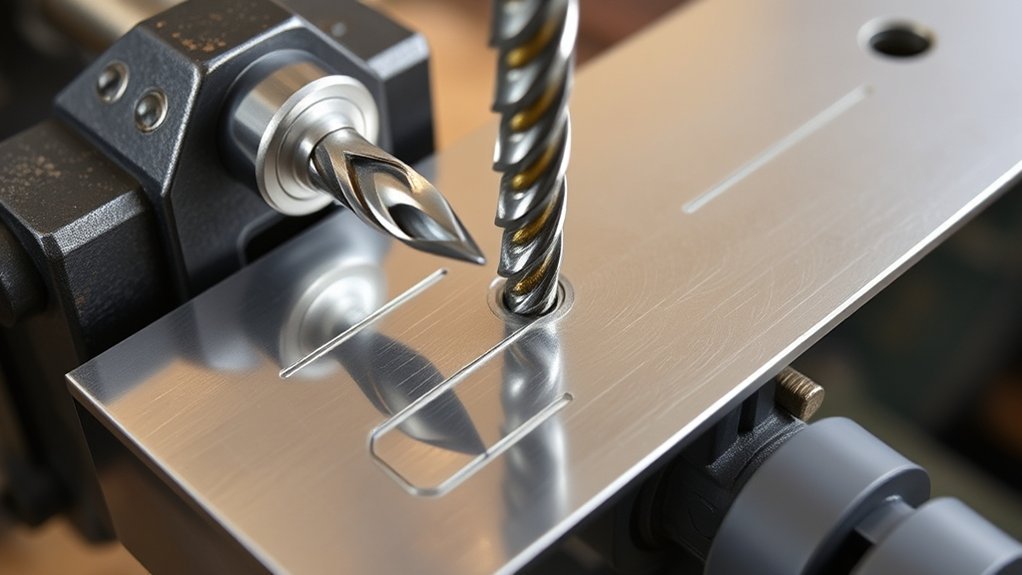
You’ll need to measure the material thickness accurately before selecting your drill bit size. Thicker materials may require a slightly larger drill bit to accommodate the rivnut’s body and guarantee proper installation.
Adjusting your drill bit size based on thickness helps achieve a secure fit and prevents material damage.
Material Thickness Measurement
Three critical factors determine the ideal drill bit size for installing a 1/4-20 rivnut, with material thickness being paramount. Accurately measuring this thickness guarantees proper rivnut seating and optimal thread engagement. Use precise measurement techniques, such as calipers or micrometers, to gauge the material thickness.
Material gauges also provide a quick, reliable reference, especially for sheet metals. Once you know the thickness, you can select a drill bit size that accommodates the rivnut’s sleeve length without compromising structural integrity. Keep in mind that thicker materials may require a slightly larger hole to allow full rivnut expansion, while thinner materials demand tighter tolerances to prevent pull-through.
Accurate thickness measurement prevents installation issues and guarantees a secure, durable fastening with your 1/4-20 rivnut.
Drill Bit Size Adjustment
Knowing the exact material thickness lets you fine-tune your drill bit size for a 1/4-20 rivnut installation. Thicker materials require slightly larger holes to guarantee proper rivnut seating, while thinner materials demand tighter tolerances.
You should consider drill bit compatibility carefully. Adjustable drill bits help you adapt hole sizes precisely to varying thicknesses, improving grip and thread engagement.
| Material Thickness (in) | Recommended Drill Bit Size (in) |
|---|---|
| 0.040 | 0.281 (18/64) |
| 0.063 | 0.289 (19/64) |
| 0.090 | 0.296 (19/64) |
| 0.125 | 0.303 (19/64) |
| 0.187 | 0.312 (20/64) |
Adjust your drill bit size following this table to optimize rivnut installation quality.
How to Measure for a Perfect 1/4-20 Rivnut Hole
Accurately measuring the hole for a 1/4-20 rivnut guarantees a secure fit and reliable fastening. Begin by determining the recommended hole diameter specified by the rivnut manufacturer, typically around 7/16 inch (0.4375 inch) for a 1/4-20 size. Use a calibrated caliper to measure the rivnut’s outer diameter, ensuring your hole diameter matches precisely.
Mark the drilling point on your workpiece, then confirm the drill bit size against the rivnut’s outer diameter. Keep in mind that too small a hole prevents proper rivnut installation, while too large compromises thread engagement. Use a depth gauge or stop collar on your drill bit to maintain consistent hole depth.
This careful measurement process optimizes rivnut installation, enhancing joint strength and durability.
Drill Bit Types Best Suited for 1/4-20 Rivnuts
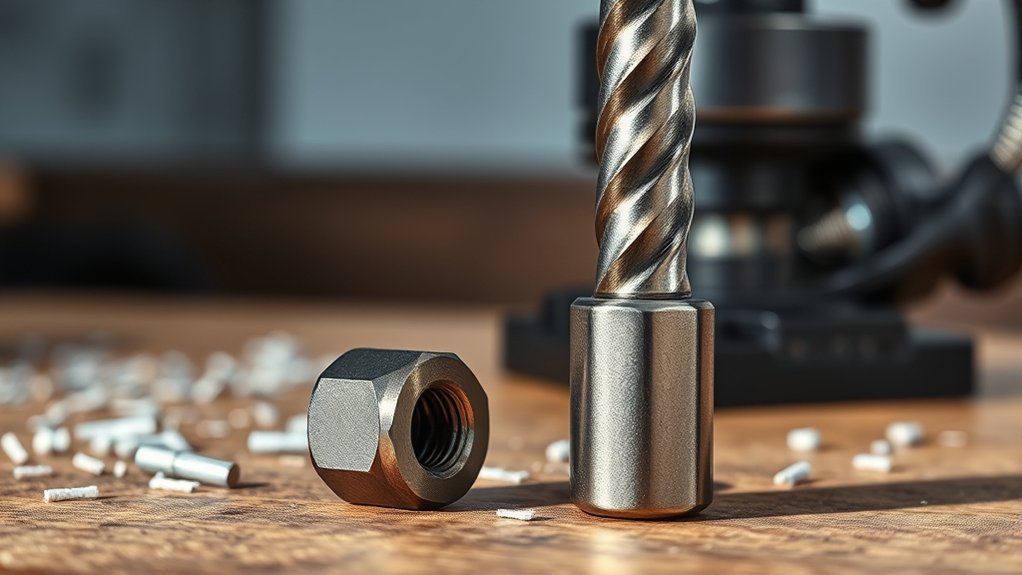
Choosing the right drill bit material and design directly affects the quality of your 1/4-20 rivnut installation. Using unsuitable drill bit materials can lead to imprecise holes, damaging the rivnut’s grip and compromising strength. For ideal rivnut installation, select drill bits that provide clean, accurate holes in your substrate.
Here are the best drill bit types suited for 1/4-20 rivnuts:
Cobalt steel bits: Excellent for metal, maintain sharpness under heat.
Carbide-tipped bits: Ideal for hard materials, resist wear and breakage.
High-speed steel (HSS) bits: Versatile for softer metals and plastics, cost-effective.
Choosing drill bits with appropriate materials guarantees hole precision and durability, directly impacting rivnut performance and longevity.
Step-by-Step Guide to Drilling the Right Hole
You’ll start by selecting the exact drill bit size specified for the 1/4-20 rivnut to guarantee a proper fit. Next, prepare your work surface by securing the material firmly and marking the drilling spot accurately.
Finally, apply steady pressure and maintain a perpendicular angle while drilling to create a clean, precise hole.
Choosing Correct Drill Size
Selecting the correct drill bit size is essential to confirm a secure and flush fit for a 1/4-20 rivnut. Start by choosing a drill bit slightly larger than the rivnut’s outer diameter to facilitate proper insertion without excess play. Consider the following factors:
Use drill bit materials compatible with your workpiece to maintain precision and avoid wear. Verify hole alignment to prevent misfits or cross-threading during rivnut installation. Confirm the drill bit diameter matches manufacturer specifications for 1/4-20 rivnuts, typically around 7/16 inch.
Accurate sizing minimizes deformation and guarantees the rivnut seats properly. Always measure the bit before drilling, and consider test drilling on scrap material. This approach assures peak rivnut performance and structural integrity in your assembly.
Preparing Work Surface
Before drilling the hole for a 1/4-20 rivnut, prepare your work surface by ensuring it is clean, flat, and securely clamped. Thorough area preparation prevents material movement, ensuring hole accuracy and rivnut fit.
Remove debris, oil, or rust to maintain drill bit engagement and prevent slippage. Confirm the work surface is stable on a solid base to avoid vibrations that can cause misalignment.
Use clamps or a vise to immobilize the material firmly without deformation. Mark the drilling location precisely with a center punch to guide the drill bit.
Proper area preparation on the work surface sets the foundation for an accurate hole size, essential for a secure rivnut installation. Neglecting this step risks improper alignment and rivnut failure.
Drilling Technique Tips
Begin drilling with a steady hand and consistent speed to guarantee a clean, accurate hole for the 1/4-20 rivnut. Maintain a suitable drilling speed to prevent overheating and bit wear, which can compromise hole quality.
Apply bit lubrication periodically to reduce friction and extend tool life, especially when drilling metal. Follow these key tips:
- Use a drill press or guide to guarantee perpendicular drilling.
- Start with a center punch to stabilize the bit and avoid wandering.
- Clear metal shavings frequently to maintain visibility and prevent clogging.
When Should You Use a Pilot Hole Before Installing a Rivnut?
Although you can install a rivnut directly into many materials, using a pilot hole becomes essential when working with hard or thick substrates. The pilot hole importance lies in guiding the rivnut accurately and reducing material stress during installation.
By drilling a precise pilot hole, you guarantee alignment, avoid deformation, and maintain structural integrity. This step enhances installation efficiency by minimizing effort and preventing damage to both the rivnut and the base material.
You should use a pilot hole whenever the material hardness exceeds moderate levels or when thickness compromises direct insertion. Additionally, in composite or layered materials, pilot holes prevent delamination.
Incorporating a pilot hole in these scenarios streamlines the process, assures consistent rivnut seating, and ultimately extends the durability and reliability of your fastening solution.
Common Drilling Mistakes to Avoid With 1/4-20 Rivnuts
When installing 1/4-20 rivnuts, you must avoid common drilling errors that compromise fit and strength. Precise drilling techniques are essential to guarantee the rivnut seats flush and maintains load integrity. Avoid these common errors:
- Using an incorrect drill bit size, which leads to loose or overly tight rivnut fit.
- Drilling off-center holes that cause misalignment and weaken the assembly.
- Applying excessive pressure, resulting in burrs or deformed hole edges that interfere with rivnut installation.
Tips for Drilling Clean, Accurate Holes for 1/4-20 Rivnuts
To guarantee a secure fit for your 1/4-20 rivnuts, you need to drill holes that are clean and perfectly sized. Start by selecting the correct drill bit to match the rivnut’s outer diameter for precise hole alignment.
Use a center punch to mark the exact drilling point, preventing bit wander and guaranteeing accuracy. Maintain consistent drill depth by setting a depth stop or tape on the bit, avoiding oversized holes that compromise rivnut grip.
Drill at a steady speed with firm, controlled pressure to prevent burrs and irregular edges. After drilling, deburr the hole edges to guarantee smooth insertion and alignment of the rivnut.
Following these steps will deliver clean, accurately sized holes, ensuring peak rivnut performance and secure fastening.
Conclusion
Choosing the right drill bit size for your 1/4-20 rivnut installation isn’t just a suggestion—it’s a subtle art that guarantees lasting strength and fit. Using a 13/32 inch bit gently invites the rivnut to settle perfectly without unnecessary wiggle room.
Remember, the right bit type and careful drilling keep your work from becoming “less than ideal.” Mastering these details saves you from future adjustments and assures a professional, reliable finish every time.
When installing a 1/4-20 rivnut, selecting the correct drill bit size is crucial for a secure hold and proper fit. This attention to detail ensures your project’s success.