Drilling into Hardie board requires using the right kind of drill bit to ensure a clean and efficient job. Hardie board, being a fiber cement material, is much tougher than wood or metal and demands special attention.
Using the wrong drill bit can lead to cracking, excessive wear, and frustration. Choosing the right bit not only protects your investment but also makes the drilling process smoother and faster.
Understanding which drill bits work best with Hardie board saves time and effort, helping you complete your project without unnecessary setbacks.
Why Using the Right Drill Bit Prevents Hardie Board Damage
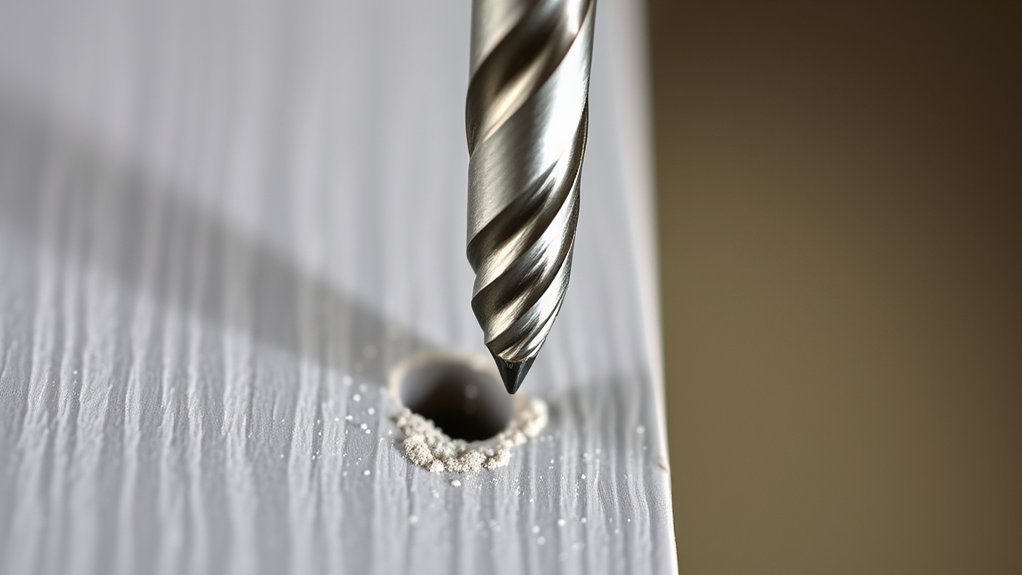
When you use the right drill bit on Hardie board, you prevent cracks and chips that can compromise its durability. Choosing a drill bit made from high-quality materials guarantees drill bit durability, allowing it to cut smoothly without damaging the board.
A bit designed specifically for fiber cement reduces the risk of breakage during installation, saving you time and money. This precision directly impacts installation efficiency, letting you work faster while maintaining clean, accurate holes.
Using the wrong bit, on the other hand, can cause splintering around the holes, weakening the board and prolonging your project. To protect your Hardie board and get the job done efficiently, always select a drill bit engineered for this tough material.
This choice is key to a professional, long-lasting installation.
Why Is Hardie Board Hard to Drill?
Because Hardie board combines cement and cellulose fibers, it presents a dense, abrasive surface that wears down standard drill bits quickly. You’ll face drilling challenges due to this material density, which demands tools designed to withstand tough conditions.
Ordinary bits dull fast, reducing efficiency and risking damage to the board. You need to maintain steady pressure and proper speed to avoid cracking or chipping the surface. The composite nature of Hardie board means it doesn’t behave like wood or metal during drilling, requiring careful technique.
Understanding why it’s hard to drill helps you prepare adequately and select the right equipment, ensuring clean holes without compromising the board’s integrity. Addressing these challenges upfront saves time and prevents costly mistakes during installation.
Best Drill Bits for Hardie Board Installation
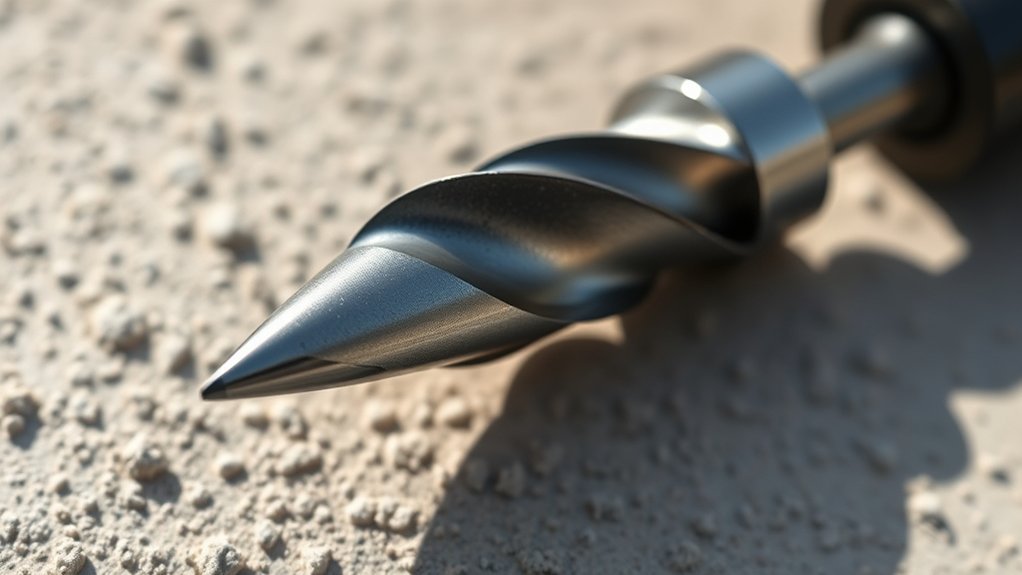
To install Hardie board effectively, you need the right drill bits designed for its tough surface. Choosing bits made from durable materials like carbide or titanium will make your work smoother and extend tool life.
I’ll also share essential tips to help you drill cleanly without damaging the board.
Types Of Drill Bits
Choosing the right drill bit is essential for a smooth Hardie board installation. You’ll encounter various drill bit types, each designed for specific materials and tasks.
For Hardie board, you want bits that can handle fiber cement without chipping or dulling quickly. Common drill bit types include twist bits, spade bits, and carbide-tipped bits. Twist bits are versatile but may wear out fast on Hardie.
Spade bits are better for larger holes but can cause splintering. Carbide-tipped bits are specifically designed for tough materials like fiber cement and offer durability and clean cuts.
Understanding drill bit materials is equally important, but we’ll cover those details separately. Focus on selecting the right type to guarantee efficient, damage-free drilling throughout your Hardie board project.
Drill Bit Material Options
Selecting the right drill bit type sets the foundation, but the material of the bit determines how well it performs against Hardie board’s tough fiber cement surface. You want a bit that resists wear and maintains sharpness during the job.
Here are common drill bit materials and coatings to take into account:
- Carbide-tipped bits: Extremely durable, ideal for fiber cement.
- High-speed steel (HSS) bits: Affordable but wear faster on Hardie board.
- Cobalt bits: Stronger than HSS, hold up better under heat.
- Diamond-coated bits: Offer superior cutting and longevity, though pricier.
Choosing the right drill bit material paired with appropriate drill bit coatings guarantees clean, efficient holes without damaging the board or your tools. Always match drill bit types and coatings to the demands of Hardie installation for best results.
Tips For Drilling Hardie
You’ll need the right drill bits and techniques to tackle Hardie board effectively. Proper drill bit selection guarantees clean holes without damaging the fiber cement.
Use carbide-tipped or diamond-tipped bits for durability. Maintain a slow drilling technique to prevent overheating and dust buildup. Keep your drill perpendicular to the surface for accuracy.
| Tip | Explanation |
|---|---|
| Use carbide/diamond bits | Resist wear and cut efficiently |
| Slow drilling speed | Avoids overheating and material damage |
| Steady pressure | Prevents cracking or chipping |
| Perpendicular angle | Guarantees precise, clean holes |
| Clear debris frequently | Maintains bit sharpness and hole quality |
Follow these tips to optimize your drill bit selection and drilling technique when working with Hardie board.
Masonry vs. Hardie Board Drill Bits: When to Use Each
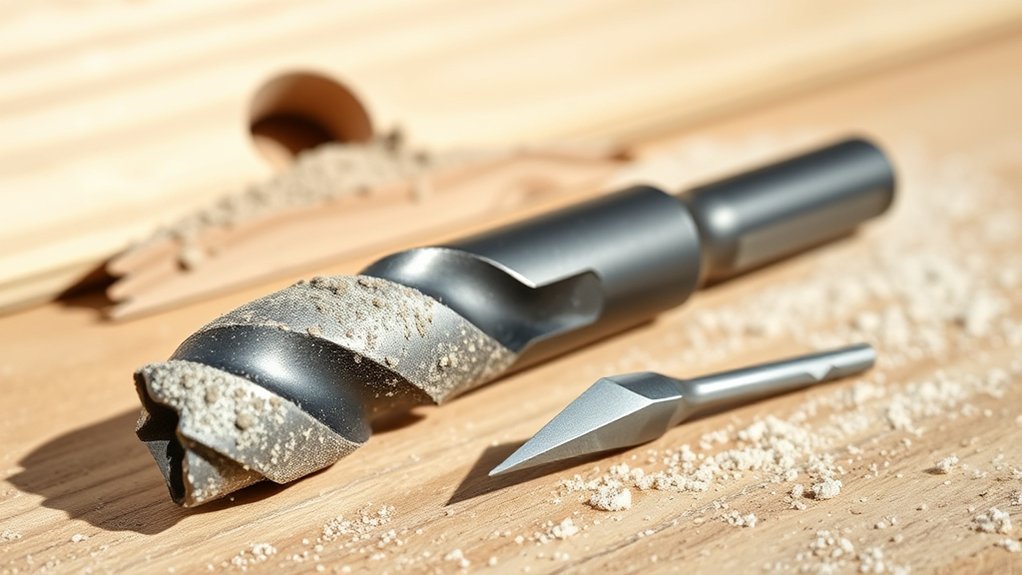
You’ll notice masonry and Hardie board drill bits differ mainly in material and design, affecting their performance on fiber cement. Use masonry bits for brick or concrete, but switch to Hardie board bits to avoid cracking and guarantee cleaner holes.
Choosing the right bit saves time and prevents damage during installation.
Drill Bit Material Differences
Although both masonry and Hardie board drill bits look similar, their material composition and design cater to different tasks. Understanding drill bit types and drill bit coatings helps you pick the right one.
Masonry bits typically feature tungsten carbide tips designed to grind through concrete or brick, while Hardie board bits prioritize durability and cleaner cuts on fiber cement.
Key differences include:
- Material Composition: Masonry bits use carbide for hardness; Hardie bits often combine carbide with specialized coatings for abrasion resistance.
- Tip Design: Masonry bits have blunt tips for chiseling; Hardie bits have sharper tips for precision.
- Coatings: Hardie board bits often have TiN or diamond coatings to reduce friction.
- Durability: Hardie bits resist edge wear better on fiber cement.
Choose based on these factors to guarantee efficient, clean drilling.
Application Suitability Comparison
Choosing the right drill bit depends on the material you’re working with and the results you want. Masonry drill bits are designed for concrete, brick, and stone, featuring carbide tips that handle the hardness and abrasiveness of these surfaces.
However, when working with Hardie board, you need drill bit types that prevent cracking and chipping, typically those with a spear-point or multi-faceted tip. Using masonry bits on Hardie board can cause damage due to aggressive cutting action.
Your installation techniques should match the bit type: slower speeds and steady pressure work best with Hardie board to avoid splintering. In contrast, masonry bits require higher speed and hammer action for effective drilling.
Understanding these differences guarantees clean holes and durable installations every time.
Performance On Hardie Board
When working with Hardie board, using the right drill bit greatly affects the quality and durability of your installation. Performance metrics like bit wear, hole precision, and heat buildup vary markedly between masonry and Hardie board drill bits. You’ll want to select based on your drilling techniques and material specifics.
Consider these points:
- Hardie board bits reduce chipping and cracking compared to masonry bits.
- Masonry bits excel in drilling through concrete or brick but may cause excessive wear on Hardie board.
- Proper speed and pressure optimize hole quality and bit lifespan.
- Sharp, carbide-tipped Hardie board bits maintain performance metrics over extended use.
Choosing the correct bit and applying proper drilling techniques guarantees clean holes, minimizes damage, and extends tool life when working with Hardie board.
How to Choose Carbide Drill Bits for Hardie Board
Since Hardie Board is a dense fiber cement material, you’ll need carbide drill bits designed to withstand high heat and abrasion. Choosing the right drill bit involves understanding carbide benefits, such as durability and heat resistance, which guarantee clean, precise holes without dulling quickly.
Focus on drill bit selection that matches your project needs. Size, tip design, and shank compatibility matter.
| Feature | Importance |
|---|---|
| Carbide Tip | Resists wear, maintains sharpness |
| Size Variety | Matches hole requirements |
| Shank Type | Guarantees stable chuck fit |
How to Drill Clean Holes in Hardie Board
Having the right carbide drill bit is just the start; drilling clean holes in Hardie Board requires proper technique to avoid cracking or chipping. To master the best drilling techniques, focus on controlled speed and steady pressure.
Using the right carbide bit and steady, controlled pressure is key to drilling clean holes in Hardie Board.
Avoid common drilling issues like overheating and surface damage by following these tips:
- Use a slow to medium drill speed to reduce heat buildup
- Apply firm, consistent pressure without forcing the bit
- Start with a small pilot hole to guide the larger bit
- Keep the drill perpendicular to the board for clean edges
Common Drilling Mistakes With Hardie Board
Although drilling into Hardie Board might seem straightforward, many people make avoidable mistakes that lead to cracked edges, oversized holes, or damaged surfaces. One of the most common mistakes is applying too much pressure or using excessive speed, which can cause the board to chip or splinter.
Another frequent error is neglecting to use the right drilling techniques, such as starting with a pilot hole or using a carbide-tipped drill bit designed for cementitious materials. Failing to secure the board firmly also results in movement during drilling, producing uneven holes.
Avoiding these common mistakes guarantees cleaner cuts and preserves the integrity of your Hardie Board. Stick to proper drilling techniques, maintain steady pressure, and choose the correct drill bit to get the best results every time.
Tips to Extend Your Drill Bit’s Life With Hardie Board
Choosing the right drill bit and using proper techniques help prevent damage to your Hardie Board, but you also need to care for your tools to keep them performing well. Following drill maintenance tips guarantees your bits last longer and cut cleaner.
Clean the bit after every use to remove dust and debris. Use bit sharpening techniques regularly to maintain a sharp edge and reduce heat buildup.
Avoid excessive pressure while drilling to prevent premature wear and overheating. Store bits in a dry, organized case to prevent rust and damage.
Where to Find Good Drill Bits for Hardie Board
Where can you find reliable drill bits that handle Hardie Board without dulling quickly? The best retailers for these specialized bits include major hardware stores like Home Depot and Lowe’s, where you can inspect quality firsthand.
Find reliable Hardie Board drill bits at major retailers like Home Depot and Lowe’s for quality you can trust.
For convenience and variety, online options such as Amazon and specialized tool websites offer competitive prices and customer reviews to help you make an informed choice. Look specifically for carbide-tipped or diamond drill bits designed for fiber cement.
Avoid general-purpose bits, as they won’t last or perform well. By choosing from reputable sources and focusing on bits made for Hardie Board, you’ll get durability and efficiency, saving time and money on your projects.
Always check product specifications and user feedback before purchasing.
Conclusion
Choosing the right drill bit for Hardie board isn’t just about the tool—it’s about protecting your project and saving time. When you use carbide-tipped or diamond-coated bits, you’re not only drilling efficiently but also preserving the board’s integrity. These bits are designed to handle the toughness of fiber cement without dulling quickly.
It’s no coincidence that the best results come from the best bits; the right choice makes all the difference. Using the proper bit reduces the risk of cracking or chipping the Hardie board, ensuring a clean, professional finish every time.
So, don’t settle for less—equip yourself properly and drill with confidence every time. Remember, selecting the right drill bit for Hardie board is key to a successful and durable installation.