When you pick up a drill bit, you’re equipping yourself to create clean, precise holes in a variety of materials—from wood to metal and plastic.
The main use for drill bits is to bore holes efficiently and accurately, which is essential in many DIY projects and professional tasks.
Understanding the specific function of each drill bit type guarantees you don’t compromise the integrity of your project.
But beyond just making holes, how you select and use the right bit can greatly affect both efficiency and outcome.
Let’s examine what makes drill bits indispensable in technical work.
Their design and material composition allow them to tackle different surfaces, ensuring durability and precision every time you drill.
What Are Drill Bits Used For in Everyday Projects?
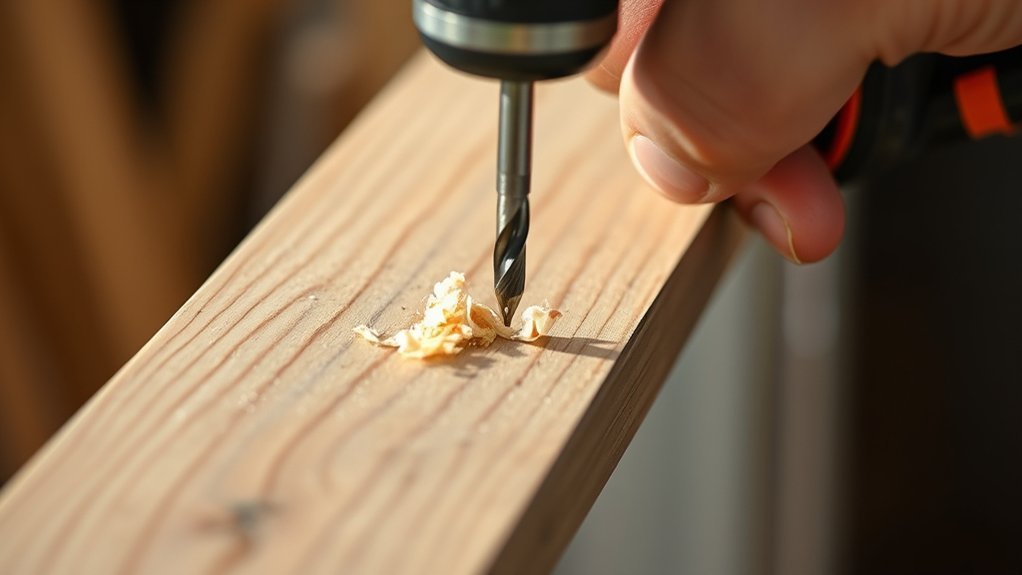
Although you may not realize it, drill bits play an essential role in a wide range of everyday projects by enabling precise hole creation in various materials such as wood, metal, and plastic. When you engage in everyday drilling, you rely on drill bits to perform tasks like assembling furniture, installing fixtures, or mounting shelves.
Drill bit applications extend beyond simple hole-making; they guarantee accuracy in diameter and depth, critical for structural integrity. You must select the appropriate drill bit to match the material and project requirements, as this affects efficiency and finish quality.
Proper use of drill bits minimizes material damage and enhances the durability of your work. Understanding these applications helps you optimize tool performance and achieve reliable results in routine drilling tasks.
The Main Types of Drill Bits and Their Uses
You’ll encounter several common drill bit varieties designed for general tasks, each optimized for specific materials like wood, metal, or masonry. Understanding material-specific drill bits guarantees you select the right tool for precise, efficient drilling without damaging your workpiece.
Additionally, specialty drill bits serve unique functions, such as creating countersinks or enlarging holes, which are essential for advanced applications.
Common Drill Bit Varieties
When selecting drill bits, understanding their specific varieties is essential because each type is engineered for distinct materials and applications. Drill bit materials, such as high-speed steel (HSS), cobalt, and carbide, influence durability and cutting efficiency.
You’ll find that drill bit shapes vary considerably: twist bits are versatile for general use, spade bits excel at rapid wood drilling, and masonry bits feature a carbide tip for penetrating concrete. Brad point bits offer precision in woodwork, while step bits allow varied hole sizes in thin materials.
Each shape maximizes chip removal and cutting angles to suit its target material. By aligning drill bit materials and shapes with your project’s demands, you guarantee peak performance, longevity, and safety during operation.
Material-Specific Drill Bits
Since each material demands specific cutting characteristics, choosing the correct drill bit type is crucial for efficiency and tool longevity. For metal drilling, you’ll want high-speed steel (HSS) or cobalt drill bits. These materials resist heat and maintain sharpness under the friction generated by dense metals.
For wood drilling, spade bits or brad-point bits provide precise, clean cuts without tearing the fibers. The spade bit’s flat design rapidly removes wood chips, while the brad-point bit guarantees accurate entry and minimal splintering.
Using a drill bit designed for the specific material prevents premature wear and improves cutting performance. Selecting the right bit type optimizes your workflow, reduces tool replacements, and delivers clean, precise holes tailored to the mechanical properties of metal or wood.
Specialty Drill Bit Functions
Selecting the right drill bit for your material sets the stage for understanding the specific functions of various specialty drill bits. These bits feature unique designs tailored for specialty applications, such as countersinking, spade drilling, or creating enlarged holes.
For instance, Forstner bits enable flat-bottomed holes with precision, essential in woodworking joinery. Step bits provide incremental hole sizes without changing bits, ideal for thin metals and plastics. You’ll find that masonry bits incorporate tungsten carbide tips to penetrate concrete and stone effectively.
Each specialty bit optimizes performance by addressing material resistance and desired hole characteristics. When you choose the correct specialty drill bit, you enhance accuracy, efficiency, and tool longevity, ensuring your project requirements align precisely with the bit’s engineered function.
How Drill Bits Work on Different Materials
Although drill bits share a common purpose, their effectiveness varies considerably depending on the material being worked on. The interaction between drill bit materials and the substrate determines cutting efficiency and tool longevity.
For instance, high-speed steel bits excel in wood and soft metals, while carbide-tipped bits handle harder materials like stainless steel and ceramics. Drilling techniques, including speed, feed rate, and cooling methods, must align with both the drill bit’s composition and the material’s hardness to prevent overheating or premature wear.
You’ll need to adjust pressure and rotational speed accordingly; excessive force can cause bit deformation, while insufficient speed reduces penetration. Understanding these dynamics allows you to optimize drilling performance, ensuring precision and extending drill bit life across diverse materials.
How to Choose the Best Drill Bit for Your Material
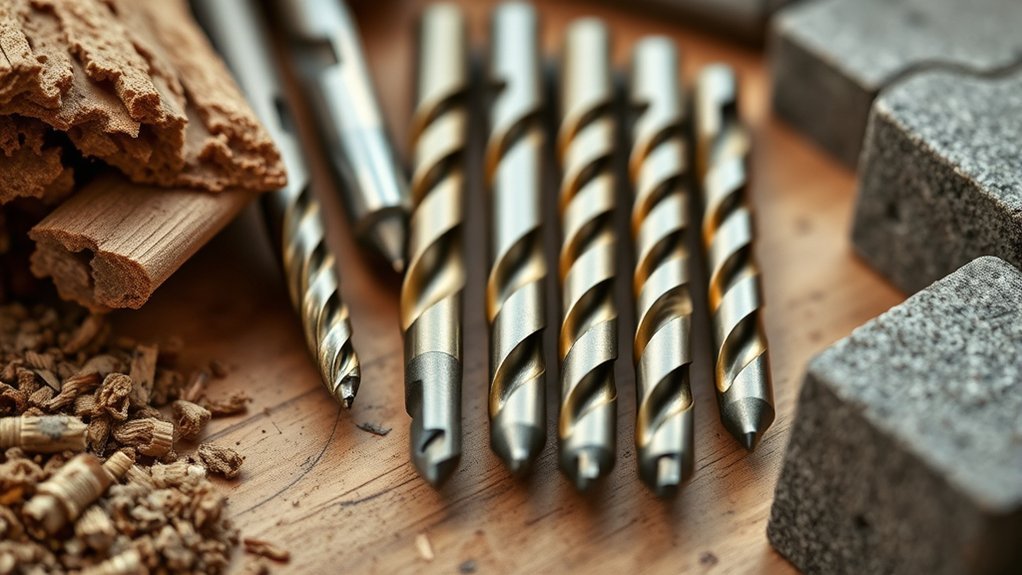
How do you determine the best drill bit for your specific material? Start by analyzing the material’s hardness and composition. Drill bit materials vary. High-speed steel (HSS) suits soft metals and wood, while carbide-tipped bits excel in hardened steel and masonry.
Consider coatings like titanium or cobalt to enhance durability and reduce friction. Next, match drill bit sizes to the task, ensuring compatibility with your drill and the hole’s required diameter. Smaller sizes offer precision for delicate tasks, whereas larger bits handle heavy-duty drilling.
Evaluate the bit’s geometry. Point angle and flute design affect cutting efficiency and chip removal. By systematically evaluating drill bit materials and sizes based on your material’s characteristics and project demands, you’ll optimize performance and prolong tool life.
Why Drill Bit Size Matters When You’re Drilling
When you drill, the size of the bit directly impacts the accuracy and integrity of the hole you create. Selecting the correct drill bit size guarantees drilling accuracy, preventing damage to the material and maintaining structural strength.
Inaccurate drill bit sizes can cause oversized holes, weakening joints or causing misalignment.
Consider these key reasons why drill bit sizes matter:
- Guarantees precise hole diameter for bolts, screws, or dowels
- Maintains material integrity by avoiding unnecessary stress or cracks
- Facilitates proper fit and function of fasteners or components
- Optimizes drilling speed and reduces bit wear by matching size to task
Safety Tips and Best Practices for Using Drill Bits
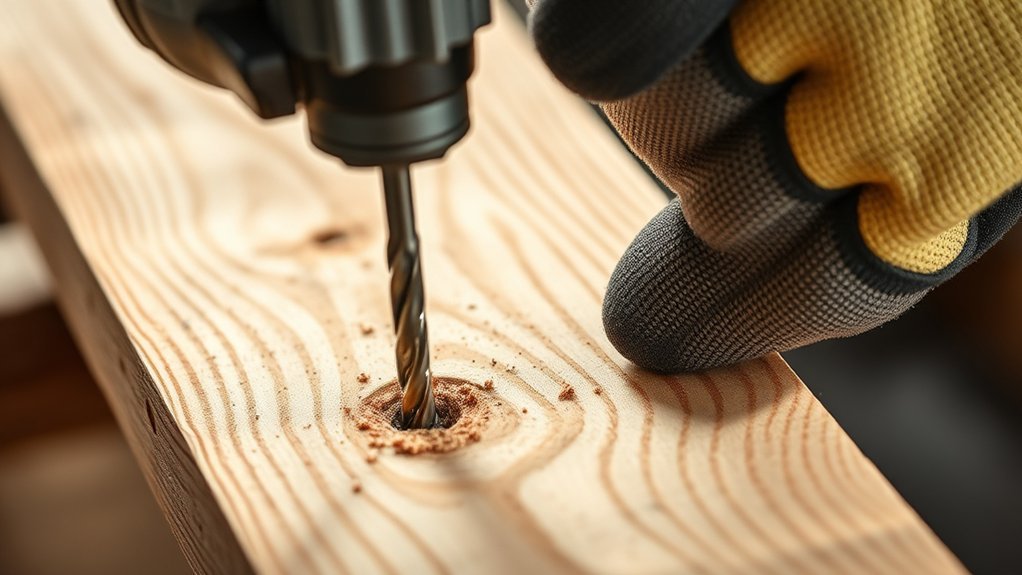
Since drill bits operate at high speeds and encounter various materials, using them safely requires strict adherence to best practices. To guarantee drill bit safety, always wear appropriate personal protective equipment, such as safety goggles and gloves, to protect against debris and potential bit breakage.
Secure the workpiece firmly to prevent movement during drilling, and select the correct drill bit for the material to avoid excessive wear or breakage. Follow manufacturer usage guidelines by operating the drill at recommended speeds and applying consistent pressure without forcing the bit.
Inspect drill bits regularly for signs of damage or dullness before use. By integrating these usage guidelines into your routine, you minimize risks of accidents and maximize drilling efficiency, guaranteeing safe, precise, and reliable operation every time you use drill bits.
How to Maintain and Sharpen Your Drill Bits
You need to clean your drill bits thoroughly to prevent debris buildup that can reduce cutting efficiency. Use the correct sharpening tools, like a bench grinder or specialized bit sharpener, to restore the cutting edges accurately.
Finally, store your bits safely in a designated case to avoid damage and maintain their precision.
Proper Cleaning Techniques
Maintaining the sharpness and cleanliness of your drill bits requires regular attention to prevent buildup and wear that compromise performance. You should use appropriate cleaning solutions and follow maintenance tips precisely to prolong bit life.
Start by removing debris with a stiff brush or compressed air. Then, soak bits in a mild solvent to dissolve grease and resin. Afterward, dry thoroughly to prevent rust.
Follow these steps for effective cleaning:
- Remove surface debris immediately after use.
- Apply specialized cleaning solutions for thorough residue removal.
- Inspect bits for damage or corrosion during cleaning.
- Store bits in a dry, organized container to avoid contamination.
Consistent cleaning guarantees peak cutting efficiency and reduces the need for frequent sharpening.
Sharpening Tools Needed
A set of specialized sharpening tools guarantees your drill bits retain peak cutting performance and longevity. Effective tool maintenance hinges on selecting the right sharpening techniques and equipment tailored to your drill bit type. Precision guarantees the cutting edge restores ideal geometry, reducing drilling effort and heat buildup.
| Tool Type | Purpose | Key Feature |
|---|---|---|
| Bench Grinder | Rapid material removal | Adjustable speed |
| Diamond File | Fine edge refinement | High hardness |
| Sharpening Jig | Consistent angle maintenance | Angle guide |
Use a bench grinder for coarse sharpening, then switch to diamond files for detailed edge work. Employ a sharpening jig to maintain consistent angles, critical for effective tool maintenance and prolonging drill bit life.
Safe Storage Practices
Properly storing drill bits after sharpening prevents damage and preserves their cutting efficiency. Effective drill bit storage minimizes wear and reduces the risk of corrosion or dulling.
For safe handling, you must ascertain the bits are clean and dry before storage to avoid rust. Use dedicated containers or racks designed to hold each bit securely, preventing contact and friction.
Follow these steps for ideal drill bit storage:
- Clean and dry bits thoroughly post-sharpening.
- Arrange bits by size and type in labeled compartments.
- Store in a dry, temperature-controlled environment.
- Handle bits with care to avoid dropping or bending.
Adhering to these practices guarantees longevity and maintains peak performance for your drill bits.
Common Drill Bit Mistakes to Avoid
Although drill bits seem straightforward, many users make avoidable errors that reduce efficiency and tool lifespan. One common mistake is neglecting drill bit compatibility; using bits unsuitable for the material or drill type causes premature wear and poor performance.
Always verify your drill bit selection matches both the material hardness and the drill’s chuck specifications. Another frequent error involves excessive speed or pressure, which overheats and dulls the bit rapidly.
You should apply consistent, moderate pressure and adjust speed according to the bit and material. Additionally, failing to maintain proper coolant or lubrication can degrade bit integrity. By avoiding these mistakes—incorrect compatibility, improper selection, and suboptimal operating conditions—you optimize drilling precision, extend tool life, and improve overall project outcomes.
Conclusion
Think of drill bits as the precise keys releasing the potential of every material you work with. By choosing the right type and size, you guarantee each hole is a perfect gateway, preserving strength and integrity.
When you maintain and use them correctly, these tools become extensions of your skill, cutting clean paths through wood, metal, or plastic. Mastering drill bits means controlling precision and durability.
Ultimately, the main use for drill bits is to create accurate and efficient holes, ensuring your projects stand strong and last long.