You might wonder, can you cut a live wire with pliers safely? The reality, however, is far more complex and hazardous than it seems.
Pliers usually lack the necessary insulation and electrical rating to handle live currents, posing serious risks of shock or short circuits.
Understanding the consequences and proper precautions is essential before considering any action involving energized wiring.
Let’s explore why this seemingly simple task demands careful attention and the right tools.
Can You Cut a Live Wire With Pliers?
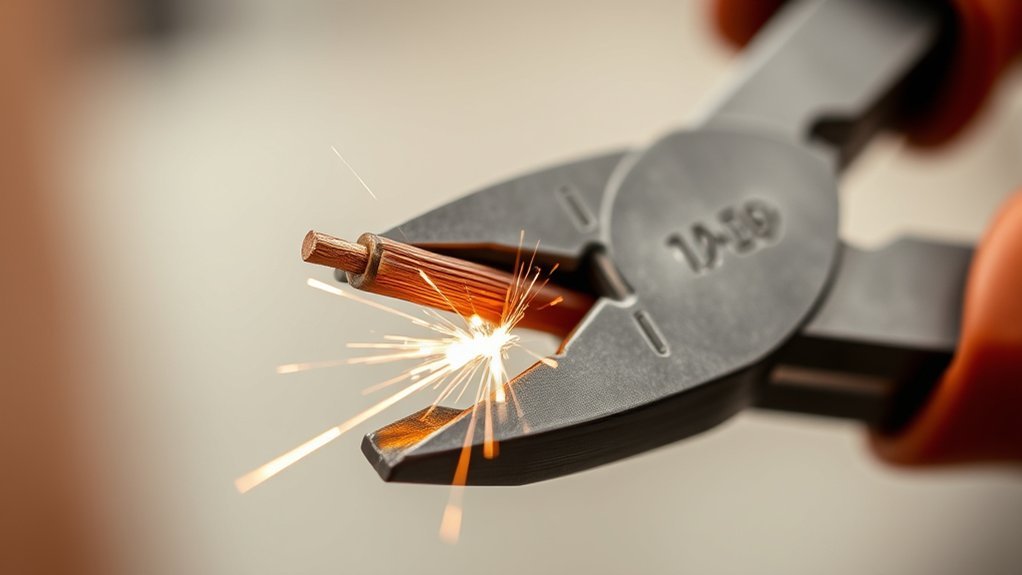
When dealing with electrical wiring, can you safely cut a live wire with pliers? The short answer is no. Pliers are not designed to handle the electrical current present in live wires, posing significant risks to your safety.
For live wire safety, you must avoid tools without proper insulation and rating for electrical work. Instead, use electrical tool alternatives specifically designed for this task, such as insulated wire cutters or cable strippers rated for live circuits.
These tools provide necessary protection against electric shock and guarantee a clean cut without damaging the wire. Always confirm the tool’s voltage rating before use.
Prioritize safety protocols and never attempt to cut live wires with general-purpose pliers to minimize hazards effectively.
Why Cutting Live Wires With Pliers Is Dangerous
You risk a severe electrical shock when you cut a live wire with pliers, as the tool may conduct current directly to you. Additionally, sparks generated during cutting can ignite surrounding materials, creating a serious fire hazard.
Understanding these dangers is essential before attempting any work on live electrical circuits.
Risk Of Electrical Shock
Although pliers are designed for gripping and cutting, they do not provide insulation against electrical currents. When you attempt to cut a live wire with standard pliers, you expose yourself to the risk of electrical shock because the tool’s metal components conduct electricity directly to your hand.
Proper shock prevention relies on using tools with insulated handles specifically rated for electrical work. The presence of wire insulation is critical; it acts as a barrier that prevents current from escaping the conductor and causing harm.
Damaging or bypassing this insulation by cutting live wires without appropriate protection increases the chance of current flowing through your body. To avoid injury, always make sure the power is off or use insulated tools designed for live wire handling.
Potential Fire Hazards
Since cutting live wires with pliers can generate sparks and heat, it considerably increases the risk of igniting nearby flammable materials. When you cut a live wire, the electrical arc can easily compromise the wire insulation, exposing conductive elements and causing unintended short circuits.
These arcs produce high temperatures capable of igniting dust, paper, or other combustible substances around your workspace. To guarantee fire prevention, you must avoid cutting live wires without proper tools and precautions. Using insulated tools and de-energizing circuits before cutting drastically reduces fire hazards.
What Happens If You Cut a Live Wire?
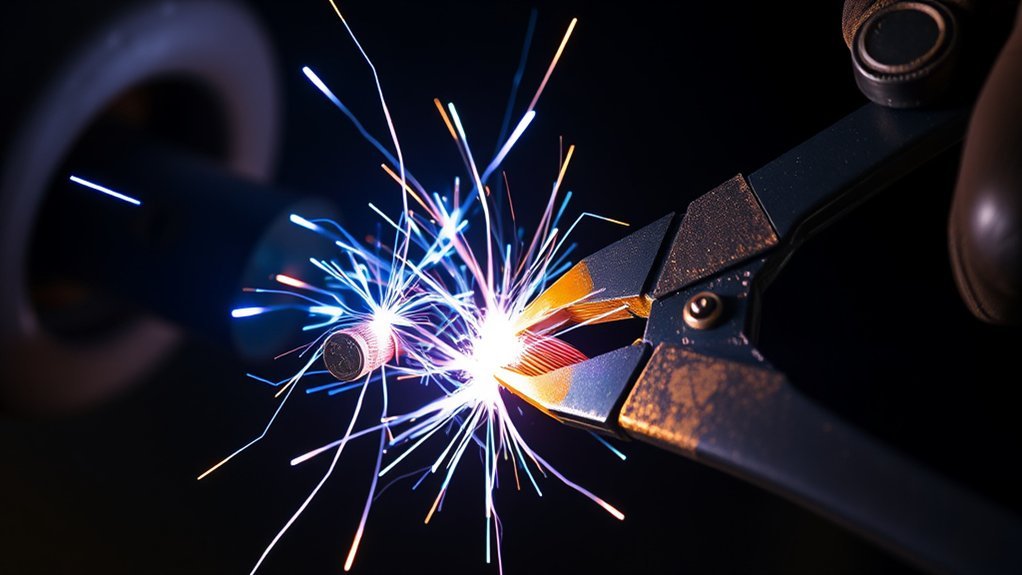
When a live wire is cut, an immediate electrical arc can form, posing severe risks of electric shock, burns, or fire. You must never attempt electrical repairs without proper live wire safety measures. Cutting a live wire can lead to:
- Instantaneous electric shock, potentially fatal or causing severe injury.
- Electrical arcs generating intense heat, risking serious burns.
- Sparks igniting nearby flammable materials, leading to fires.
- Damage to electrical systems, causing outages or costly repairs.
Always guarantee power is completely disconnected before handling wires. Using insulated tools and following strict safety protocols is essential to avoid hazardous outcomes. Your safety depends on respecting the dangers inherent in live electrical wires and adhering to professional standards in electrical repairs.
How to Identify Live Electrical Wires Safely
Before working with any electrical wiring, you must accurately identify live wires to prevent serious injury or damage. Start by turning off the power at the circuit breaker to guarantee safety.
Use wire identification techniques such as non-contact voltage testers, which detect current flow without direct contact. Confirm the presence of voltage by testing known live wires first.
Utilize non-contact voltage testers to safely detect current flow and verify voltage on known live wires first
Observe wire color coding, typically black or red for live wires, but never rely solely on color, as wiring standards can vary. Always wear insulated gloves and use insulated tools during safe wire handling.
Double-check your findings with a multimeter to measure voltage precisely. By following these technical, precise steps, you minimize risks and guarantee you handle live electrical wires safely and effectively.
What Tools Should You Use Instead of Pliers for Live Wires?
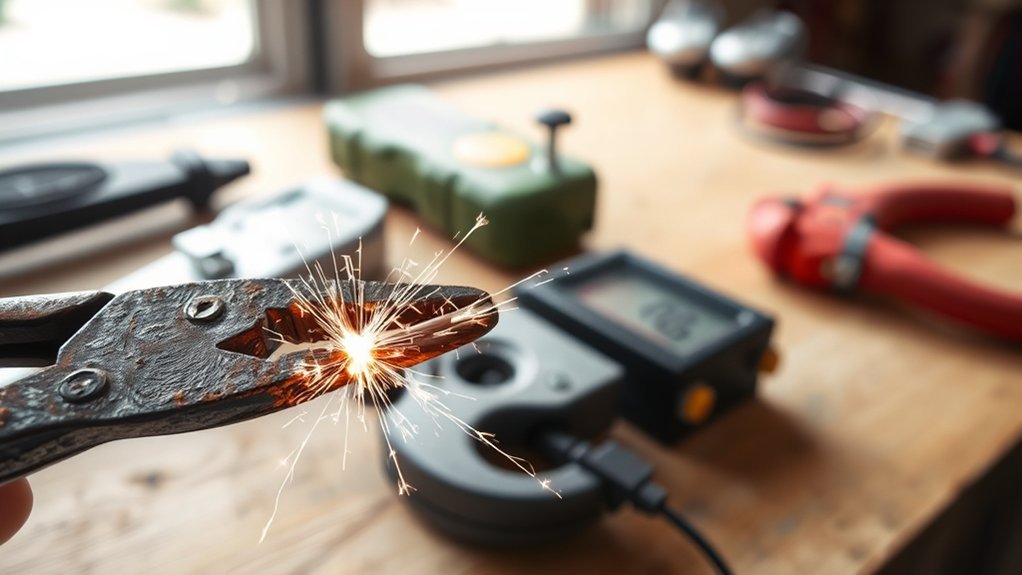
Although pliers are common in many toolkits, they’re not designed for cutting or handling live electrical wires due to the risk of electric shock and tool damage. Instead, you should use tools specifically engineered for safety and efficiency when working with live wires.
Here are four essential tools:
1. Insulated Wire Cutters
Designed with thick, non-conductive handles to prevent shocks while cutting.
2. Wire Strippers with Insulation
Allow precise stripping without damaging the conductor or exposing yourself to live parts.
3. Voltage Testers
Not for cutting, but essential to confirm wire status before work.
4. Insulated Pliers
Use only for gripping or twisting, never cutting live wires.
Always select tools rated for electrical work to maintain safety and tool integrity.
What Protective Gear Do You Need When Working With Live Wires?
When working with live wires, you must wear essential insulating gloves to prevent electrical shock. Don’t forget protective eyewear to shield your eyes from sparks or debris.
Additionally, flame-resistant clothing reduces the risk of injury if an arc flash occurs.
Essential Insulating Gloves
Three critical factors determine the effectiveness of insulating gloves for working with live wires: material composition, voltage rating, and proper fit. You need gloves made from high-quality insulating materials like rubber or latex, designed specifically to withstand electrical currents.
Different glove types serve different purposes; for example, Class 0 gloves protect up to 1,000 volts, while Class 4 gloves can handle up to 36,000 volts. To guarantee maximum protection, follow these guidelines:
- Select gloves rated for the voltage level you’ll encounter.
- Inspect gloves for damage before each use.
- Ascertain gloves fit snugly without restricting movement.
- Use leather protectors over insulating gloves to prevent cuts and punctures.
Wearing the correct insulating gloves minimizes electrical shock risk, making your work with live wires safer.
Protective Eyewear Importance
Anyone working with live wires should never underestimate the importance of protective eyewear. Electric arcs or sparks can cause severe eye injuries instantly.
You must select protective eyewear types specifically designed to withstand high-impact and electrical hazards. Safety glasses with side shields or full-face shields made from polycarbonate are common options.
Verify your eyewear meets recognized eyewear standards such as ANSI Z87.1 or equivalent, which certify impact resistance and electrical insulation properties. Proper fit is essential to prevent debris or sparks from reaching your eyes.
Always inspect your protective eyewear for cracks or damage before use, replacing it if compromised. By adhering strictly to these guidelines, you reduce the risk of catastrophic eye injuries when handling live electrical wires, maintaining both safety and operational precision.
Flame-Resistant Clothing
Beyond protecting your eyes, safeguarding your body from electrical hazards requires specialized flame-resistant clothing. When working with live wires, you must rely on protective workwear made from flame resistant fabrics to minimize burn risks from arcs or sparks.
Here are essential elements to reflect on:
1. Flame-resistant shirts and pants
These garments prevent ignition and self-extinguish quickly.
2. Insulated gloves
Protect your hands from electrical shocks and burns.
3. Arc flash suits
Provide full-body protection in high-risk environments.
4. Flame-resistant hoods and balaclavas
Shield your head and neck from potential flash burns.
Always verify that your protective workwear meets industry safety standards. Using proper flame-resistant clothing greatly reduces injury risk when handling live electrical components.
How to Cut Electrical Wires Safely When the Power Is Off
Before you start cutting electrical wires, verify the power is completely turned off at the circuit breaker or fuse box. Use a voltage tester to confirm no current flows through the wire.
Inspect the wire insulation for damage; compromised insulation can expose live conductors, posing a shock hazard even when power is off. Select insulated wire cutters or pliers designed for electrical work to maintain electrical safety.
Check insulation for damage and use insulated tools to ensure safety while cutting electrical wires.
Hold the wire firmly and cut cleanly without applying excessive force, avoiding damage to surrounding insulation or conductors. Always wear appropriate personal protective equipment, such as insulated gloves and eye protection.
After cutting, ascertain wire ends are properly capped or taped to prevent accidental contact. Following these precise steps minimizes risk and ascertains a safe working environment while handling electrical wiring.
When Should You Call a Professional Instead of Doing It Yourself?
If you encounter exposed wires near water, damaged insulation, or uncertain voltage levels, you should immediately call a professional. Handling these high-risk situations without proper training increases the chance of serious injury or equipment damage.
Licensed electricians have the tools and expertise to manage live wires safely and prevent hazards.
Recognizing Dangerous Situations
Whenever you encounter exposed wiring that sparks, emits smoke, or shows signs of damage, you should immediately stop and contact a professional electrician. Proper wire identification is essential; if you’re uncertain about the wire’s function or voltage, do not proceed.
Electrical safety must be your priority to avoid severe injury or fire hazards. Recognize these dangerous situations where expert intervention is required:
- You detect frayed insulation or exposed copper conductors.
- The wiring layout doesn’t match standard color codes or labeling.
- You experience a persistent burning smell near electrical components.
- Circuit breakers trip repeatedly without a clear cause.
In these cases, the risk of shock or further damage outweighs any DIY benefits. Always err on the side of caution.
Benefits of Hiring Experts
Although handling electrical work on your own may seem cost-effective, hiring a professional electrician guarantees the job is done safely and up to code. When dealing with live wires, you need expert knowledge to assess risks accurately and implement proper safety protocols.
Professionals have specialized tools and training that reduce the chance of electric shock or fire hazards. If you lack experience, attempting to cut or repair live wires can result in severe injury or costly property damage.
Experts also confirm compliance with local regulations, preventing future legal and insurance issues. You should call a professional whenever you’re uncertain about the wires’ status, need to troubleshoot complex systems, or when the task involves high voltage.
Prioritizing expert intervention minimizes risks and assures durable, code-compliant electrical work.
How to Prepare Your Home Wiring for Safe DIY Electrical Repairs
Before you begin any electrical repairs, make sure you completely disconnect power at the main breaker panel to eliminate the risk of electric shock. Preparing your home wiring for safe DIY electrical repairs is essential to guarantee your safety and the integrity of your electrical system.
Follow these steps for effective preparation:
- Verify power is off using a non-contact voltage tester on all wires involved.
- Gather insulated tools specifically designed for electrical work.
- Clear the workspace of water, conductive materials, and clutter.
- Use proper personal protective equipment like insulated gloves and safety glasses.
Adhering to these precautions enhances your DIY safety and reduces the risk of accidents when handling home wiring. Always prioritize caution and verify power status before proceeding.
Tips for Avoiding Electrical Hazards During Wire Cutting
Since cutting live wires poses significant risks, you must take stringent precautions to avoid electrical hazards. Always use insulated pliers rated for the voltage level you’re working with, guaranteeing your tools meet electrical safety standards.
Before cutting, verify the wire’s status with a non-contact voltage tester to confirm it’s live. Maintain a clean workspace to prevent accidental contact with conductive materials.
Perform regular wire maintenance checks to identify damaged insulation or exposed conductors, which increase hazard potential. Wear appropriate personal protective equipment such as rubber gloves and safety glasses.
Never rush the process; deliberate, steady actions reduce mistakes. If uncertain, consult a professional electrician.
Prioritizing these practices guarantees your safety and maintains peak electrical safety during wire cutting.
Conclusion
You might think grabbing pliers to cut a live wire is quick and easy—but don’t be fooled. The danger isn’t just shock; it’s sparks, fires, and costly damage waiting to happen.
Before you even reach for any tool, pause and consider the risks carefully. Using the right insulated cutters and turning off power isn’t optional—it’s essential.
If you’re unsure, calling a professional is the smartest move. Your safety depends on it. Remember, it’s never safe to cut a live wire with pliers.