You might think a jobber drill bit is the single tool you’ll ever need for every drilling task, given its widespread use.
A jobber drill bit is designed with a specific flute length and a 118-degree point angle to optimize chip clearance and precision.
Understanding exactly how its dimensions and features set it apart from other bits—and when to use it—can make all the difference in your project’s success.
This knowledge helps ensure you select the right bit for the job, improving efficiency and results.
What Is a Jobber Drill Bit?
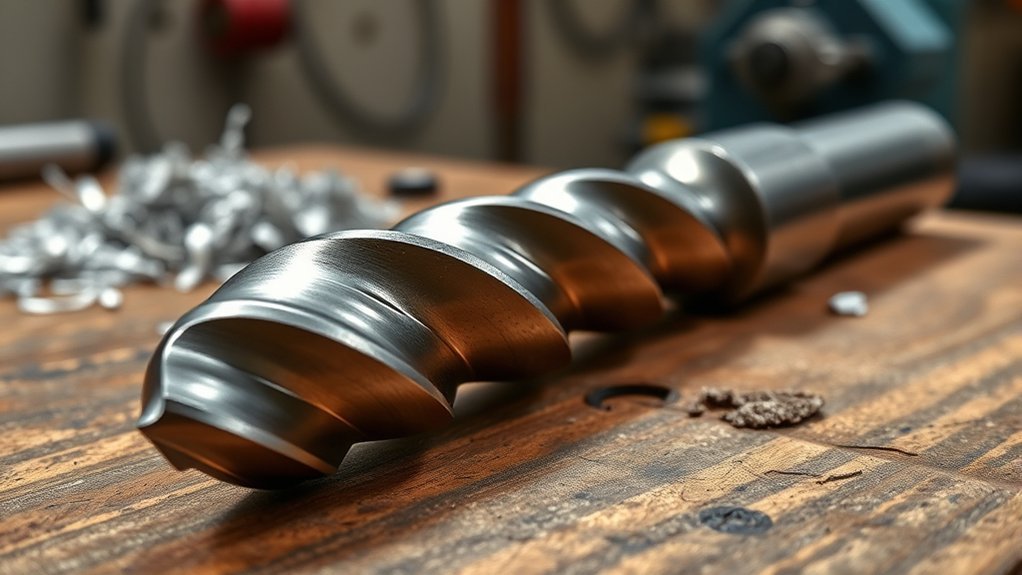
A jobber drill bit is a versatile cutting tool designed for general-purpose drilling tasks across various materials like wood, metal, and plastic. When you use a jobber drill, you benefit from bit features such as a standard flute length, a straight shank, and a 118-degree point angle optimized for efficient chip removal and accurate centering.
These bit features guarantee consistent performance in typical drilling applications while maintaining durability and precision. The bit’s length-to-diameter ratio is balanced to provide adequate reach without compromising rigidity.
You’ll find jobber drill bits manufactured from high-speed steel or cobalt variants, enhancing heat resistance during high-speed operations. Understanding these core attributes helps you select the right jobber drill for your machining needs with confidence and accuracy.
How Jobber Drill Bits Compare to Other Drill Bits
Jobber drill bits offer a balanced combination of length, durability, and versatility that sets them apart from specialized drill bits like stub, taper, or masonry bits. When you compare jobber drill bit types, you’ll notice their standard length and general-purpose design excel in metal and wood drilling.
Their key features include a twisted flute for chip removal and a sharp point angle for precision. Here’s a concise comparison:
| Drill Bit Type | Length | Primary Use |
|---|---|---|
| Jobber | Medium (standard) | Versatile (metal/wood) |
| Stub | Short | Shallow holes |
| Masonry | Long, robust | Concrete/brick |
Understanding these jobber drill bit features helps you select the best bit for your project’s requirements efficiently.
Jobber Drill Bit Sizes and Lengths
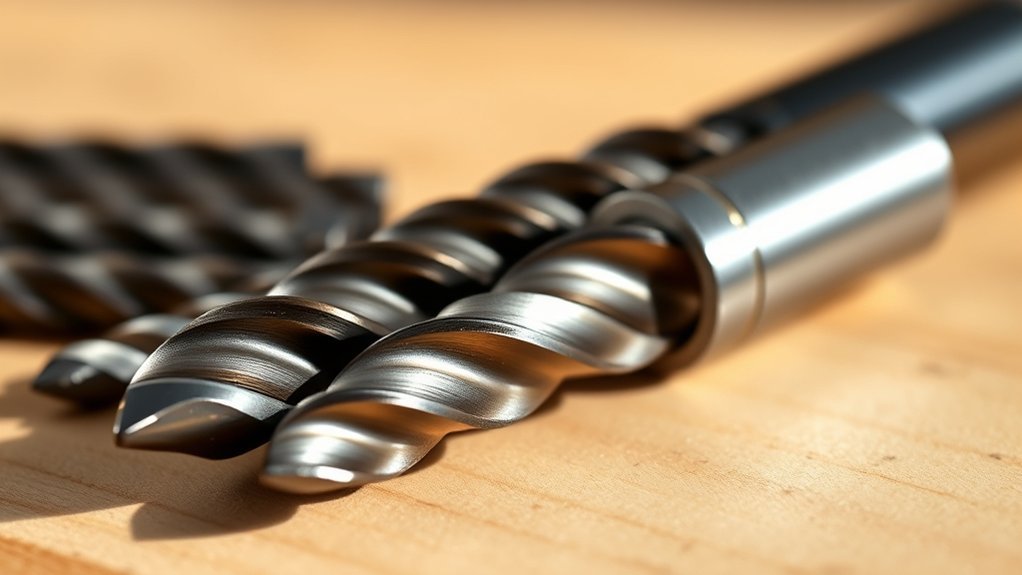
You’ll find jobber drill bits available in dozens of sizes, ranging from very small diameters like 1/16 inch up to larger sizes around 1/2 inch or more. Their lengths vary proportionally, typically from 3 to 6 inches, aligning with standard jobber drill bit specifications.
This size and length versatility supports a broad range of jobber drill bit applications, from precise small-hole drilling to deeper penetration tasks.
Key points include:
- Diameter and length combinations optimize reach and stability for various materials.
- Standard lengths balance rigidity and flexibility to minimize breakage.
- Size availability guarantees compatibility with both handheld and industrial drill setups.
Understanding these specifications helps you select the right bit tailored to your drilling depth and precision needs.
Materials You Can Drill With Jobber Drill Bits
You can use jobber drill bits to efficiently penetrate a variety of metals, including mild steel, aluminum, and brass, thanks to their high-speed steel construction. They also perform well on wood, providing clean, precise holes across hardwoods and softwoods alike.
Additionally, these bits handle plastics effectively, minimizing heat buildup and preventing material cracking during drilling.
Metals Compatible With Jobber
Although designed primarily for general-purpose drilling, these bits excel when working with a variety of metals including mild steel, aluminum, and brass. Understanding which metal types suit jobber applications guarantees peak performance and tool longevity.
You can rely on jobber drill bits to handle common machining tasks across several metal categories without frequent bit changes.
Key metals compatible with jobber drill bits include:
- Mild steel: Offers moderate hardness, ideal for standard drilling speeds and feeds.
- Aluminum: Soft and ductile, requiring sharp bits and controlled speeds to prevent clogging.
- Brass: Exhibits good machinability but demands precise chip evacuation to avoid surface damage.
Selecting the right metal to drill with jobber bits streamlines your workflow and maximizes accuracy in metalworking projects.
Wood Drilling Applications
Jobber drill bits effectively penetrate three primary types of wood: softwoods, hardwoods, and engineered wood products. When working with various wood types, it’s essential to adjust your drilling techniques accordingly.
For softwoods like pine, you can use higher speeds due to their lower density, but maintain steady pressure to avoid splintering. Hardwoods such as oak require slower speeds and increased torque to prevent bit overheating and guarantee clean holes.
Engineered wood products, including plywood and MDF, demand sharp bits and moderate speeds to reduce tear-out and delamination. Always secure your workpiece and use a backing board when drilling through thin materials.
Plastic Materials Suitability
When drilling plastic materials, selecting the right technique guarantees clean, precise holes without melting or cracking. Jobber drill bits suit various plastic types, including acrylic, polycarbonate, and PVC, but you must adjust drill techniques to prevent damage. Use a slow speed and steady pressure to avoid heat buildup, which can deform plastics. Employing a backing material can reduce chipping on fragile surfaces.
Acrylic requires a sharp bit and slower speeds to prevent cracking.
Polycarbonate tolerates faster speeds but demands careful pressure control.
PVC benefits from moderate speed and a sharp, well-maintained bit to avoid melting.
How to Choose the Right Jobber Drill Bit for Your Project
To choose the right jobber drill bit, match the bit material and coating to the specific material you’ll be drilling to guarantee durability and clean cuts.
Select the appropriate drill bit size based on the hole diameter and depth required for your project. Precision in these choices directly affects drilling efficiency and the quality of your results.
Material Compatibility
Selecting the appropriate drill bit material greatly impacts both the efficiency and durability of your drilling task. When considering jobber drill compatibility, you must align the bit’s material with the workpiece to prevent premature wear and guarantee peak performance.
Here are essential material selection tips:
- High-Speed Steel (HSS): Ideal for general-purpose drilling in wood, plastic, and soft metals; offers good toughness and moderate heat resistance.
- Cobalt Steel Alloys: Best for drilling hardened metals; resists heat and abrasion better than standard HSS.
- Carbide-Tipped Bits: Suited for extremely hard materials like stainless steel and cast iron; provide superior hardness but require careful handling.
Choosing the right bit material based on your project’s requirements maximizes tool life and drilling precision.
Drill Bit Size
Drill bit size directly influences the accuracy and effectiveness of your jobber drill operation. Selecting the correct size guarantees precise hole dimensions and ideal chip removal, essential for maintaining tool life and workpiece integrity.
You’ll find various drill bit types sized by diameter and length; jobber bits typically range from 1/16″ to 1/2″ in diameter, with lengths proportional to their diameter for stability and reach. When choosing, consider the material and hole specifications dictated by your drill bit applications.
Smaller diameters suit delicate tasks requiring tight tolerances, while larger sizes handle rougher, deeper holes. Always match the bit size to the pilot hole or final hole dimension needed, avoiding oversizing that can cause excessive vibration or undersizing that requires reaming.
Precision in size selection enhances efficiency and surface finish quality.
Safe and Effective Ways to Use Jobber Drill Bits
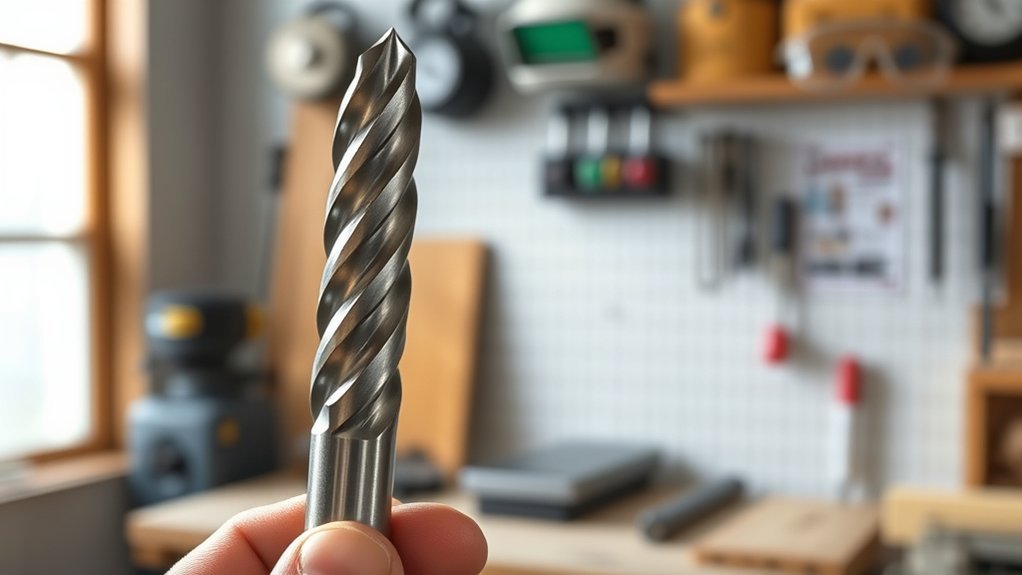
Although jobber drill bits are designed for versatility and durability, using them safely and effectively requires proper technique and attention to detail. You should follow essential safety precautions and drilling techniques to maximize performance and prevent injury. Always secure your workpiece firmly and wear protective gear like safety glasses and gloves.
Select the correct drill speed based on material hardness to avoid overheating or bit damage. Apply steady, moderate pressure. Too much force can cause bit breakage or inaccurate holes. Remember these key points:
- Use a center punch to prevent bit wandering and guarantee precise starts.
- Clear chips frequently to maintain bit efficiency and reduce heat buildup.
- Keep the drill perpendicular to the surface for accurate hole alignment.
Adhering to these practices guarantees excellent results and extends the bit’s service life.
How to Maintain and Sharpen Jobber Drill Bits
Maintaining and sharpening your jobber drill bits guarantees consistent performance and prolongs their lifespan after proper use. For effective drill bit maintenance, clean the bits thoroughly to remove debris and inspect them for wear or damage.
Use a bench grinder or a specialized drill bit sharpener to restore the cutting edges. Focus on maintaining the correct lip angle, typically 118 degrees for general-purpose bits, to guarantee peak cutting efficiency.
Employ sharpening techniques that involve gently grinding the cutting lips and chisel edge symmetrically, avoiding overheating by applying light pressure and coolant. After sharpening, verify the bit’s balance and integrity.
Regular drill bit maintenance and precise sharpening techniques prevent premature dullness, enhance drilling accuracy, and maximize the tool’s durability.
Common Jobber Drill Bit Mistakes to Avoid
Why do some jobber drill bits wear out faster or produce poor-quality holes? It often comes down to jobber drill bit errors and common drilling pitfalls. Avoid these mistakes to maximize performance and tool life:
Applying excessive feed pressure causes overheating and premature dulling.
Using the wrong drill speed for the material results in inefficient cutting and bit damage.
Neglecting proper lubrication or coolant increases friction and wear.
Conclusion
Now that you understand the versatility and precision of jobber drill bits, you’re well-equipped to handle a wide range of drilling tasks with confidence. Just remember, even the most reliable tool needs proper care and mindful use to perform at its best.
By choosing the right size, maintaining sharpness, and avoiding common pitfalls, you’ll guarantee your jobber drill bit remains a dependable partner. This will help you create clean, accurate holes without unintended surprises.
In conclusion, proper care and correct usage are essential to maximize the performance of your jobber drill bit, ensuring it delivers precision and reliability every time you use it.