You can apply varnish over linseed oil to protect and enhance wood, but you must wait 24–72 hours for the oil to fully cure.
Linseed oil penetrates and stabilizes the wood, promoting better varnish adhesion and reducing blotches.
Use a thin, even varnish coat with a quality brush after lightly sanding the sealed surface.
This method balances deep nourishment with durable surface protection.
For detailed wood types, varnish selection, and maintenance tips, keep exploring the process.
Why Use Varnish Over Linseed Oil for Wood Finishing?
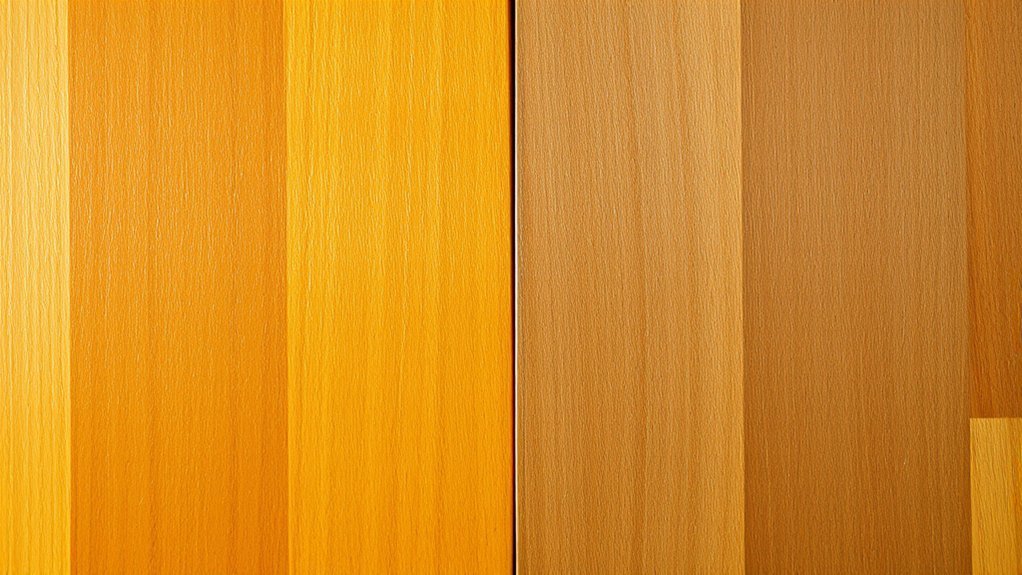
When you’re finishing wood, choosing varnish over linseed oil offers distinct advantages in durability and protection. Varnish benefits include forming a hard, transparent film that resists moisture, abrasion, and UV damage, making it ideal for high-traffic or outdoor wood surfaces.
This film acts as a robust barrier, preventing swelling, cracking, and warping. On the other hand, linseed oil advantages lie in its ability to penetrate deeply, enhancing the wood’s natural grain and providing a warm, matte finish.
However, linseed oil cures slowly, offers limited surface protection, and requires frequent reapplication. If you need a finish that hardens quickly and sustains longer under environmental stress, varnish is the practical choice.
It combines aesthetic appeal with functional resilience, ensuring your wood maintains integrity and appearance over time.
Which Wood Types Benefit Most From Varnish Over Linseed Oil?
Which wood types benefit most from varnish over linseed oil depends largely on their exposure to environmental factors and intended use. Hardwoods gain significant benefits from this finish, as varnish enhances their natural durability and resistance to moisture, while linseed oil enriches the grain.
Softwoods, meanwhile, benefit from the protective barrier varnish offers against wear and UV damage, complementing the penetrating qualities of linseed oil.
| Wood Type | Hardwood Benefits | Softwood Advantages |
|---|---|---|
| Oak | Increased moisture resistance | N/A |
| Maple | Enhanced grain depth | N/A |
| Pine | N/A | UV protection and durability |
| Cedar | N/A | Improved weather resistance |
| Teak | Superior longevity | N/A |
This combination maximizes protection and aesthetics tailored to specific wood characteristics.
How Does Linseed Oil Prepare Wood for Varnish Over Linseed Oil?
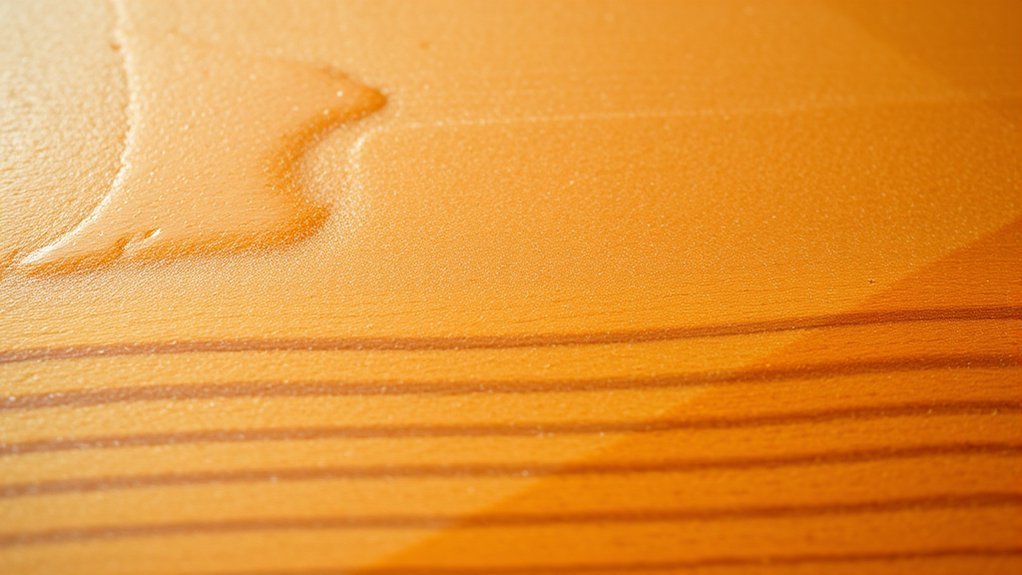
Applying linseed oil to wood creates a fundamental foundation for varnish by deeply penetrating the fibers, which stabilizes the surface and reduces the wood’s natural tendency to absorb moisture unevenly. This oil penetration enhances wood absorption properties, allowing the wood to become less porous and more uniform in texture.
By saturating the cell walls, linseed oil minimizes the risk of blotches or uneven varnish adherence. When you prepare wood this way, you’re fundamentally creating a sealed yet receptive substrate that improves the varnish’s bonding capability.
Proper oil application also helps prevent future swelling or shrinking caused by moisture fluctuations. Ultimately, linseed oil conditions the wood to accept varnish more effectively, ensuring a durable, smooth finish while protecting against environmental stressors that could compromise the varnish’s longevity.
How Long Should You Wait Before Applying Varnish Over Linseed Oil?
Since linseed oil needs adequate time to cure and harden, you shouldn’t rush the varnishing process. The drying time depends on factors like temperature, humidity, and the wood’s oil absorption rate.
Typically, you’ll want to wait at least 24 to 72 hours after applying linseed oil before varnishing, ensuring the surface feels dry and no longer tacky. If the wood absorbs oil heavily, it may extend this period because the oil needs to polymerize fully within the wood fibers.
Applying varnish too soon can trap uncured oil, leading to adhesion issues and uneven finishes. To confirm readiness, lightly press the surface; it should feel firm and dry. Patience in this phase guarantees a durable, smooth varnish layer that properly bonds with the linseed oil-treated wood.
Which Varnish Should You Use Over Linseed Oil?
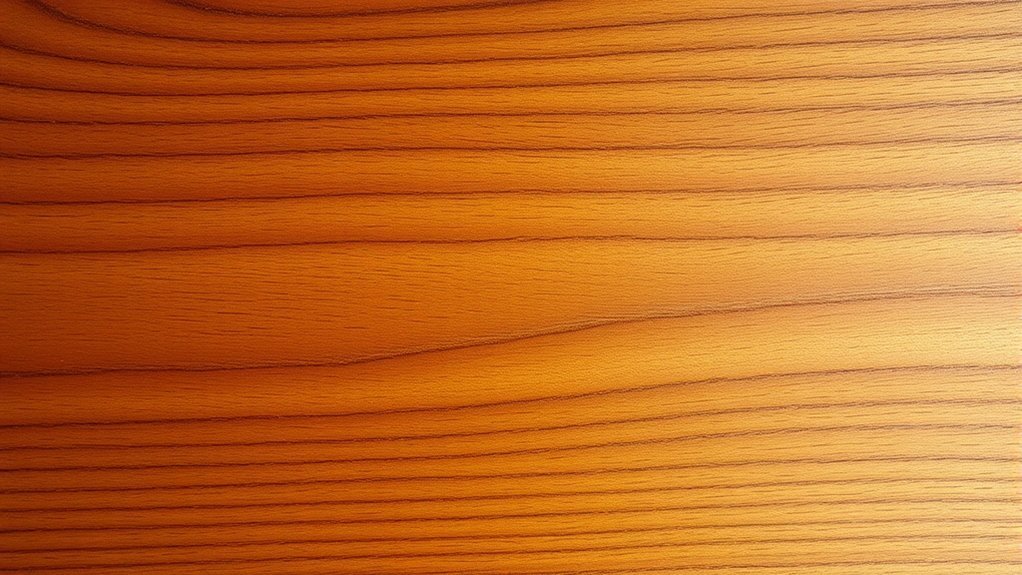
How do you choose the right varnish to apply over linseed oil? Selecting the correct varnish type hinges on its oil compatibility and drying characteristics. You want a finish that adheres well without softening or wrinkling.
- Spar varnish (marine-grade): Excellent oil compatibility and flexibility, ideal for outdoor or high-moisture environments.
- Alkyd varnish: A good balance of durability and oil integration; it cures through oxidation, complementing linseed oil’s polymerization.
- Polyurethane (oil-based): Offers a tough, protective layer but requires fully cured linseed oil to prevent adhesion issues.
Avoid water-based varnishes, as they often lack proper oil compatibility, leading to peeling or cloudiness. Prioritize varnish types designed for oil-based substrates to guarantee a durable, smooth finish.
How to Apply Varnish Over Linseed Oil Step-by-Step
Once you’ve selected a varnish compatible with linseed oil, preparing the surface correctly is your next priority. Confirm the linseed oil layer is fully cured. This can take several days to weeks depending on conditions.
Lightly sand the surface using fine-grit sandpaper (220-320 grit) to create slight tooth for adhesion, then remove all dust with a tack cloth. For application techniques, use a high-quality natural bristle or foam brush, applying thin, even coats along the wood grain. Avoid over-brushing to reduce bubble formation.
Allow each coat to dry thoroughly; drying times vary but typically range from 6 to 24 hours depending on varnish type and ambient conditions. Between coats, lightly sand again to promote adhesion, and always clean the brush immediately after use to maintain its condition.
How Can You Avoid Peeling and Uneven Drying When Varnishing Over Linseed Oil?
To prevent peeling and uneven drying when applying varnish over linseed oil, you need to guarantee the surface is fully cured, clean, and lightly sanded to promote adhesion. Choosing a varnish compatible with linseed oil, such as an oil-based or alkyd varnish, is vital to avoid chemical incompatibility that leads to failure.
Skipping these steps increases the risk of varnish defects and shortens the finish’s lifespan.
Proper Surface Preparation
Although linseed oil provides a durable finish, inadequate surface preparation can lead to peeling and uneven drying when applying varnish over it. To guarantee proper adhesion and uniform drying, you need thorough surface cleaning and precise sanding techniques. Follow these steps:
- Surface Cleaning: Remove all dust, dirt, and any residual oils using a tack cloth or mineral spirits. This prevents contaminants from interfering with varnish bonding.
- Sanding Techniques: Lightly sand the linseed oil finish with fine-grit sandpaper (220-320 grit) to create a smooth, slightly roughened surface that promotes varnish adhesion. Avoid aggressive sanding, which can remove too much oil.
- Dust Removal: After sanding, eliminate all dust particles using a vacuum and a tack cloth to guarantee a clean base before varnishing.
Compatible Varnish Selection
Because linseed oil remains slightly tacky for an extended period, selecting a varnish compatible with its drying characteristics is essential to prevent peeling and uneven drying. To guarantee adhesion, opt for varnish types formulated for use over oil-based finishes, such as alkyd or oil-modified polyurethane varnishes.
These varnishes have drying times that align well with linseed oil’s curing process, reducing the risk of trapping moisture and causing surface defects. Avoid water-based varnishes; their faster drying times can lead to improper bonding and flaking.
Before application, confirm the linseed oil is fully cured, typically after 3–7 days depending on environmental conditions. Applying multiple thin coats of compatible varnish rather than thick layers further minimizes drying discrepancies and enhances durability.
This approach guarantees a stable, uniform finish over your linseed oil-treated surface.
How Do You Maintain a Varnish Finish Over Linseed Oil?
How often you maintain a varnish finish over linseed oil depends largely on the environment and usage conditions. For effective varnish maintenance, you should:
- Inspect regularly: Check for signs of wear, cracks, or dullness in the varnish to address issues before they worsen.
- Clean properly: Use a soft, damp cloth with mild soap to remove dirt without damaging the linseed oil layer beneath the varnish.
- Recoat as needed: Lightly sand the surface and apply a compatible varnish layer every 1–3 years, depending on exposure to moisture and abrasion.
Since linseed oil penetrates deeply, varnish protects it from UV and moisture damage. Maintaining this finish guarantees the wood’s durability and aesthetic appeal, keeping the linseed oil’s benefits intact while preserving the varnish’s protective qualities.
How Does Varnish Over Linseed Oil Compare to Other Wood Finishes?
When you choose varnish over linseed oil, you’re combining deep wood penetration with a durable, protective surface layer, which differs considerably from other finishes like polyurethane or shellac. Linseed oil’s oil absorption allows it to seep into the wood fibers, enhancing grain depth and flexibility.
Varnish properties then create a hard, UV-resistant coating that resists abrasion and moisture, unlike shellac, which can soften with heat and humidity. Polyurethane offers similar durability but lacks the natural oil absorption benefits, potentially resulting in a less rich appearance.
Compared to lacquer, varnish over linseed oil provides superior chemical resistance and longer curing times for a tougher finish. This combination balances aesthetic warmth and mechanical protection, making it a strong choice when you want both wood nourishment and surface resilience.
Frequently Asked Questions
Can You Apply Varnish Over Boiled Linseed Oil Instead of Raw Linseed Oil?
Yes, you can apply varnish over boiled linseed oil, but make certain it’s fully cured and sanded. Boiled linseed oil improves varnish adhesion compared to raw.
Proper surface prep prevents peeling and guarantees durable finish performance.
Is It Safe to Use Varnish Over Linseed Oil on Outdoor Furniture?
Think of your outdoor furniture as a fortress. Applying varnish over linseed oil enhances its armor.
With proper application techniques, this combo boosts outdoor durability, sealing and protecting wood against moisture, UV rays, and weathering effectively.
How Does Temperature Affect Drying Times for Varnish Over Linseed Oil?
Temperature greatly influences drying times; higher heat accelerates curing, while cooler temps slow it down.
Elevated humidity levels prolong drying, so using drying agents can help counteract moisture and guarantee varnish over linseed oil sets efficiently.
Can Tinted Varnish Be Applied Over Linseed Oil for Color Effects?
Yes, you can apply tinted varnish over linseed oil to achieve specific color effects. Just make certain the linseed oil is fully cured to prevent adhesion issues, and test on a small area to confirm desired tonal results and compatibility.
What Tools Are Best for Applying Varnish Over Linseed Oil?
Don’t worry about streaks; use high-quality natural bristle brushes for smooth varnish application. Employ slow, even strokes and avoid over-brushing.
Synthetic brushes suit water-based varnishes, while foam brushes help with thin, uniform coats.
Conclusion
You might worry that applying varnish over linseed oil will lead to sticky, uneven surfaces—but if you wait the full drying time and choose the right varnish, you’ll achieve a durable, smooth finish that enhances wood’s natural beauty and protection.
By properly preparing and sealing your wood this way, you’re combining linseed oil’s deep nourishment with varnish’s hard-wearing shield. This ensures a finish that’s both practical and long-lasting for your projects.
In conclusion, varnish over linseed oil creates a finish that balances aesthetic appeal with robust protection, making it an excellent choice for preserving and beautifying wood.