Left hand drill bits are designed to rotate counterclockwise, unlike most drill bits that spin clockwise to create holes. This reverse motion is crucial for specific tasks, making left hand drill bits an essential tool in various repair scenarios.
You might not realize how this reverse rotation can be a game changer when dealing with stubborn broken screws or bolts. The unique design helps in loosening fasteners by gripping them more effectively during removal.
Understanding the mechanics behind left hand drill bits reveals why they’re indispensable in precision repair work. They help prevent further damage during extraction, ensuring that delicate components remain intact.
What Are Left Hand Drill Bits and How Do They Work
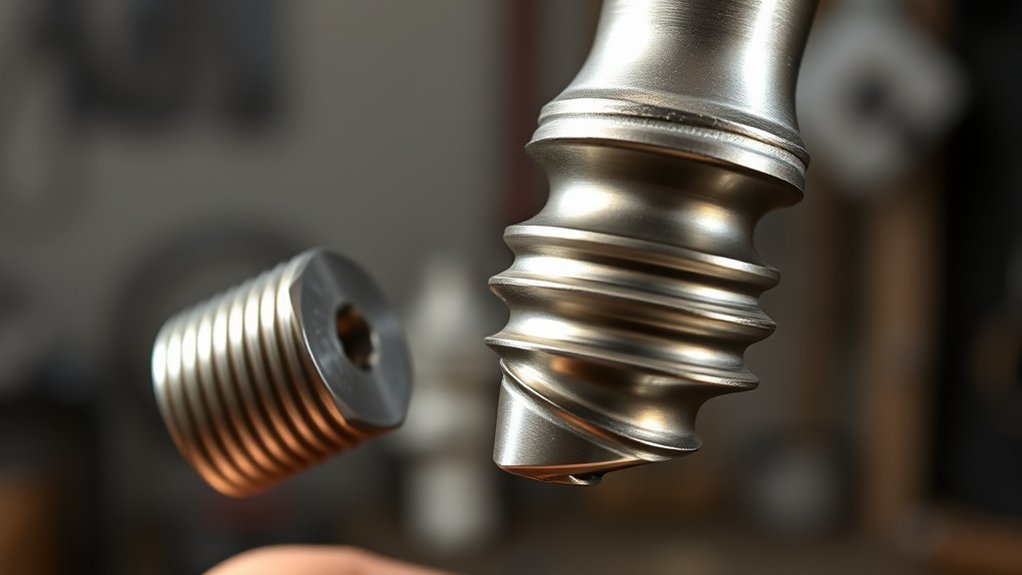
Left hand drill bits are specialized cutting tools designed to rotate counterclockwise, opposite to standard drill bits. This reverse rotation leverages left hand drill bit technology to engage and cut materials efficiently in specific scenarios.
When you operate these bits, their unique cutting edges and spiral flutes remove material while spinning against the conventional direction, allowing for distinct advantages in certain applications. Left hand drill bit applications include tasks where reverse motion aids in loosening fasteners or drilling in reverse-threaded components.
Their design minimizes damage and increases control, especially in mechanical repairs or precision assembly contexts. By understanding how these bits function, you can select the right tool for jobs requiring counter-rotation, optimizing performance and extending tool life in specialized drilling operations.
How Left Hand Drill Bits Remove Broken Screws and Bolts
When you encounter a broken screw or bolt embedded in a material, using a left hand drill bit can be an effective method for removal. Left hand drill bits operate with reverse drilling techniques, rotating counterclockwise to engage the fastener threads.
As you drill into the broken fastener, the bit’s counter-rotation often causes the broken piece to loosen and back out simultaneously. This dual function, drilling and extraction, makes left hand bits particularly valuable for broken fastener extraction.
The bit’s design guarantees a firm grip on the damaged threads, minimizing material damage around the fastener. By applying steady reverse torque, you can extract the broken screw or bolt without resorting to destructive methods, preserving the integrity of the workpiece and streamlining repair or maintenance tasks.
Other Uses: Tapping Threads and Working With Tough Materials
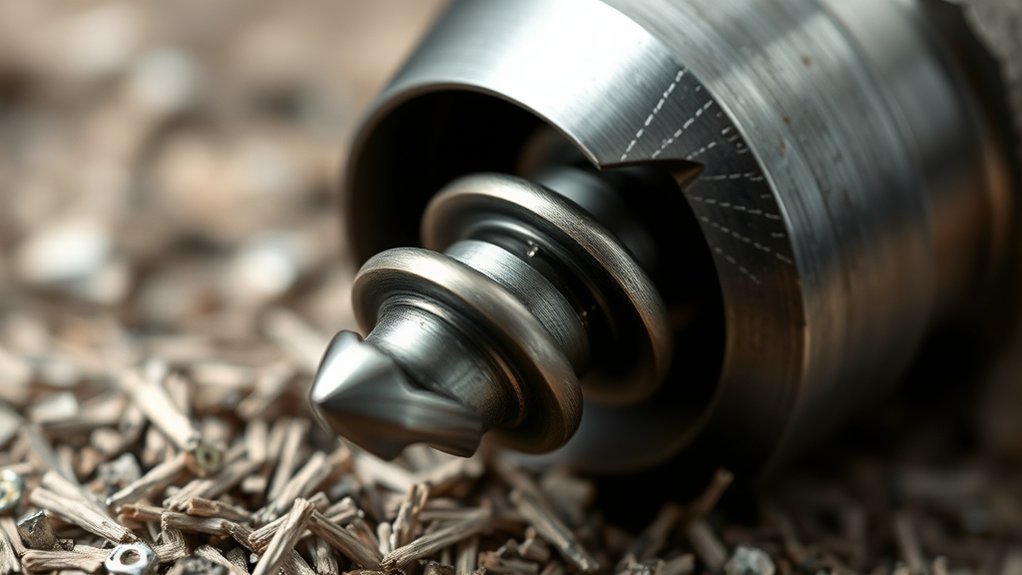
Although primarily designed for extraction, left hand drill bits also excel at tapping threads and drilling through tough materials. When you engage in thread tapping, these bits cut internal threads efficiently due to their reverse rotation, reducing the risk of thread damage.
Their geometry allows for precise material removal, ensuring clean and accurate threads. Additionally, left hand drill bits handle high material toughness effectively, especially in hardened metals and alloys.
Their cutting edges maintain sharpness longer, providing consistent performance where conventional bits might fail or overheat. You’ll find that this dual capability makes left hand drill bits valuable beyond extraction tasks, especially when precision and durability are critical.
Understanding these properties helps you leverage their full potential in complex machining or repair operations.
How to Choose the Right Left Hand Drill Bit for Your Job
You need to match the left hand drill bit’s material with the workpiece to guarantee durability and efficiency. Selecting the correct bit size is critical to maintain thread integrity and avoid damage.
Material Compatibility
Since left hand drill bits are designed for specific applications, selecting the right material compatibility is crucial to guarantee peak performance and tool longevity. You need to take into account the material types you’ll be working with, whether it’s soft metals like aluminum, harder metals such as stainless steel, or non-metal materials like plastics and composites.
Compatibility factors include hardness, abrasiveness, and heat resistance of the workpiece. For example, cobalt or carbide left hand drill bits excel in cutting tough, heat-generating metals, while high-speed steel bits suit softer materials.
Matching the drill bit’s coating and geometry to the material type minimizes wear and prevents tool failure. By analyzing these compatibility factors, you guarantee efficient cutting, reduce bit breakage, and optimize your drilling operation’s overall productivity.
Bit Size Selection
Selecting the correct bit size directly impacts the effectiveness of your drilling operation and complements the material compatibility considerations previously discussed. You need to match the bit diameter precisely to the hole size required; an undersized bit can cause excessive friction and bit wear, while an oversized bit risks damaging the workpiece or producing imprecise holes.
Additionally, consider the bit length relative to the depth of the hole. Using a bit that’s too short can prevent you from reaching the necessary depth, while an excessively long bit may flex, reducing accuracy.
Evaluate your specific task requirements, including clearance and reach, to determine the ideal bit diameter and bit length. This guarantees efficient material removal, maintains tool integrity, and enhances overall drilling precision with left hand drill bits.
Tips for Safe and Effective Use of Left Hand Drill Bits
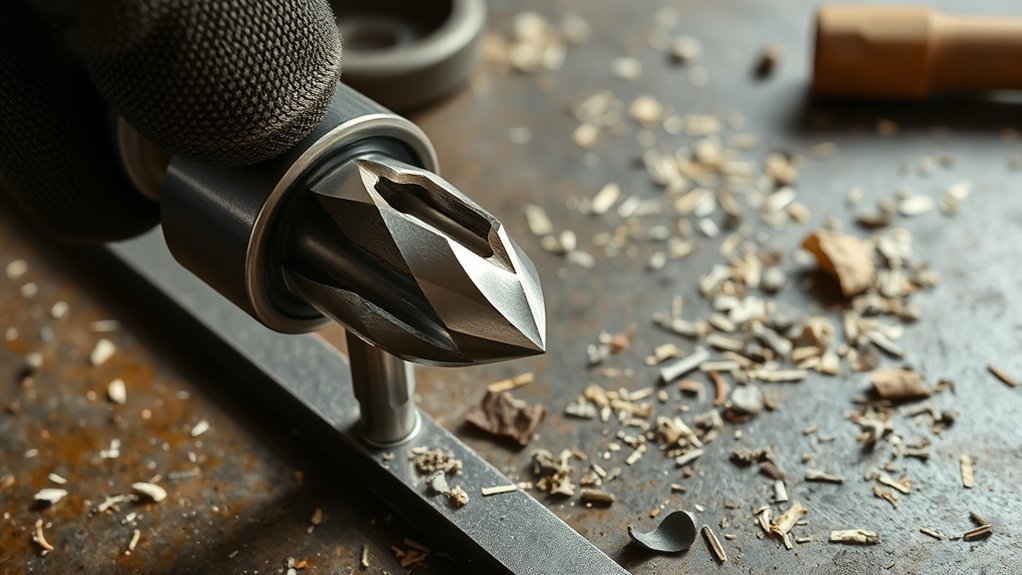
You need to set the drill speed correctly to prevent bit damage and guarantee efficient cutting. Always secure the workpiece firmly to avoid movement that could cause misalignment or injury. These precautions maximize performance and maintain safety during drilling operations.
Proper Drill Speed
Although left hand drill bits are designed to cut counterclockwise, maintaining the correct drill speed is essential to enhance performance and prevent bit damage. You must adjust the drill speed precisely, as improper RPM can cause overheating, reduced cutting efficiency, or premature wear.
To guarantee ideal RPM:
- Match drill speed to the material hardness. Use slower speeds for harder metals to avoid excessive heat.
- Start at a low RPM and gradually increase while monitoring bit performance and heat generation.
- Use a variable-speed drill to maintain consistent control over the cutting process.
Secure Workpiece Handling
Three critical factors guarantee secure workpiece handling when using left hand drill bits: firm clamping, proper alignment, and vibration control. You must guarantee workpiece stability by using secure clamping devices that immobilize the material without causing deformation. Improper clamping can lead to slippage, compromising both safety and precision.
Align the drill bit perpendicularly to the workpiece surface to maintain consistent contact and reduce lateral forces that induce vibration. Excess vibration undermines workpiece stability and accelerates tool wear. Use vibration dampening pads or adjust feed rates to minimize oscillations.
Common Drilling Problems Left Hand Drill Bits Can Fix
When standard drill bits struggle with issues like drill bit breakage, workpiece damage, or difficulty removing broken screws, left hand drill bits offer targeted solutions. You’ll find these bits especially effective in:
- Extracting broken screws Their reverse rotation helps loosen stuck fasteners without damaging surrounding material.
- Preventing drill bit breakage By cutting counterclockwise, they reduce the stress accumulation typical in conventional drilling techniques.
- Minimizing workpiece damage Left hand bits reduce material deformation by efficiently removing debris and maintaining cleaner holes.
Using proper drilling techniques and integrating maintenance tips like regular bit inspection enhances their performance and longevity. By applying these strategies, you’ll resolve common drilling problems with precision, improving both your workflow and project outcomes.
Why Left Hand Drill Bits Are a Must-Have for Your Toolbox
Because left hand drill bits operate with a reverse cutting action, they uniquely address challenges that conventional bits can’t, such as efficiently removing broken screws and reducing bit wear. You’ll find these bits indispensable in left handed applications where standard tools fail to deliver precise results.
Their unique advantages lie in their ability to engage fasteners counterclockwise, allowing you to back out damaged or seized components without additional tools. This functionality not only saves time but also prevents further material damage.
Incorporating left hand drill bits into your toolbox equips you with a specialized solution for complex tasks, enhancing overall efficiency. In sum, their reverse operation and unique design make them essential tools, particularly for professionals tackling maintenance and repair scenarios that demand precision and reliability.
Conclusion
Now that you understand how left hand drill bits work, you’ll see why they’re essential for removing broken screws and bolts without extra damage. Remember, “a stitch in time saves nine”—using the right bit promptly prevents bigger issues later.
By choosing the correct size and applying proper technique, you can tackle tough materials and tricky repairs efficiently. Keep left hand drill bits in your toolbox to enhance precision and save valuable time on challenging jobs.
In conclusion, having reliable left hand drill bits on hand is crucial for quick, safe, and effective screw removal and repair tasks.