Did you know that using the wrong drill bit size can reduce thread strength by up to 30%?
When tapping a 6-32 thread, precision is critical—you’ll need a #36 drill bit with a diameter of 0.1065 inches to guarantee proper thread engagement.
Selecting the correct size prevents common issues like misalignment or stripped threads.
Understanding this choice is essential before you start drilling and tapping your project.
What Drill Bit Size Do You Need for 6-32 Taps?
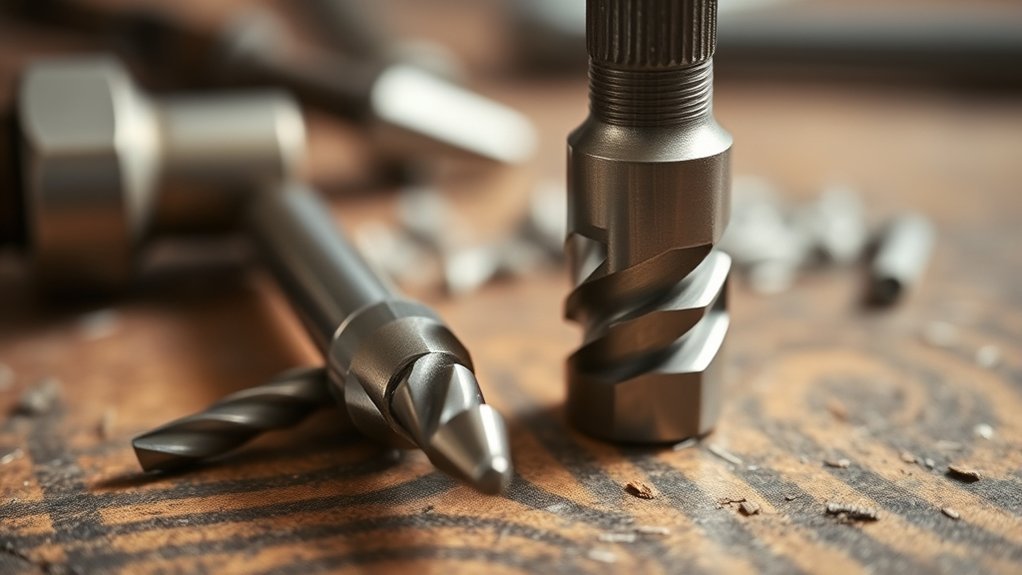
When tapping a 6-32 thread, you’ll need to use a #36 drill bit to create the correct pilot hole size. Selecting this drill bit guarantees ideal thread compatibility between the hole and the tap, preventing thread stripping or misalignment.
Start by securely clamping your workpiece and marking the drilling location. Drill straight and at a controlled speed to maintain hole precision. Once the pilot hole is drilled, apply cutting fluid to reduce friction during tapping.
Secure your workpiece, mark carefully, drill straight at a steady speed, then apply cutting fluid before tapping.
Use consistent pressure and reverse periodically to clear chips, following proper tapping techniques. This methodical approach ensures clean, accurate threads compatible with 6-32 screws, enhancing joint strength and reliability.
Avoid shortcutting this step to maintain thread integrity and guarantee your assembly performs as intended.
Why Using the Right Drill Bit Size for 6-32 Threads Matters
Choosing the correct #36 drill bit for 6-32 taps guarantees the pilot hole matches the tap’s dimensions precisely, which directly affects thread quality. When you use the right drill bit size, you assure ideal thread engagement, providing sufficient material for the tap to cut clean, strong threads without causing excess stress or material deformation.
Incorrect drill bit sizes lead to poor tapping technique outcomes: too small a hole increases torque and risks tap breakage, while too large reduces thread engagement, weakening the joint. By selecting the proper drill bit, you maintain precise tapping parameters, improve tool life, and achieve consistent thread depth and strength.
This precision is vital for reliable fastener performance and structural integrity in your projects.
How to Read Tap Drill Size Charts for 6-32 Screws

Understanding how to read tap drill size charts for 6-32 screws enables you to select the exact drill bit needed for accurate threading. These charts list the recommended tap drill diameter, which corresponds to the core diameter of the screw thread.
When you consult the chart, locate the 6-32 thread size, then note the specified drill bit size aligned with it. This value guarantees the correct amount of material remains for the tap to cut threads without excessive force or thread deformation.
Pay attention to the thread tolerance indicated, as tighter tolerances require more precise drill sizes to maintain thread strength and fit. Using the chart methodically prevents trial and error, allowing you to achieve consistent, high-quality threads with the appropriate tap drill.
Step-by-Step Drilling Guide for 6-32 Thread Taps
First, choose the correct drill bit size to match the 6-32 tap specifications. Next, secure and prepare your workpiece to guarantee accurate drilling.
Finally, follow a controlled tapping procedure to create clean, precise threads.
Selecting Proper Drill Size
To tap a 6-32 thread correctly, you’ll need to select the proper drill size to guarantee accurate thread engagement and prevent material damage. Choosing the right drill bit involves understanding drill bit types and tap drill considerations.
Use a drill bit that matches the recommended tap drill size, typically a #36 drill bit (0.1065 inches) for 6-32 threads. Consider material hardness and tap type when selecting.
Here’s what to keep in mind:
- Use high-speed steel (HSS) drill bits for durability and precision
- Account for material type; softer metals may need slight size adjustments
- Avoid oversized bits to prevent weak threads
- Confirm the drill bit diameter matches the tap’s thread pitch and major diameter
Preparing the Workpiece
Before drilling, verify your workpiece is securely clamped to prevent movement and achieve accurate hole placement. Proper workpiece preparation is essential for successful tapping of a 6-32 thread.
Begin by thoroughly cleaning the surface to remove oils, dirt, or debris that could affect drill bit stability or hole quality. Use a solvent or degreaser and wipe the area dry.
Make certain the workpiece surface is flat and free of burrs or imperfections that might misalign the drill bit. Mark the hole location precisely using a center punch to create a small indentation, guiding the drill bit during penetration.
Confirm that the clamping does not deform the material, which could alter hole dimensions. This methodical preparation makes certain accuracy and repeatability in drilling and tapping operations.
Executing the Tap Process
Begin by selecting the correct drill bit size, a #36 drill bit (0.1065 inches), to create the pilot hole for the 6-32 tap. Position the workpiece securely and guarantee precise thread alignment before starting. Use proper tap techniques to avoid damaging threads or breaking the tap.
Follow these steps carefully:
- Apply cutting fluid to reduce friction and heat buildup
- Insert the tap perpendicular to the hole for accurate threading
- Turn the tap slowly clockwise, advancing one full turn at a time
- Reverse the tap slightly every few turns to clear chips and prevent binding
Maintain steady pressure and alignment throughout. This methodical approach guarantees clean, accurate threads that fit perfectly with 6-32 screws.
Tips to Avoid Common Problems When Tapping 6-32 Threads
Although tapping 6-32 threads may seem straightforward, you’ll encounter issues like thread misalignment, tap breakage, or poorly formed threads if you don’t follow proper techniques. To guarantee success, focus on precise tapping techniques: start the tap perpendicular to the workpiece to maintain accurate thread alignment.
Apply consistent, moderate pressure and rotate the tap steadily, reversing periodically to clear chips and prevent binding. Use appropriate lubrication to reduce friction, prolong tap life, and improve thread quality. Avoid forcing the tap, which risks breakage and damage.
Verify hole size with the correct drill bit before tapping, guaranteeing the hole matches the recommended diameter for 6-32 threads. By adhering to these methodical steps, you’ll minimize common problems and produce clean, durable threads efficiently.
How Drill Bit Materials and Thread Pitch Affect 6-32 Tapping
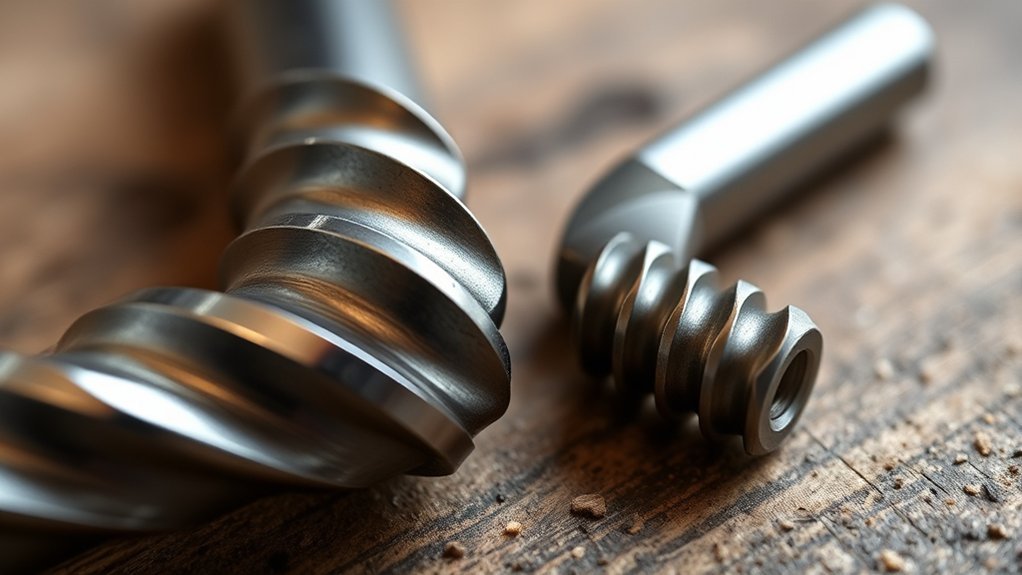
When selecting a drill bit for tapping 6-32 threads, you must consider both the material of the drill bit and the thread pitch to confirm ideal hole quality and thread integrity. Drill bit materials impact bit durability and cutting precision, which are critical for effective thread cutting in 6-32 taps.
A mismatch in thread pitch can lead to poor thread engagement or stripped threads.
Keep these points in mind:
Ensure drill bit material and thread pitch match for precise, durable 6-32 thread tapping results.
- High-speed steel (HSS) bits offer excellent bit durability for standard metals.
- Carbide bits suit harder materials but require careful handling.
- Correct thread pitch (32 TPI) ensures the tap matches the pre-drilled hole.
- Using a drill bit with improper pitch disrupts thread cutting, causing weak or damaged threads.
Choosing the right combination enhances tapping accuracy and prolongs tool life.
What to Do When You Don’t Have the Perfect 6-32 Drill Bit
If you don’t have the exact drill bit size for a 6-32 tap, you can still achieve a reliable thread by selecting the closest available bit and adjusting your tapping technique accordingly. Start by identifying alternative bit options. Typically, a #36 drill bit (0.1065 inches) is the standard for 6-32 threads, but if unavailable, a #35 or #37 may suffice with careful control.
Use improvisation techniques such as slowing your tapping speed and applying consistent lubrication to reduce thread deformation. Additionally, monitor thread engagement closely, stopping to clear chips frequently. These adjustments compensate for minor diameter differences and maintain thread integrity.
Always test on scrap material first to validate your approach before proceeding to critical components.
Choosing the Best Drill Bit for 6-32 Based on Your Project
You’ll need to select a drill bit diameter that matches the 6-32 tap specifications precisely for clean threading. Consider the material you’re working with, as harder metals may require cobalt or titanium-coated bits for durability.
Align your bit choice with the project’s demands to guarantee peak hole quality and tap performance.
Drill Bit Diameter Options
Selecting the appropriate drill bit diameter is essential for tapping a 6-32 thread accurately and guaranteeing the integrity of the fastened connection. You’ll find various drill bit types and bit size variations designed for specific tasks.
Choosing the correct diameter affects thread engagement and holding strength. Typically, a #36 drill bit (0.1065 inches) is standard for 6-32 taps. However, depending on the material and precision needed, slight diameter adjustments may be necessary.
Consider these factors when selecting your drill bit diameter:
- Achieve ideal thread depth without compromising material strength
- Minimize risk of tap breakage through precise sizing
- Guarantee compatibility with your tap’s pitch and thread profile
- Adapt to varying project specifications and material conditions
Material Compatibility Considerations
Understanding the appropriate drill bit diameter sets the foundation for successful tapping, but material compatibility plays a significant role in determining the best choice for your 6-32 tap. Different material types such as aluminum, steel, or plastic require specific drill bit materials and coatings to optimize performance.
Compatibility factors include hardness, brittleness, and thermal conductivity, which influence bit wear and hole quality. For instance, high-speed steel (HSS) bits suit softer metals, while cobalt or carbide bits excel with hardened steel.
Additionally, using bits with appropriate coatings like titanium nitride can reduce friction and extend tool life in tougher materials. By carefully considering these compatibility factors alongside material types, you’ll guarantee clean threads and prolong both your tap’s and drill bit’s service life.
Project-Specific Bit Selection
Every project demands a tailored approach when choosing the drill bit for a 6-32 tap, as factors like material type, hole depth, and desired thread quality directly impact your selection. You must consider the bit type to guarantee peak thread compatibility and avoid tap damage.
For instance, high-speed steel bits suit softer metals, while cobalt bits excel in harder alloys. Additionally, the hole depth affects chip evacuation and thread accuracy. Prioritize precision to maintain thread integrity.
Focus on these to select the best bit:
- Material hardness influencing bit durability
- Required thread engagement for strength
- Hole depth affecting chip removal
- Bit type guaranteeing thread compatibility
Conclusion
When tapping a 6-32 thread, using the correct #36 drill bit isn’t just a suggestion—it’s your blueprint for success. Like a skilled navigator relying on precise coordinates, you must trust the exact drill size to avoid misalignment or stripping. Precision here guarantees your threads lock in perfectly, maintaining strength and reliability.
Skip this step, and you risk turning your project into a cautionary tale. Stay exact, and your tapping will stand the test of time. Always remember, the right size drill bit to tap 6 32 is key to achieving a strong, durable thread.