When preparing to cut a 1/8 pipe thread, selecting the correct drill bit size is critical to guarantee a proper fit and seal.
You’ll need to match the drill diameter precisely to the thread specifications, typically using a #30 drill bit for NPT threads.
Choosing the wrong size can lead to leaks or damaged fittings, so understanding the exact dimensions and standards involved is essential before you start drilling.
What factors influence this choice beyond just the nominal pipe size?
What Drill Bit Size Do You Need for a 1/8-Inch Pipe Thread?
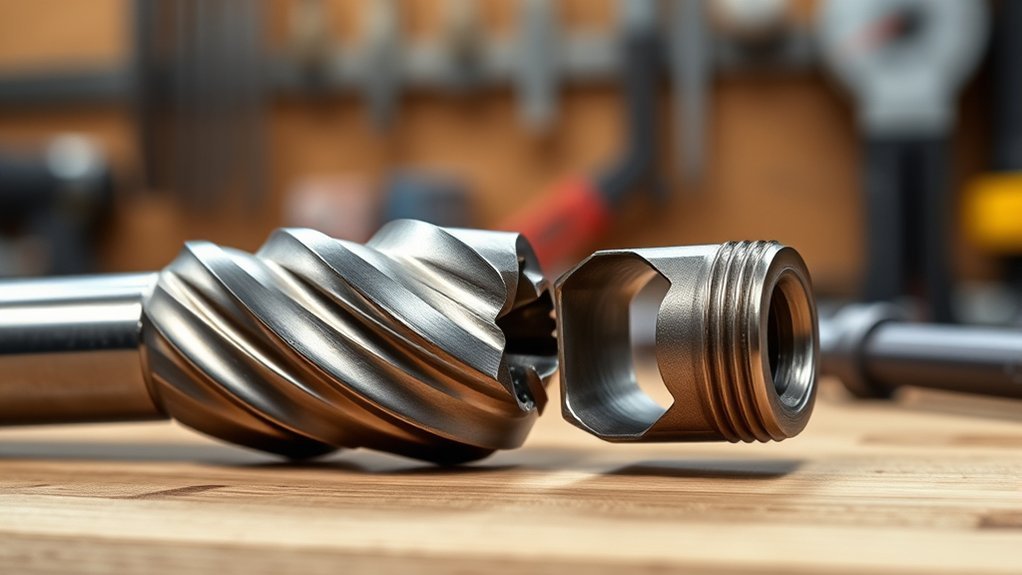
How do you determine the correct drill bit size for a 1/8-inch pipe thread? First, understand that thread variations affect the required tap drill size. For standard NPT (National Pipe Thread) 1/8-inch threads, selecting the right drill bit involves accounting for the thread pitch and taper.
You’ll find that common drill bit types, such as twist bits or cobalt bits, are suitable, but the size must precisely match the core diameter needed for threading. Typically, a #30 drill bit (0.1285 inches) is recommended for 1/8-inch NPT threads, balancing material removal and thread engagement.
Avoid guessing; instead, use specifications tied to the thread variation to guarantee the drill bit size supports proper thread formation and mechanical integrity.
Measuring 1/8-Inch Pipe Threads to Choose the Right Drill Bit
To choose the right drill bit for a 1/8-inch pipe thread, you need to accurately measure the thread’s major diameter and pitch. These dimensions determine the drill size required for a proper fit and secure threading.
Understanding Thread Dimensions
Since thread dimensions directly impact the fit and seal of a 1/8-inch pipe thread, you’ll need to measure them accurately before selecting a drill bit. Start by identifying the thread type. NPT (National Pipe Thread) is common for 1/8-inch pipes, featuring tapered threads for a tight seal.
Measure the major diameter, pitch, and thread angle precisely, as these factors dictate fitting compatibility. Using calipers, confirm the thread’s outer diameter is approximately 0.405 inches for 1/8-inch NPT. Pitch, typically 27 threads per inch, guarantees proper engagement.
Understanding these dimensions helps you avoid mismatched fittings and guarantees ideal sealing. Accurate measurement of thread dimensions is essential to maintain integrity and performance in pipe connections, enabling you to choose the correct drill bit for consistent, leak-free assembly.
Selecting Compatible Drill Sizes
Although selecting the right drill size for a 1/8-inch pipe thread requires careful measurement, understanding thread specifications simplifies the process. You need to take into account pipe thread types, NPT or BSP, since their pitch and diameter differ, affecting drill size choice.
Also, drill bit materials matter; high-speed steel works well for most metals, while carbide suits harder materials.
| Pipe Thread Type | Recommended Drill Bit Size (inches) |
|---|---|
| NPT (National Pipe Thread) | 0.269″ |
| BSP (British Standard Pipe) | 0.291″ |
| Metric Pipe Thread | 0.302″ |
Accurate measurement guarantees you select a drill bit that matches the thread’s minor diameter, preventing thread damage and ensuring a tight fit.
Why the Right Drill Bit Size Matters for 1/8-Inch Pipe Threads
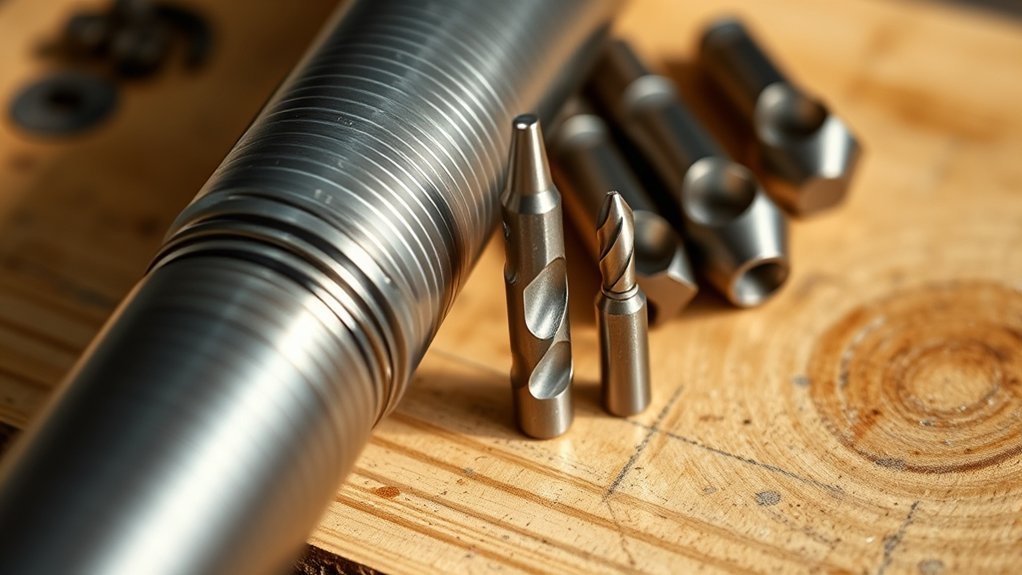
You need the right drill bit size to maintain thread integrity and avoid damaging the 1/8-inch pipe threads. Using an incorrect size can compromise the seal, leading to leakages and potential system failures.
Ensuring proper thread compatibility guarantees a secure and reliable connection every time.
Thread Integrity Importance
Maintaining thread integrity plays a critical role in guaranteeing the performance and durability of 1/8-inch pipe threads. When you select the correct drill bit size, you preserve thread durability by creating an accurate pilot hole that allows threads to form without excessive stress or deformation.
If the hole is too large, threads become thin and fragile, compromising mechanical strength. Conversely, a hole that’s too small can cause thread splitting during tapping. This balance directly impacts sealing effectiveness, as intact threads guarantee proper engagement and pressure resistance.
Preventing Leakages
Preserving thread integrity directly influences the seal quality of 1/8-inch pipe threads. When you select the correct drill bit size, you maintain precise thread dimensions crucial for effective engagement.
Undersized holes cause thread deformation, while oversized holes lead to loose fittings, both increasing leakage risk. Proper sizing is critical for leak prevention because it guarantees threads mesh tightly, minimizing gaps where fluids could escape.
Additionally, ideal thread form allows sealing techniques, such as thread sealants or tape, to function effectively by filling minimal spaces rather than compensating for poor fit. By choosing the right drill bit size, you uphold mechanical precision, reduce installation errors, and enhance the long-term reliability of pipe joints, guaranteeing a dependable, leak-free connection essential for system performance.
Ensuring Thread Compatibility
Although selecting the correct drill bit size may seem straightforward, it plays an essential role in guaranteeing thread compatibility for 1/8-inch pipe threads. Precise drill bit selection directly affects the internal thread profile, which must match the external thread dimensions of the pipe fitting.
Using a drill bit that’s too large results in loose threads, compromising mechanical strength and sealing integrity. Conversely, too small a bit leads to excessive material displacement, causing thread deformation or cracking.
To maintain thread compatibility, you must use the recommended drill bit size, typically a #7 drill bit or 0.201 inches in diameter for 1/8-inch NPT threads. This guarantees the tapped threads align perfectly with the pipe’s external threads, promoting a secure fit and preventing leaks or thread failure.
How to Drill Holes for 1/8-Inch Pipe Threads
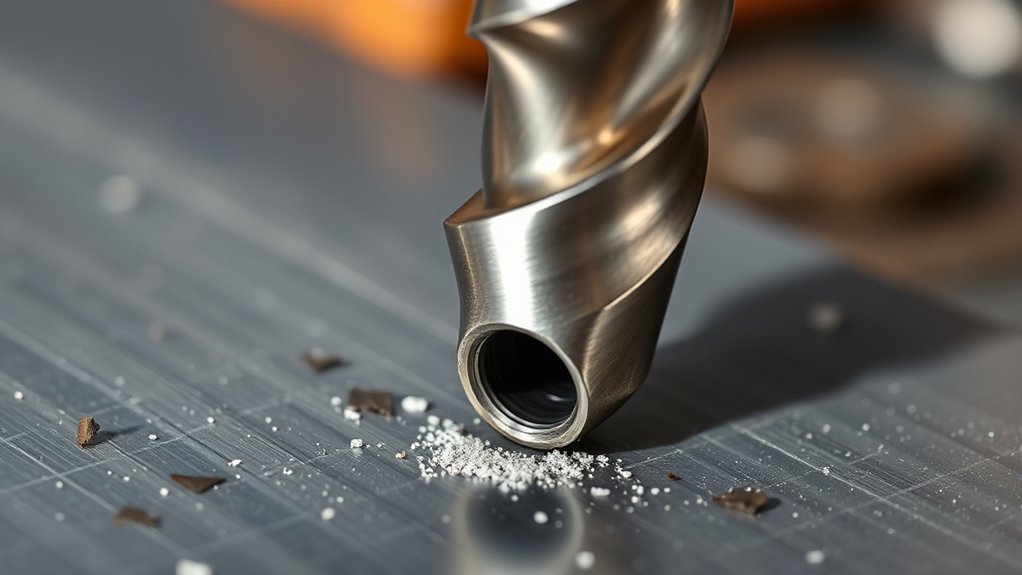
To drill holes for 1/8-inch pipe threads, you need to select the correct drill bit size and ensure precise alignment. Start by using a drill bit that matches the minor diameter of the 1/8-inch pipe thread, typically around 7/32 inch (0.21875 inch), to guarantee proper threading depth.
Employ steady drilling techniques to avoid wobbling, which can compromise thread alignment and cause leaks. Secure your workpiece firmly to maintain perpendicularity throughout drilling.
Use a center punch to mark the hole location accurately before drilling, enhancing initial bit engagement and preventing drift. Monitor drill speed to reduce heat buildup, preserving material integrity.
Maintaining precise thread alignment during this process is critical for achieving a reliable, leak-proof connection in subsequent threading operations.
Tools and Materials for 1/8-Inch Pipe Threading
Effective 1/8-inch pipe threading requires specific tools and materials to confirm accuracy and durability. You’ll need a high-quality drill bit sized appropriately for the pipe thread, typically a #31 drill bit measuring 0.120 inches in diameter. Use compatible drill accessories such as a drill press or hand drill with adjustable speed to maintain control and precision.
For threading, select a 1/8-inch NPT (National Pipe Thread) tap designed to cut tapered threads matching pipe fittings. Additionally, lubricate the tap with cutting oil to reduce friction and prevent damage. Verify the pipe fittings are clean and free of debris before threading to maintain thread integrity.
Using these precise tools and materials guarantees reliable, leak-proof connections essential for plumbing or mechanical applications.
Tips to Avoid Common Mistakes When Drilling for 1/8-Inch Pipe Threads
When drilling for 1/8-inch pipe threads, you’ll want to maintain strict control over drill speed and alignment to prevent misalignment or thread damage. Proper drilling techniques are essential to avoid common errors like off-center holes or excessive heat buildup.
Always guarantee your drill bit is sharp and correctly sized to maintain dimensional accuracy. Keep the workpiece securely clamped to prevent movement during drilling. Key tips include:
Use a pilot hole to guide the drill bit precisely.
Apply consistent, moderate pressure to avoid bit wandering.
Frequently clear chips to prevent clogging and overheating.
Checking and Adjusting Hole Size Before Threading
Although drilling accuracy is essential, you should always verify the hole size before threading to confirm a proper fit. Use a precise caliper or gauge to measure the diameter, confirming it matches the recommended drill size for 1/8-inch pipe threads.
If the hole size is slightly undersized, employ adjustment techniques such as reaming or carefully enlarging with a slightly larger drill bit. Avoid over-enlarging, which can compromise thread integrity.
If the hole is oversized, consider using thread inserts or filling methods, though these add complexity. Accurately checking and adjusting the hole size prevents threading issues like poor engagement or leaks.
Understanding NPT vs Other 1/8-Inch Pipe Thread Standards
Verifying and adjusting the hole size sets the foundation for proper threading, but understanding the specific thread standards is equally important for compatibility. When dealing with 1/8-inch pipe threads, you must differentiate between NPT standards and other pipe thread types.
NPT (National Pipe Taper) threads are tapered, ensuring a tight, leak-proof seal, unlike straight threads used in other systems.
Consider these distinctions:
- NPT standards: Tapered threads, sealing by wedging action
- BSP (British Standard Pipe): Similar size but different thread angle and pitch
- Metric and straight threads: Often require additional sealing methods like O-rings
Knowing these differences helps you select the correct drill bit size and threading approach for reliable, leak-free connections.
Conclusion
When you use a #30 drill bit (0.1285 inches) for your 1/8-inch NPT pipe threads, you guarantee precise thread engagement and prevent leaks.
Imagine installing a fuel line on a small engine: using the correct drill bit size avoids loose fittings that could cause dangerous leaks.
By choosing the right drill bit and carefully measuring your hole, you maintain mechanical integrity and sealing effectiveness, essential for reliable, pressure-resistant plumbing connections every time.
In conclusion, selecting the proper size drill bit for 1/8 pipe thread is crucial to ensure a secure and leak-free fit.