Did you know that nearly 30% of lost keys lead people to contemplate cutting a lock with pliers themselves?
If you find yourself needing to cut a lock with pliers, understanding the type of lock and selecting the appropriate tool are critical steps.
Without the right technique, you risk damaging the lock unnecessarily or injuring yourself.
Before you attempt this task, it’s important to know how to proceed safely and effectively.
Types of Locks You Can Cut With Pliers
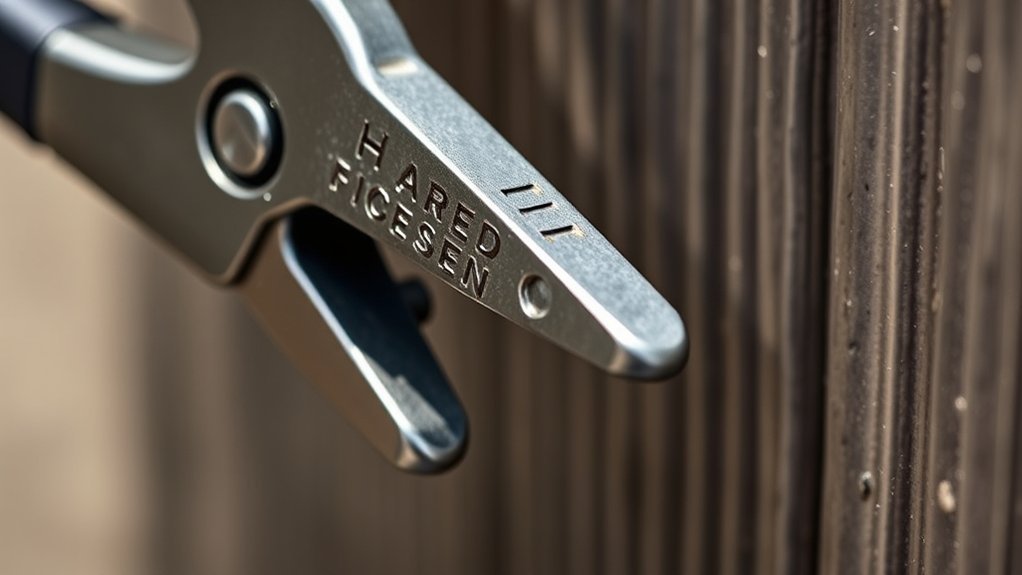
Although pliers are not suitable for all lock types, you can effectively cut through certain locks with the right tools and technique. Specifically, you’ll find success with padlock types that have thinner shackles made from softer metals.
Standard brass or steel shackles, common in low-to-mid security padlocks, are more manageable with strong, high-quality pliers. Conversely, hardened steel or boron alloy shackles resist cutting efforts and require specialized tools.
Strong pliers can cut standard brass or steel shackles, but hardened steel requires specialized tools.
Chain locks can also be targeted if the links are relatively thin and not made of hardened steel. When evaluating padlock types and chain locks, focus on the material composition and diameter; pliers excel at cutting softer metals under 6mm thickness.
Understanding these limitations guarantees you apply force efficiently and avoid tool damage.
Choosing the Right Pliers for Cutting Locks
Selecting the right pliers is essential for effectively cutting through locks without damaging your tools or wasting effort. Different plier types offer varying leverage and cutting capabilities, vital for applying proper cutting techniques. Here’s what you should consider:
- Bolt Cutters vs. Diagonal Pliers: Bolt cutters provide greater leverage for thick shackles, while diagonal pliers suit thinner lock components.
- Jaw Material: Hardened steel jaws resist wear and maintain sharpness, ensuring cleaner cuts.
- Handle Design: Ergonomic, non-slip grips improve control and reduce fatigue during cutting.
- Cutting Edge Geometry: A sharp, angled edge facilitates precise cuts, minimizing force required.
Step-by-Step Guide to Cutting a Lock Safely
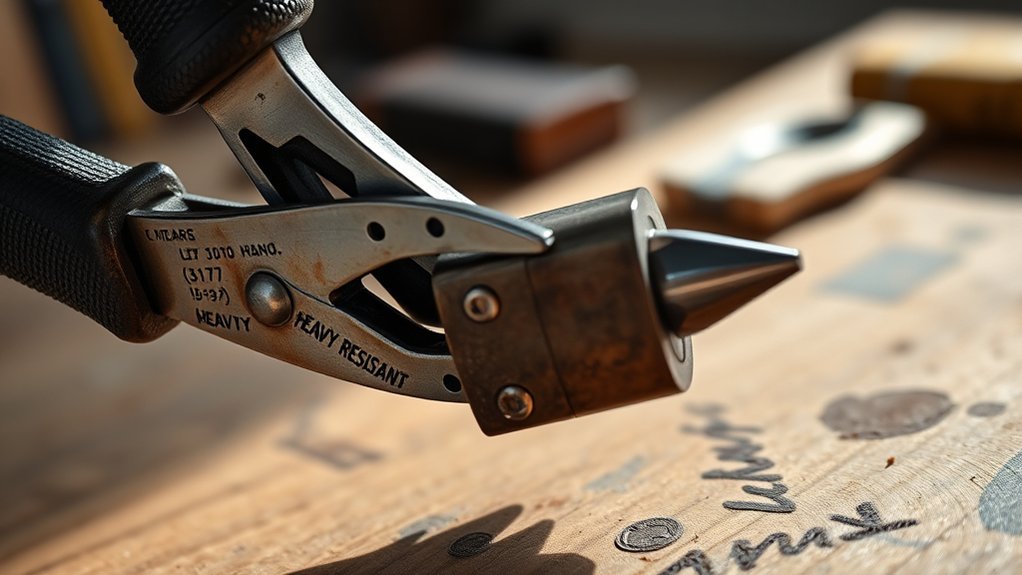
With the right pliers chosen, you can proceed to cutting the lock with confidence and control. Begin by securely positioning the lock in a stable area to prevent movement. Identify the lock materials; hardened steel may require more force or specialized cutting techniques compared to brass or aluminum.
Place the pliers’ cutting edge perpendicular to the lock shackle or body, guaranteeing maximum leverage. Apply steady pressure, using smooth, controlled motions to avoid damaging the tool or slipping. If resistance increases, reposition your grip or try multiple cutting points to weaken the lock structure.
Maintain a focused approach, adjusting your technique based on the lock’s hardness and thickness. Following these steps guarantees an efficient, precise cut without compromising your tools or safety.
Staying Safe When Cutting a Lock
Before you start cutting a lock with pliers, make certain you wear proper protective gear like safety goggles and gloves to prevent injury. Work in a well-lit, clutter-free area to maintain control and reduce hazards.
Prioritizing these safety measures guarantees you complete the task efficiently and without accidents.
Protective Gear Essentials
Personal protective equipment (PPE) plays a critical role in guaranteeing your safety when cutting a lock with pliers. Proper gear minimizes injury risks from sharp edges, flying debris, and sudden tool slips.
Equip yourself with the following essentials:
- Safety goggles. Protect your eyes from metal shards and dust.
- Cut resistant gloves. Shield your hands from sharp lock components and plier edges.
- Long-sleeve clothing. Provide additional skin protection against sparks or fragments.
- Closed-toe, sturdy footwear. Guard your feet from dropped tools or lock parts.
Wearing this PPE guarantees you maintain control and reduce hazards during the cutting process. Neglecting these items increases the likelihood of injury, so always prepare adequately before starting your task.
Safe Work Environment
Although cutting a lock with pliers demands physical effort, maintaining a safe work environment is equally essential to prevent accidents. Begin by organizing your work area, ensuring it is free from clutter and trip hazards. Choose a stable surface to operate on, which provides solid support and minimizes tool slippage.
Proper lighting is critical; insufficient illumination can cause mistakes or injury. Position yourself to maximize visibility of the lock and cutting points. Keep bystanders at a safe distance to avoid injury from flying debris or tool mishandling.
Regularly inspect your pliers for wear or damage before use. By adhering to these protocols, you reduce risks and enhance precision, ensuring a safe and efficient lock-cutting process.
Practical Tips for Cutting Locks More Easily
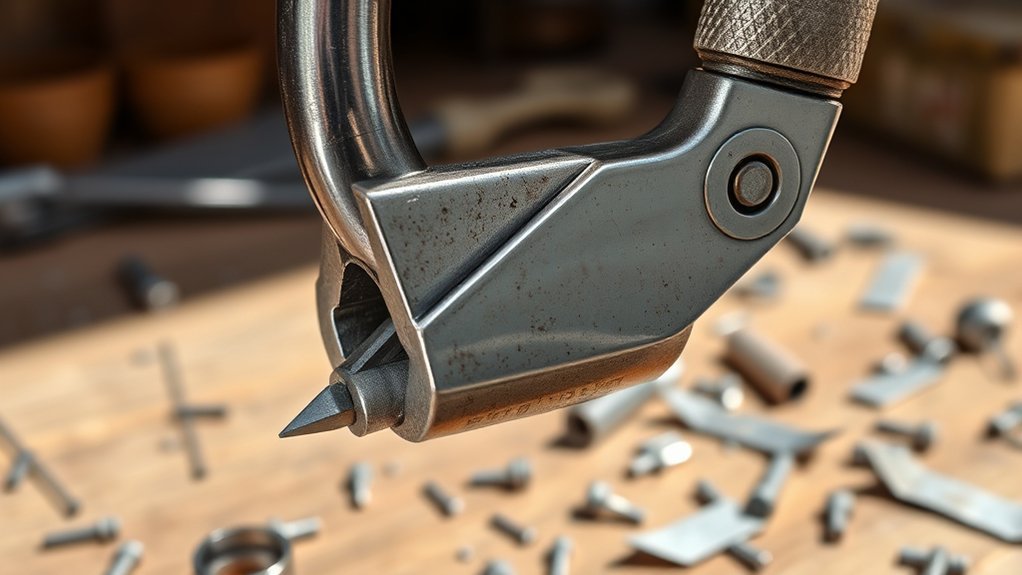
Three key techniques can greatly improve your efficiency when cutting locks with pliers. Understanding the cutting techniques and the lock materials is essential for a smoother process. Here’s what you should focus on:
- Select pliers with hardened steel jaws to withstand tough lock materials.
- Position the pliers near the lock’s hinge or weakest point to maximize cutting force.
- Apply steady, controlled pressure rather than quick, forceful snaps to prevent tool slippage.
- Rotate the lock slightly after each cut to expose fresh material and avoid dulling the plier edges.
Alternative Tools for Cutting Locks When Pliers Don’t Work
When pliers fail to cut through a lock, you’ll need to turn to alternative tools designed for tougher materials. Lock cutters and bolt cutters offer enhanced leverage and sharper blades to tackle hardened steel shackles and thick lock bodies.
Lock cutters are specialized for precision cutting, ideal for smaller locks or padlocks with thinner shackles. Bolt cutters, however, provide greater cutting force due to their long handles and compound hinges, making them suitable for heavy-duty locks.
When selecting these tools, verify their jaw opening and blade hardness match the lock’s specifications to maximize efficiency. Always maintain firm grip control and apply steady pressure to avoid damage or injury.
Using the right alternative tool will save time and effort when pliers prove insufficient.
What to Do After You’ve Cut the Lock
After cutting the lock, confirm you safely remove any sharp edges from the shackle to prevent injury. Next, focus on the following steps to guarantee security and functionality:
- Dispose of the cut lock responsibly to avoid hazards.
- Inspect the locking mechanism or hasp for damage caused during cutting.
- Proceed with lock replacement immediately to maintain security.
- Schedule routine lock maintenance to prevent future issues and prolong lifespan.
Legal Considerations Before Cutting a Lock
Guaranteeing safety and proper disposal after cutting a lock is important, but you must also be aware of the legal implications involved. Before you proceed, confirm legal ownership or have explicit lock permissions from the rightful owner.
Cutting a lock without authorization can lead to legal consequences, including charges of vandalism or theft. Verify documentation or obtain written consent to avoid disputes.
If the lock secures public or shared property, consult relevant authorities to guarantee compliance with local laws and regulations. Always act within legal boundaries to protect yourself from liability.
Understanding these legal considerations guarantees your actions remain justified and defensible, maintaining professional standards and respecting property rights.
Conclusion
Cutting a lock with pliers requires the right tools, proper technique, and safety precautions. You’ve learned how to choose suitable pliers, position the lock, and apply pressure effectively.
But why struggle blindly when you can work precisely and legally? Remember, always verify your permission before cutting and consider alternative tools if pliers aren’t enough.
With careful preparation and awareness, you’ll handle lock cutting efficiently and safely every time. Mastering how to cut a lock with pliers ensures you approach the task correctly and responsibly.