Skip to content
masonry bit unsuitable for wood

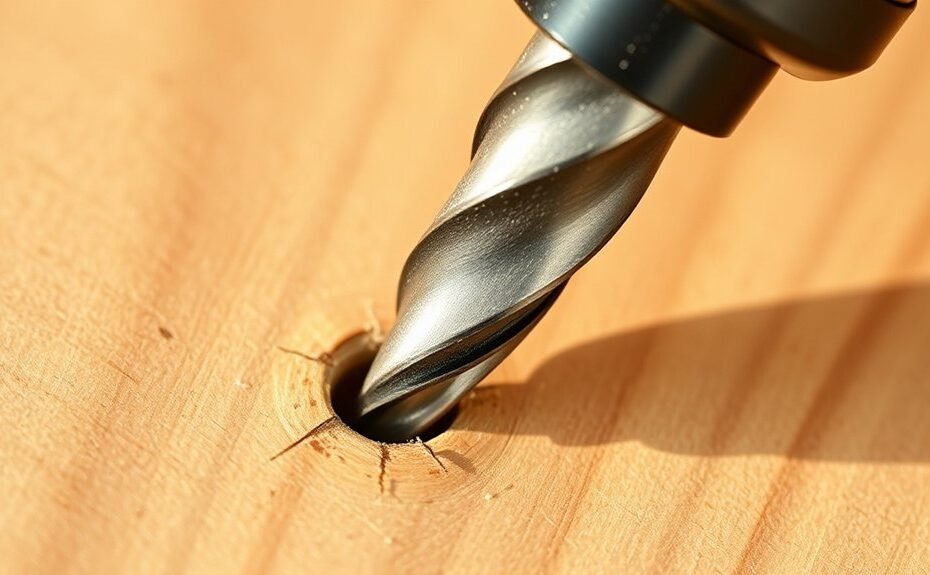
Can a Masonry Drill Bit Be Used on Wood

Did you know that over 60% of DIYers use the wrong drill bit for their projects? If you grab a masonry bit to work on wood, you might think it saves time, but it often leads to splintered surfaces and dull tools.

Understanding how these bits differ and when to use each can save you frustration and money. Let’s explore why a masonry bit might not be your best choice for wood.

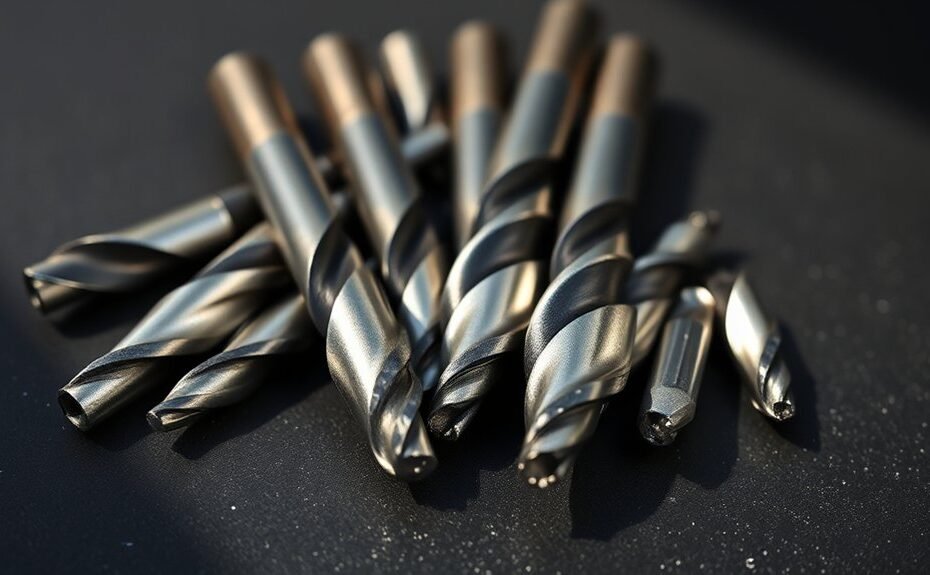
masonry drill bits colors

Are Masonry Drill Bits Black or Silver

When choosing masonry drill bits, you might notice they often come in black or silver finishes. These colors aren’t just aesthetic; they indicate differences in materials and coatings that affect performance and durability.

Understanding what each color represents can help you pick the right bit for your project, whether you’re drilling into concrete or softer brick. But what exactly do these color distinctions mean for your work?

core drill bits threading type

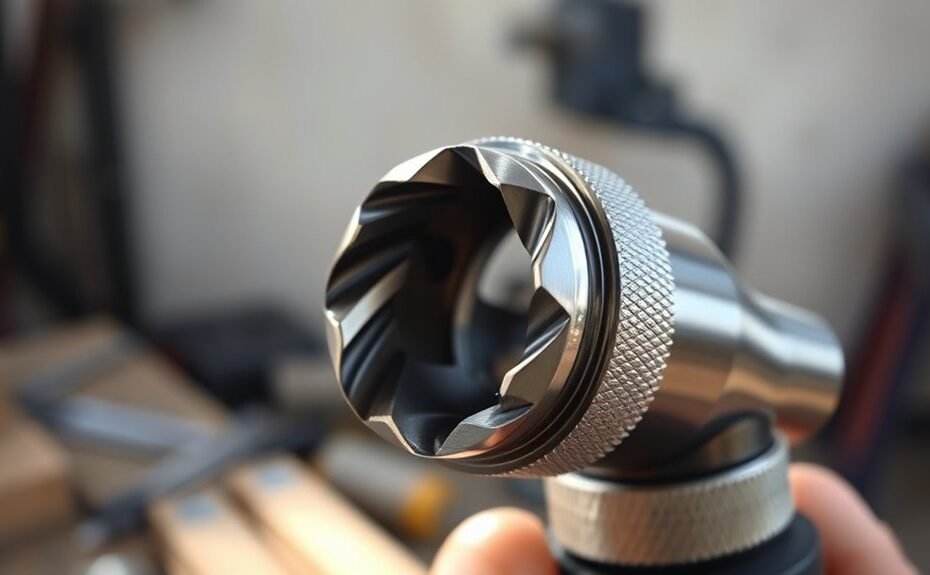
Are Core Drill Bits Reverse Threaded

Is the threading on your core drill bit working with you or against you? You might assume all core bits twist on the same way, but some actually use reverse threading, turning counterclockwise to tighten.

This design isn’t just a quirk. It plays a critical role in performance and safety during high-torque drilling. Understanding why and how this threading matters can change how you approach your next project.

metal drill bit suitability

Will a Metal Drill Bit Work on Brick

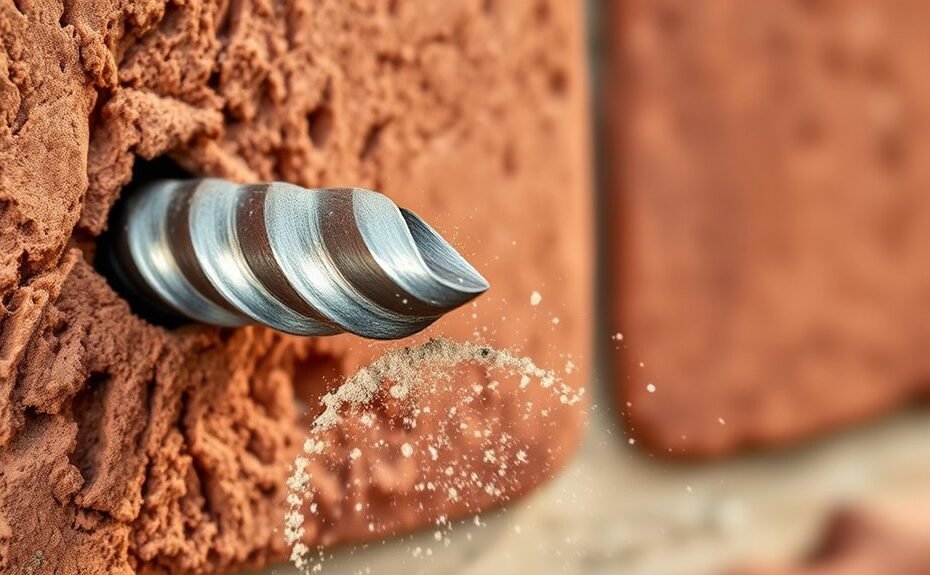
You might wonder if a standard metal drill bit can handle brick when you need to mount something outdoors or run wiring through a wall. While it’s possible to force a metal bit into brick, you’ll quickly notice it’s inefficient and risks damaging both the bit and the material.

Understanding why metal bits struggle and what alternatives exist can save you time and frustration on your project.

ceramic pot drill bit

What Type of Drill Bit for Ceramic Pot

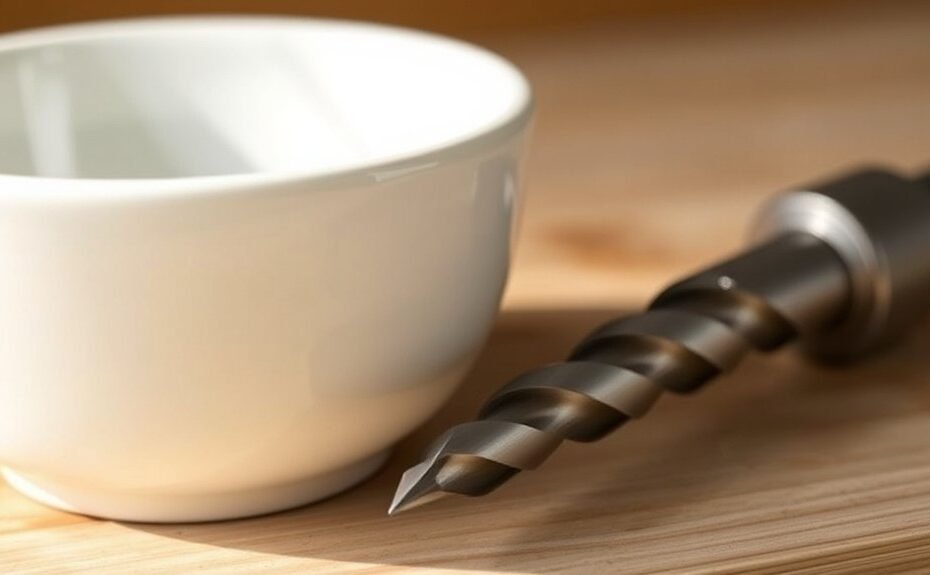
Think of drilling a ceramic pot like carving delicate ice; one wrong move, and it shatters. You need the right tool to handle its fragile surface. Using a standard drill bit is like using a blunt chisel on glass.

Selecting the proper drill bit not only preserves the pot’s integrity but also guarantees a clean, precise hole. The real question is: which type of drill bit will give you this balance of strength and finesse?

drill bit size needed

What Size Drill Bit for 5 16 Rivet Nut

Imagine trying to fit a puzzle piece that’s just slightly too big or small. It won’t lock in place securely. When you’re working with a 5/16 rivet nut, choosing the exact drill bit size is just as critical.

Too large, and the nut won’t grip; too small, and you risk damaging the material or the nut itself. Understanding the precise bit size for your rivet nut installation can save you time and guarantee structural integrity.

drill bit size recommendation

What Size Drill Bit for 3 8 Red Head

When you’re installing a 3/8 Red Head anchor, selecting the right drill bit size is critical for a secure fit. Using a drill bit that’s too large or too small can compromise the anchor’s holding power and safety.

Typically, a 3/8-inch drill bit matches the anchor’s diameter, but subtle variations in material and anchor type might require adjustments. Understanding these nuances will help you avoid common installation pitfalls.

drill bit size rebar

What Size Drill Bit for 1 2 Inch Rebar

When you’re preparing to install 1/2 inch rebar, choosing the right drill bit size is critical to guarantee a secure fit without compromising the surrounding material. Using a drill bit that’s too small can damage the rebar or make insertion difficult, while one that’s too large may weaken structural integrity.

Typically, a 5/8 inch bit provides the necessary clearance, but factors like concrete density and application specifics can influence this choice. Understanding these nuances will guide your selection process.

best drill bit selection

What Is the Best Drill Bit for Cast Iron

Drilling into cast iron is like maneuvering through a minefield. One wrong move and you risk cracks or ruined tools. You’ll need more than just any drill bit; selecting the right material and design is critical to avoid chipping and guarantee clean cuts.

Whether you lean toward carbide, cobalt, or high-speed steel, understanding their strengths and limitations will make all the difference in your project’s success. Let’s explore how to pinpoint the best choice for your specific needs.

acrylic sheet drill bit

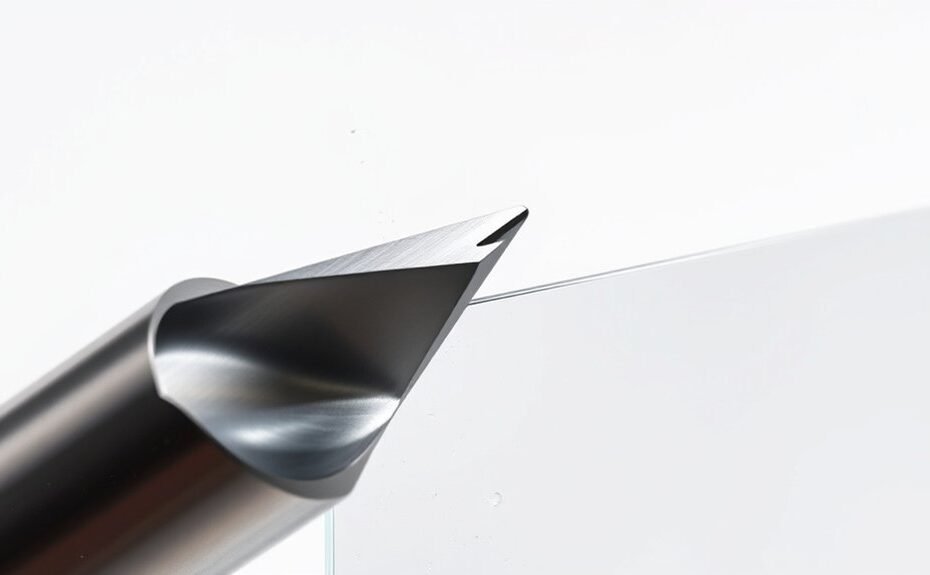
What Drill Bit for Acrylic Sheet

Drilling into acrylic is like walking a tightrope; you need balance and the right tools to avoid a costly slip. If you choose the wrong drill bit, you risk cracking or chipping the material.

Knowing which bit to use and how it interacts with acrylic can make all the difference between a clean hole and a ruined piece. Before you start, consider the specific characteristics that make acrylic unique and why standard bits often fall short.