Skip to content
sharpening drill bits possible

Can You Sharpen a Drill Bit

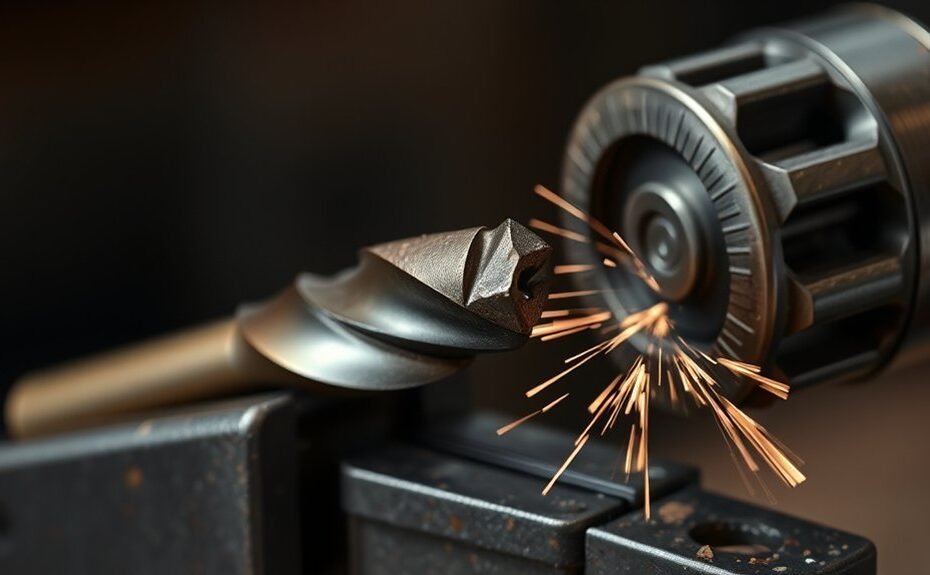
You might not realize it, but sharpening a drill bit can save you time and money while improving your drilling accuracy. If your bit starts producing rough holes or you notice it takes more effort to drill, it’s likely time to sharpen.

However, doing it correctly requires the right tools and technique to maintain the bit’s angle and cutting efficiency. Understanding these details can make the difference between a successful sharpen and a wasted bit.
light drill bit usage

Can Light Drill Bit

When you choose a light drill bit, you’re prioritizing maneuverability and reduced fatigue, but you might wonder if it can handle tougher materials like metal or concrete. Understanding the composition and design of these bits is essential to evaluating their true capabilities and limitations.

Before you decide on the right bit for your project, it’s important to weigh the trade-offs between lightweight convenience and the demands of your drilling task.

i drill bit size

What Size Is an I Drill Bit

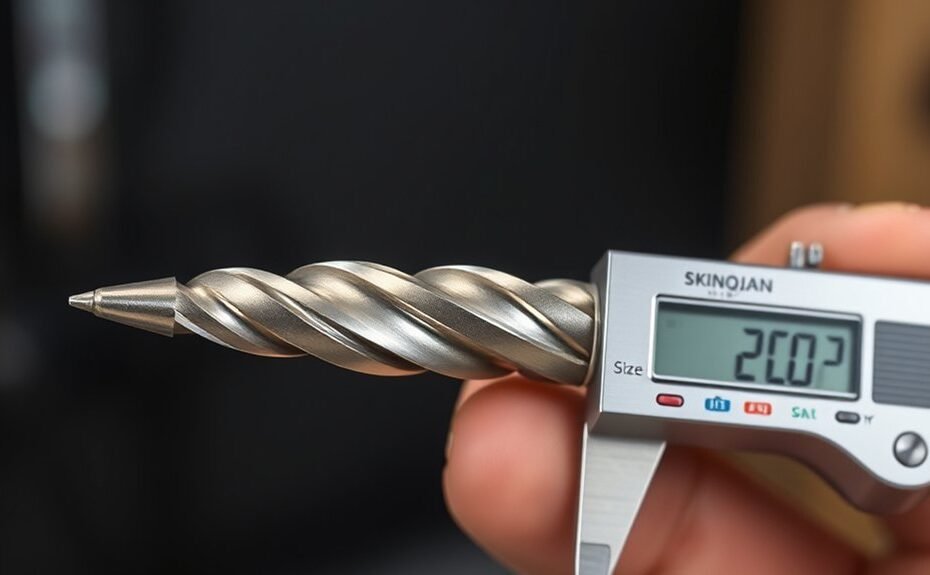
You might not realize that an I drill bit measures exactly 0.272 inches in diameter, larger than the more familiar #1 size but smaller than some standard fractional bits. This precise measurement translates to about 6.91 millimeters, a detail that can greatly impact your project’s fit and finish.

Understanding where this size fits among others is essential, especially when working with tight tolerances or specific materials, but how exactly does it compare and when should you choose it?

sharpening forstner drill bits

How to Sharpen a Forstner Drill Bit

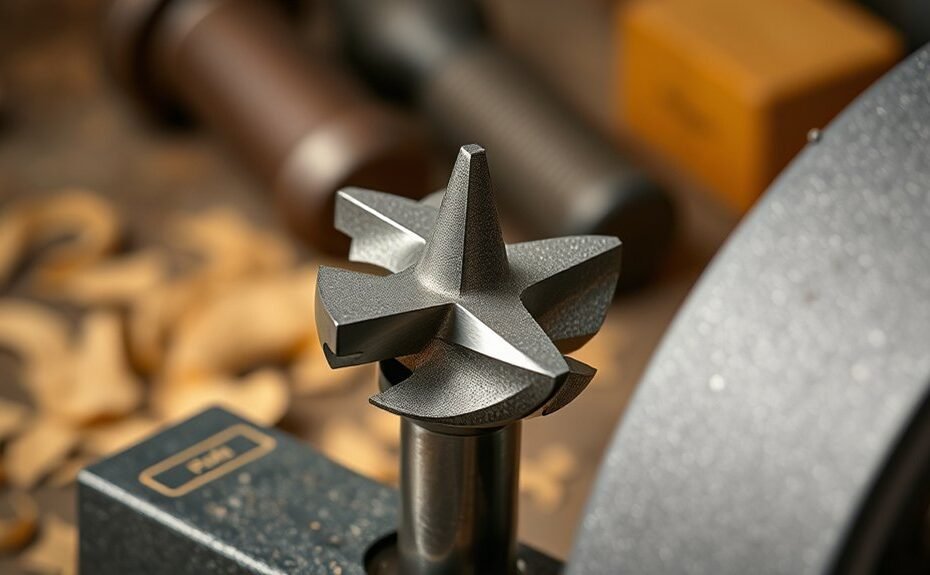
Sharpening a Forstner drill bit is like tuning a fine instrument. Precision matters. If you want clean, accurate holes, you can’t rely on a dull edge.

You’ll need the right tools and a steady hand to restore those flat cutting edges and the outer rim without altering their geometry. But before you start, it’s essential to understand exactly when and how to sharpen for the best results.

removing stuck drill bit

How to Remove Stuck Drill Bit From Keyless Chuck

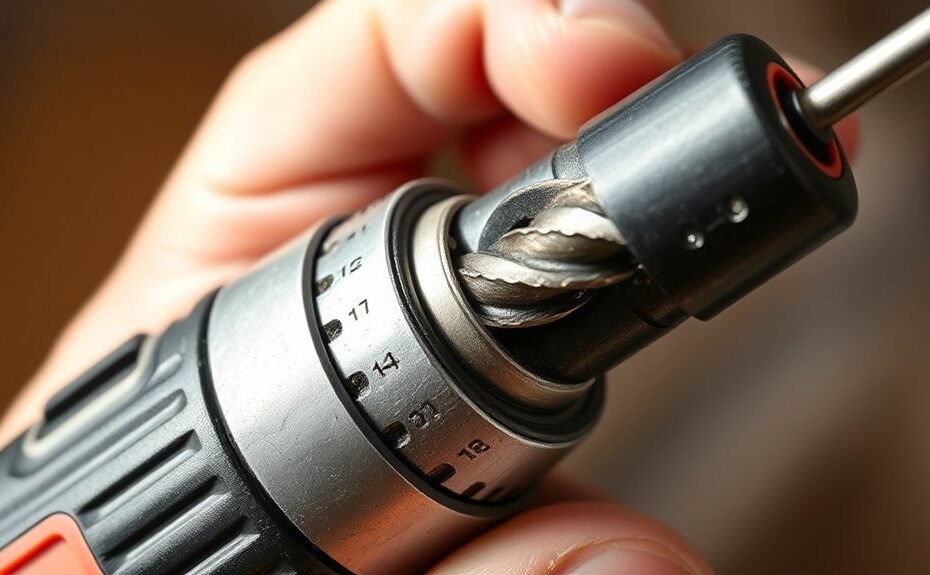
You might think that simply twisting the chuck by hand will free a stuck drill bit, but often debris or rust binds it tightly. Before applying force, you need to assess the best method to avoid damaging the chuck or bit.

Understanding the right sequence—from hand loosening to using lubricants and tools—can save you frustration and equipment. Let’s explore the precise steps to get that bit moving again without causing harm.

drill bit versatility limitations

Can a Regular Drill Bit Go Through Metal

You might wonder if a regular drill bit can penetrate metal effectively. While it can handle softer metals like aluminum or thin steel, its performance drops considerably with harder or thicker materials.

Using the wrong bit risks wear, breakage, and poor results. Before you proceed, it’s essential to understand the limits of standard bits and when specialized tools become necessary to guarantee precision and durability.

using rotary bits safely

Can I Use Rotary Bits in a Drill

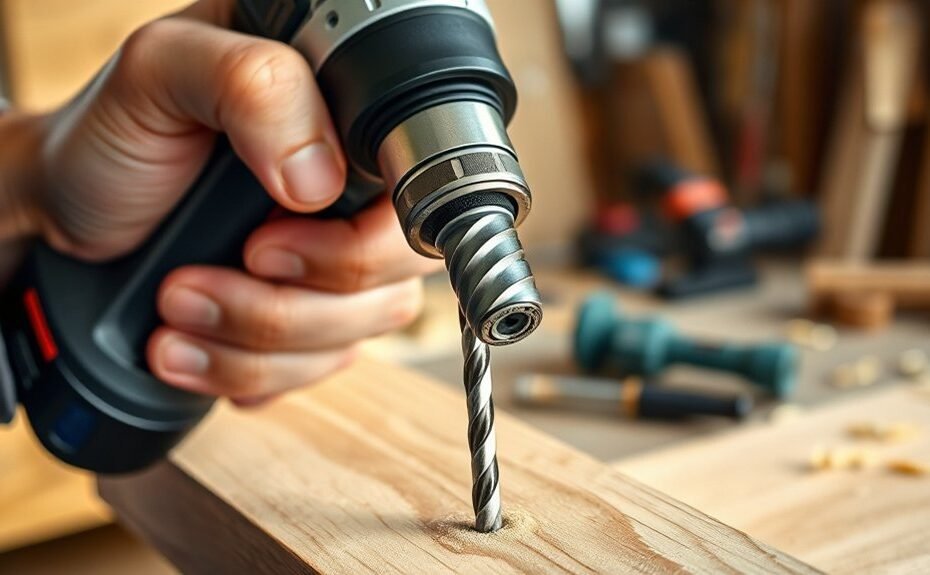
Just like a Swiss Army knife needs the right attachment, your drill demands compatible bits to perform well. You might wonder if rotary bits, known for their versatility, can simply be swapped into your standard drill.

The answer isn’t always straightforward. It hinges on factors like chuck size, bit shank, and drill type. Understanding these details can save you from damaging your tools or compromising your work quality.