If you work with tough materials like concrete or dense plastics, you’ll want can claw drill bits that can handle the challenge without dulling quickly or overheating.
Can claw drill bits are engineered with a distinctive claw-shaped cutting edge that optimizes chip removal and cutting efficiency.
But what exactly sets them apart from standard bits, and under which conditions will they deliver the best results?
Understanding these factors can greatly improve your drilling precision and tool longevity.
What Are Can Claw Drill Bits and How Do They Work?
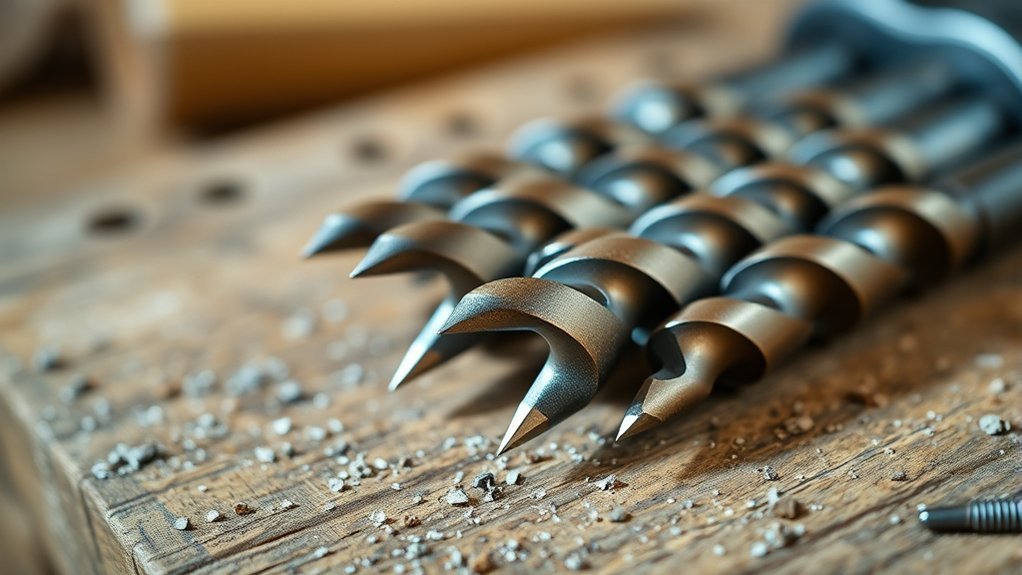
Can claw drill bits are specialized cutting tools designed to efficiently bore through tough materials by combining rotational motion with a unique claw-like cutting edge. When you use a can claw bit, its sharp, curved claws engage the material, cutting and removing debris simultaneously.
This design optimizes chip evacuation, reducing heat buildup and improving drilling speed. In various drill applications, can claw bits excel at penetrating metals, composites, and dense plastics, where conventional bits might struggle.
You’ll notice that these bits maintain consistent cutting pressure, minimizing tool deflection and enhancing precision. Understanding how can claw drill bits operate helps you select the right tool for demanding tasks, ensuring reliable performance and extended bit life in industrial and manufacturing environments.
What Makes Can Claw Drill Bits Unique?
Although many drill bits offer specialized functions, claw drill bits stand out due to their distinctive cutting geometry and chip evacuation system. You’ll appreciate how their uniquely curved claw-like flutes optimize chip removal, preventing clogging and enhancing drilling efficiency.
The design advantages extend to the bit’s ability to maintain a steady cutting action, reducing heat buildup and wear. Additionally, the material composition plays an essential role: manufacturers often use high-speed steel or carbide alloys, which provide superior hardness and durability.
This combination of precise geometry and robust materials guarantees consistent performance in demanding applications. When you choose a claw drill bit, you leverage these engineered benefits that balance strength, precision, and effective debris management, making it uniquely suited for challenging drilling tasks.
When Should You Use a Can Claw Drill Bit?
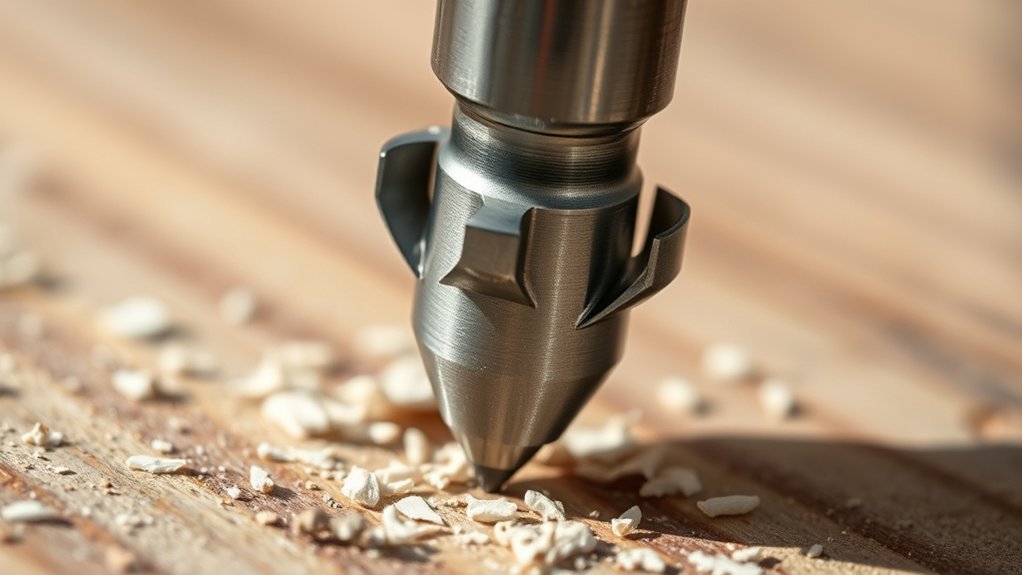
When do you need a drill bit that excels in managing tough materials and sustained cutting demands? You should consider using a can claw drill bit during drilling applications involving dense, abrasive surfaces such as masonry, concrete, or certain metals.
Use a can claw drill bit for tough materials like masonry, concrete, and certain metals requiring sustained cutting performance.
These bits provide enhanced durability and efficient chip removal, reducing heat buildup and maintaining cutting performance. Additionally, you’ll find them indispensable when precision and bit longevity are critical under continuous use.
However, verify bit compatibility with your drill’s chuck size and rotational speed to optimize performance and avoid premature wear. Using a can claw drill bit outside its ideal parameters can compromise drilling efficiency and tool lifespan.
Consequently, evaluate your material hardness, drilling depth, and machine specifications carefully before selecting this specialized bit.
Choosing the Right Can Claw Drill Bit
Selecting the appropriate claw drill bit depends on matching the bit’s design and material composition to your specific drilling conditions. For ideal bit selection, evaluate the substrate hardness and moisture content, as claw bits excel in softer, fibrous materials but vary in effectiveness.
Choose bits with carbide or high-speed steel tips for durability and precise cutting. Consider the claw geometry: wider claws enhance debris removal but may reduce precision, whereas narrower claws offer finer control.
Project suitability demands evaluating the bit diameter relative to your hole size requirements and the drill’s torque capacity to prevent bit damage or inefficient drilling. By aligning these parameters, you guarantee efficient penetration, extended bit life, and clean hole quality tailored to your project’s demands.
How to Use Can Claw Drill Bits Safely
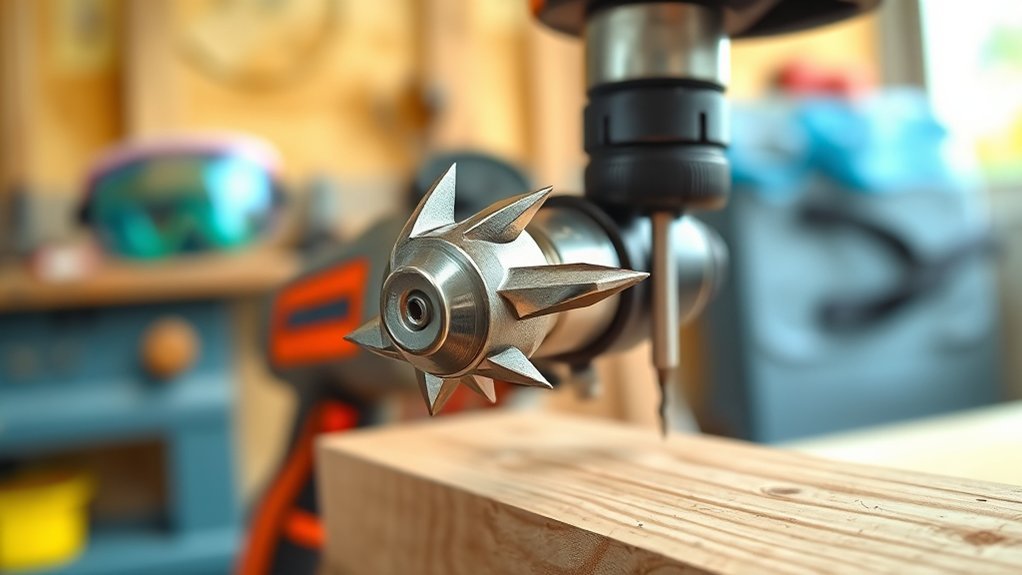
Because can claw drill bits operate under high torque and generate significant friction, you must follow strict safety protocols to prevent injury and equipment damage. Proper drill bit handling is essential to control torque spikes and reduce the risk of bit slippage.
Always wear protective gear to shield against flying debris and heat generated during drilling.
Key safety precautions include:
Securely clamp the workpiece to prevent movement.
Use the correct drill speed to minimize bit overheating.
Maintain a firm grip on the drill to control torque reaction.
Inspect the bit for damage before use to avoid breakage.
Maintaining and Sharpening Can Claw Drill Bits
You need to clean your claw drill bits thoroughly to remove debris and prevent corrosion before sharpening. Use the correct tools, such as a bench grinder or diamond file, to maintain the cutting edges accurately.
Regularly inspect the bits for wear or damage to guarantee peak performance and safety.
Proper Cleaning Techniques
Maintaining claw drill bits starts with proper cleaning techniques that prevent buildup and corrosion, ensuring peak performance and longevity. You should select appropriate cleaning solutions that dissolve resin and metal shavings without damaging the bit’s steel composition.
Adhere to a strict maintenance frequency based on usage intensity; frequent cleaning avoids abrasive residue accumulation. Use precision tools to access tight areas between claws for thorough debris removal. Key steps include:
Submerge bits in a mild, non-corrosive cleaning solution
Use a soft-bristle brush to dislodge particles
Rinse thoroughly with clean water to remove residues
Dry completely to prevent oxidation before storage
Sharpening Tools Needed
Three essential tools form the foundation for sharpening claw drill bits effectively: a bench grinder or rotary tool with appropriate grinding attachments, a set of fine and coarse diamond files, and a magnifying loupe for detailed inspection. The bench grinder or rotary tool allows you to reshape the bit edges swiftly, addressing significant dulling or deformation.
Diamond files provide the precision necessary for refining cutting surfaces, enabling you to execute controlled sharpening techniques and restore sharpness without removing excess material. The magnifying loupe serves as an indispensable tool, letting you scrutinize the bit’s cutting edge under magnification, ensuring uniformity and preventing over-grinding.
Inspection For Wear
Before sharpening claw drill bits, closely inspect the cutting edges for signs of wear such as chipping, rounding, or uneven surfaces. Effective inspection techniques involve a detailed visual and tactile assessment to identify wear indicators that impact drilling performance.
Use magnification tools to detect micro-chips or edge deformation that might not be visible to the naked eye. Focus on:
- Edge sharpness consistency
- Presence of burrs or nicks
- Surface smoothness along the claw edges
- Symmetry between opposing cutting faces
Conclusion
When you choose can claw drill bits, you’re equipping yourself with precision tools designed to conquer tough materials efficiently. Their unique claw geometry and chip evacuation keep your work seamless, like a well-oiled machine.
Remember to match the bit to your drill and material, use proper technique, and maintain sharpness for peak performance.
With careful handling, these bits won’t just drill—they’ll carve through challenges with surgical accuracy every time, making can claw drill bits an essential addition to your toolkit.