Did you know that over 60% of DIYers use the wrong drill bit for their projects?
When it comes to drilling into wood, many wonder: can a masonry drill bit be used on wood?
You might think using a masonry bit on wood saves time, but it often leads to splintered surfaces and dull tools.
Masonry bits are designed specifically for hard materials like concrete and brick, not the softer fibers of wood.
Understanding how these bits differ and when to use each can save you frustration and money.
Let’s explore why a masonry bit might not be your best choice for wood.
How Are Masonry and Wood Drill Bits Different?
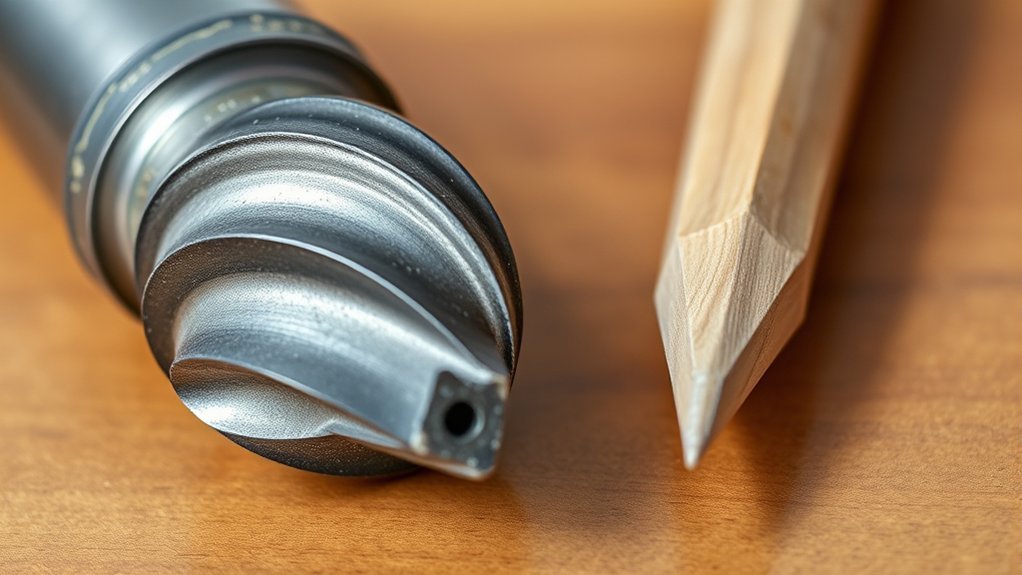
Although both masonry and wood drill bits are designed to create holes, they differ considerably in their construction and purpose. Masonry bits feature a tough carbide tip that withstands the abrasive nature of concrete, brick, and stone.
In contrast, wood drill bits usually have a sharp, pointed tip made from high-speed steel to cut cleanly through softer materials. These bit materials directly influence the drilling techniques you use.
With masonry bits, you typically need a hammer drill setting to chip away material, while wood bits rely on smooth, steady rotation to slice fibers without splintering. Understanding these differences helps you choose the right bit and technique for the job, ensuring efficiency and preventing damage to both your tools and workpieces.
Can You Safely Use a Masonry Drill Bit on Wood?
Masonry drill bits are built with a tough carbide tip designed to chip through hard materials like concrete and brick, while wood drill bits have sharp, pointed tips for cleanly cutting softer wood fibers. Using a masonry bit on wood isn’t ideal. You’ll sacrifice wood drilling safety and reduce masonry bit performance due to incompatible design.
Here’s a quick comparison:
| Feature | Masonry Bit | Wood Bit |
|---|---|---|
| Tip Design | Carbide, blunt chisel | Sharp, pointed |
| Material Cut | Concrete, brick | Softwood, hardwood |
| Drilling Speed | Slower, percussive action | Faster, smooth cutting |
For safe, efficient drilling, stick to wood bits on wood. Using masonry bits may cause splintering, bit wear, and unsafe conditions.
How to Choose the Right Masonry or Wood Drill Bit
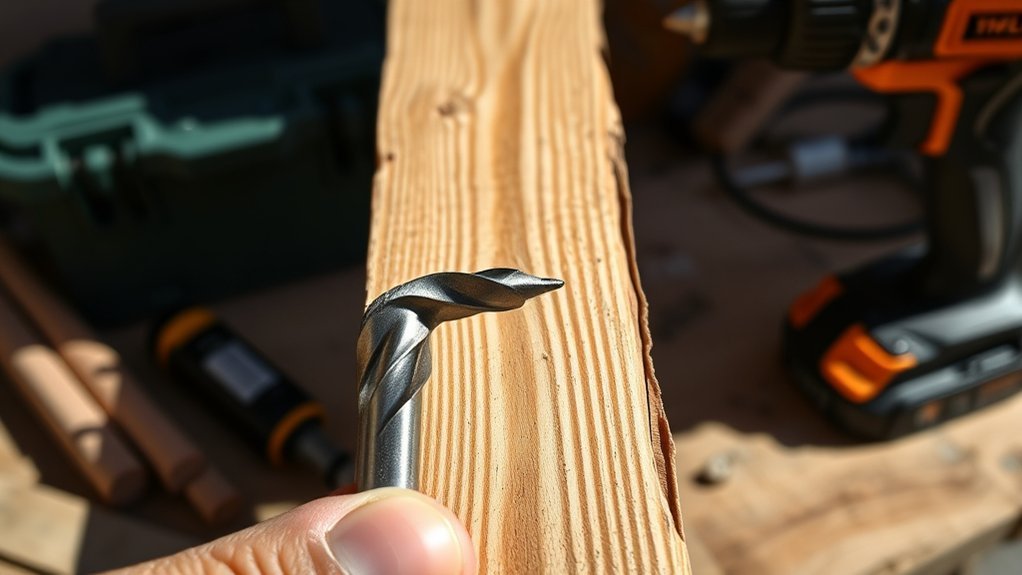
How do you pick the right drill bit for your project? First, consider the bit material. For wood, high-speed steel (HSS) or brad-point bits work best, providing clean holes without splintering.
Masonry bits usually have a carbide tip, designed to handle tough materials like brick or concrete but aren’t ideal for wood. Next, think about drill sizes. Choose a bit size that matches your screw or anchor to guarantee a secure fit.
Using the wrong size can either weaken the hold or split the wood. Finally, match the bit type to the material you’re drilling to avoid damage and achieve clean results. Selecting the right combination of bit material and drill sizes will save you time and guarantee your project looks professional.
Common Mistakes to Avoid When Using Masonry and Wood Bits
When you mix up masonry and wood drill bits or use them improperly, you risk damaging both your tools and materials. Avoid these common masonry bit mistakes and wood bit errors to get the best results:
- Using a masonry bit on wood at high speed can burn the wood and dull the bit quickly.
- Forcing a wood bit into masonry will wear down the bit and might break your drill.
- Not cleaning debris from the bit regularly reduces cutting efficiency and causes overheating.
- Ignoring the correct drill setting is a problem. Masonry bits need hammer mode, while wood bits require regular drilling.
Tips for Drilling Hard Wood With Masonry Bits
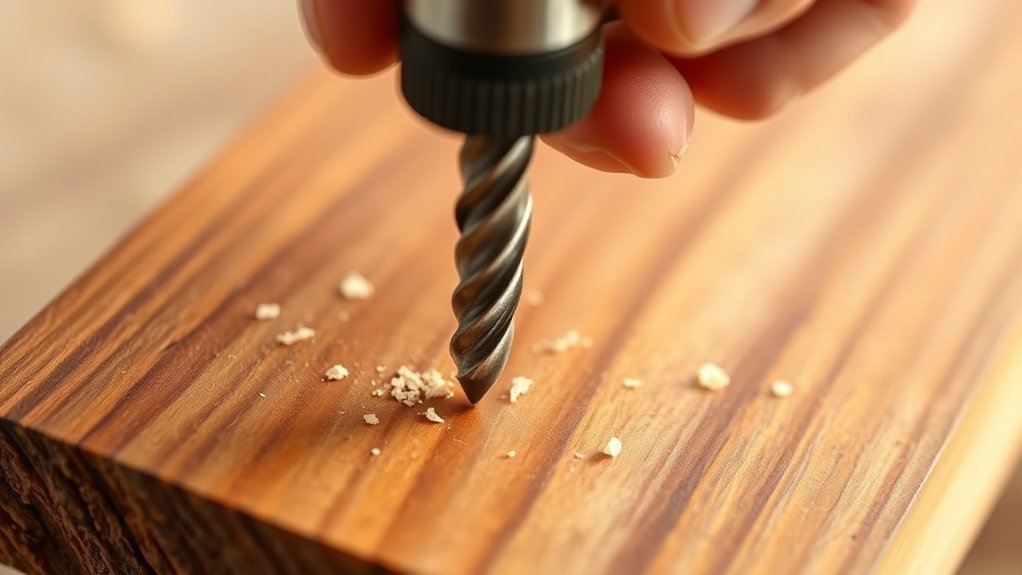
Although masonry bits aren’t designed for wood, you can still use them to drill hard wood if you take certain precautions. First, start with a slow drill speed to maintain control and reduce heat buildup, which can dull the bit quickly.
Use steady, moderate pressure rather than forcing the bit through the wood. Employ hardwood techniques like pre-drilling a small pilot hole to guide the masonry bit and prevent wandering.
Keep the bit cool by pausing regularly and wiping away dust. Avoid excessive speed spikes, as masonry bits lack the sharp cutting edges typical for wood and rely on grinding action instead.
What Happens if You Drill Wood With a Masonry Bit?
If you use a masonry bit to drill wood, you’ll likely encounter several issues because these bits are designed specifically for masonry materials like brick and concrete. First, your drilling efficiency will drop considerably since masonry bits have a blunt tip, making it hard to penetrate soft wood smoothly.
Second, the bit durability may suffer as the cutting edges aren’t optimized for wood fibers, causing faster wear. Third, you might experience excessive splintering or tearing around the hole because masonry bits don’t cleanly cut wood like wood-specific bits.
Fourth, your drill motor could strain due to the bit’s design, which isn’t ideal for the softer, fibrous texture of wood. Overall, using a masonry bit on wood reduces performance and damages both your tool and workpiece.
How to Maintain Your Masonry and Wood Drill Bits
Proper maintenance keeps your masonry and wood drill bits sharp, efficient, and longer-lasting. Start by cleaning your bits after each use. Remove dust and debris with a stiff brush or compressed air; for stubborn residue on masonry bits, use a wire brush. Avoid water to prevent rust.
Next, inspect the cutting edges; sharpen dull wood bits with a diamond file and masonry bits with a specialized sharpener. Always dry bits thoroughly before storing them.
For bit storage, keep them in a dry, organized case or rack to prevent damage and rust. Avoid tossing bits loosely into a toolbox where they can chip or dull. Regular cleaning and proper storage guarantee your drill bits perform reliably and save you money in the long run.
Conclusion
You might be tempted to grab a masonry bit for wood, but that’s biting off more than you can chew. Using the wrong bit risks splintering, overheating, and dulling your tools faster than you’d expect.
Stick to wood-specific bits like high-speed steel or brad-point to get clean, precise holes without damage. Taking the right precautions saves you time and frustration.
Because when it comes to drilling, using the right tool is half the battle won. So, can a masonry drill bit be used on wood? It’s best to avoid it and choose the proper bit designed for wood instead.