You can use linseed oil on leather, but you should be cautious.
Linseed oil nourishes and protects leather by adding moisture and creating a barrier. However, it may cause stiffness, darkening, or sticky residue if over-applied or not fully cured.
Always test linseed oil on a small hidden area first and apply it sparingly.
Linseed oil isn’t ideal for delicate or finished leathers.
If you want to understand its effects, risks, and safer alternatives, keep exploring these important details.
What Is Linseed Oil and How Is It Used
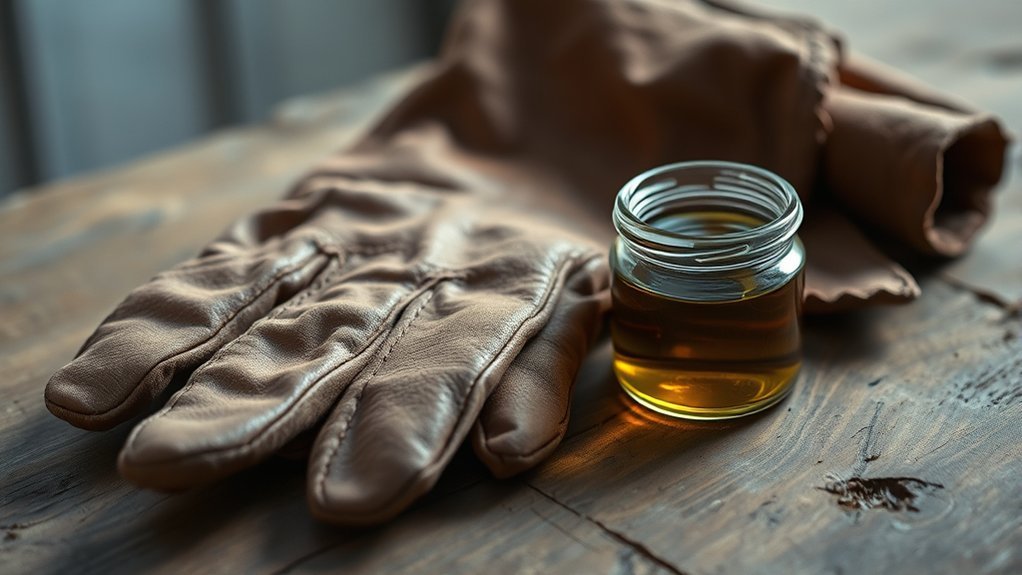
Linseed oil, derived from flax seeds, is a natural drying oil commonly used to protect and condition various materials, including leather. You’ll find linseed oil uses extend beyond leather care; it’s widely employed in wood finishing, paint production, and even as a nutritional supplement.
When applied, linseed oil penetrates surfaces, providing a protective barrier that enhances durability and moisture resistance. The linseed oil benefits include its ability to nourish and preserve materials, preventing cracking and drying out.
Its natural composition makes it an eco-friendly option compared to synthetic alternatives. Understanding these uses and benefits helps you appreciate why linseed oil is valued in multiple industries, especially for maintaining the longevity and appearance of organic materials like leather.
Is Linseed Oil Safe and Effective for Conditioning Leather?
You’ll want to understand linseed oil’s properties before applying it to leather, as its drying and moisturizing effects can impact the material’s condition. While it can nourish and protect leather, improper use may cause darkening or damage.
Let’s review how to safely and effectively use linseed oil for conditioning your leather items.
Linseed Oil Properties
Although commonly known as a natural oil derived from flax seeds, this substance has unique properties that can impact leather conditioning. Understanding linseed oil composition is essential before applying it to leather.
It primarily consists of polyunsaturated fatty acids, particularly alpha-linolenic acid, which gives it drying characteristics through oxidation. This drying ability contributes to some linseed oil benefits, such as forming a protective layer on surfaces.
However, this oxidation can also mean it may polymerize and harden over time. When conditioning leather, these chemical traits influence how the oil interacts with the material.
While linseed oil can provide moisture and protection, its drying nature and composition require careful consideration to avoid potential stiffness or discoloration. Knowing these properties helps you decide if linseed oil suits your leather care needs.
Effects on Leather
While it can add moisture and a protective layer, using linseed oil on leather requires caution due to its drying and oxidizing properties. When you apply linseed oil, consider how its oil absorption affects leather preservation.
Over time, the oil can harden, potentially making the leather brittle instead of supple. You might experience:
- Uneven oil absorption causing patchy discoloration.
- Accelerated oxidation that weakens leather fibers.
- A sticky or tacky surface if not fully cured.
- Difficulty reversing damage if applied excessively.
Because linseed oil dries through oxidation, it may not be the safest or most effective choice for conditioning leather. Understanding these effects is essential before deciding to use it, ensuring you protect your leather goods rather than inadvertently causing harm.
Application Safety Tips
Since linseed oil can cause brittleness and uneven discoloration, you should approach its use on leather with care. Proper application methods and safety precautions are vital to minimize risks and achieve ideal conditioning results. Always test on a small, hidden area first.
Use a soft cloth to apply a thin, even layer, avoiding over-saturation. Guarantee good ventilation to prevent inhaling fumes and store linseed oil away from heat sources due to its flammability.
| Application Methods | Safety Precautions |
|---|---|
| Use soft cloth, thin layer | Test on hidden area first |
| Avoid over-saturation | Work in well-ventilated spaces |
| Allow full drying time | Store away from heat and flames |
How Linseed Oil Affects Leather’s Texture and Durability
When you apply linseed oil to leather, it gradually softens the material, enhancing its texture over time. This conditioning also helps strengthen the leather fibers, improving overall durability.
Understanding these effects guarantees you use linseed oil effectively without compromising the leather’s integrity.
Texture Changes Over Time
Although applying linseed oil can initially soften leather, you’ll notice its texture gradually changes as the oil penetrates and reacts with the material over time. This texture evolution is a natural part of leather aging enhanced by linseed oil’s interaction. Here’s what you can expect:
- Initial softness as the oil moisturizes and loosens fibers.
- Slight darkening, which deepens the leather’s character.
- A firmer, more resilient surface after the oil cures.
- Potential for a slightly tacky feel if over-applied or not fully absorbed.
Understanding these changes helps you manage your leather’s condition effectively. Linseed oil supports aging by enriching the leather’s texture but requires careful application to maintain its desirable qualities without compromising its feel.
Impact on Leather Strength
Even as linseed oil enhances the texture of your leather, it also plays an essential role in strengthening its fibers. The oil penetration into the leather’s pores improves leather flexibility, reducing the risk of cracking and brittleness over time.
By nourishing the fibers, linseed oil helps maintain the leather’s structural integrity, making it more resilient to wear and tear. However, it’s important to apply linseed oil sparingly and evenly to avoid oversaturation, which can weaken the surface or cause stickiness.
Properly absorbed linseed oil forms a protective layer that supports durability while preserving the leather’s natural feel. Ultimately, when used correctly, linseed oil can greatly enhance both the texture and strength of your leather items, extending their lifespan and maintaining their aesthetic appeal.
Risks and Drawbacks of Using Linseed Oil on Leather
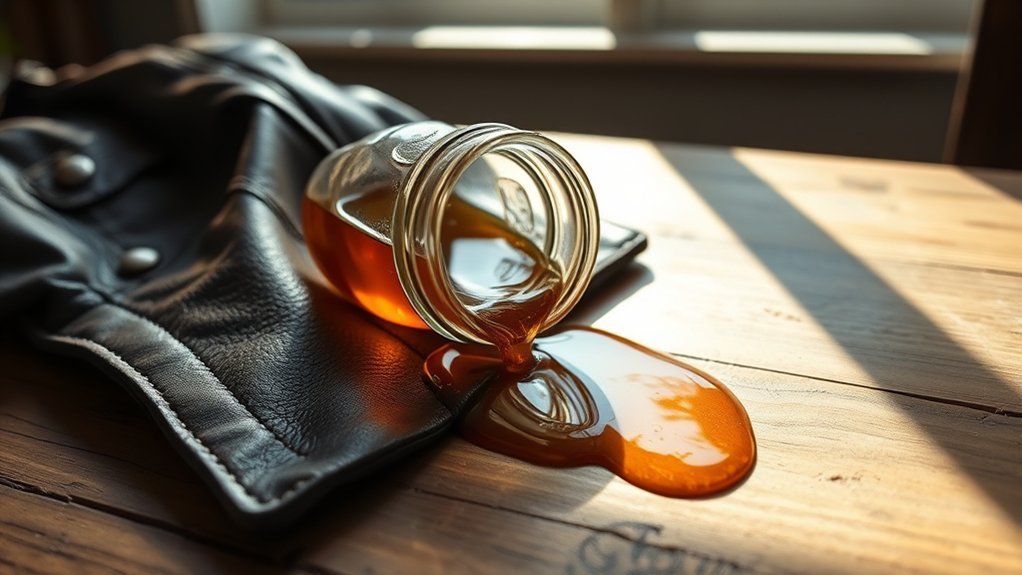
Because linseed oil is highly absorbent and prone to oxidation, using it on leather can sometimes lead to unintended consequences such as darkening, stiffness, or a sticky residue. When considering linseed oil for leather care, you should be aware of these risks:
Linseed oil on leather can cause darkening, stiffness, or a sticky residue due to its absorbent and oxidizing nature.
- Darkening: Linseed oil can permanently alter the leather’s color, making it darker than intended.
- Stiffness: Over-application may cause the leather to lose its natural suppleness.
- Sticky Residue: Improper drying can leave a tacky surface, attracting dirt and dust.
- Oxidation: The oil can oxidize over time, potentially leading to unpleasant odors or degradation.
Knowing these drawbacks helps you decide whether linseed oil suits your leather care needs or if alternative treatments are safer.
How to Apply Linseed Oil to Leather Properly
Understanding the potential risks of using linseed oil on leather helps you approach its application with care. To apply linseed oil properly, start by cleaning the leather surface thoroughly to remove dirt and debris.
Use a soft cloth to apply a thin, even layer of oil using gentle circular motions; this guarantees consistent oil absorption without oversaturating the leather. Avoid heavy application, as excess oil can cause stickiness and long drying times.
Allow the leather to absorb the oil naturally in a well-ventilated area, checking periodically to prevent over-penetration. After absorption, buff the surface lightly with a dry cloth to remove any residual oil and restore the leather’s natural luster.
Natural Alternatives to Linseed Oil for Leather Care
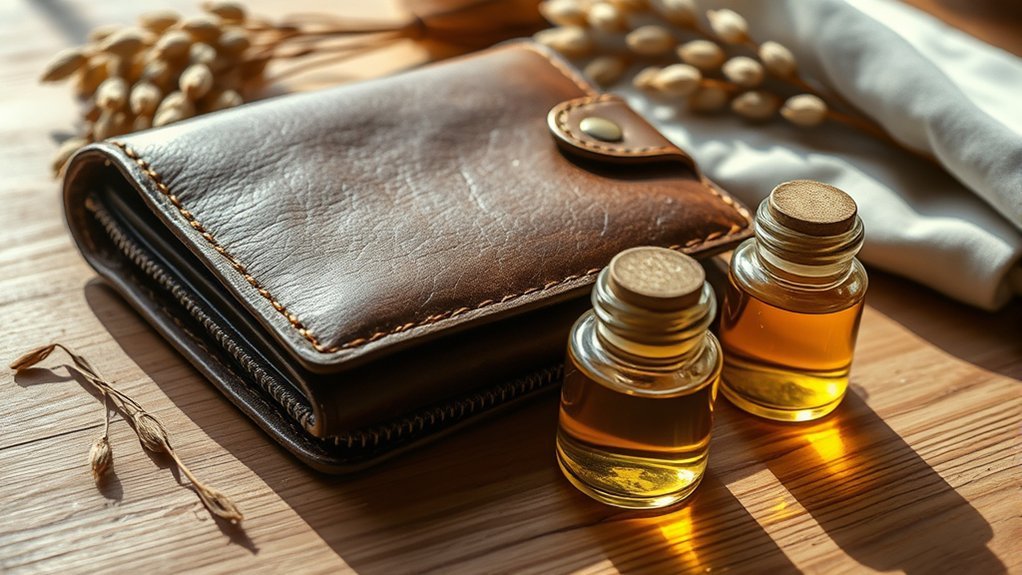
While linseed oil is popular for leather care, you might want to explore natural alternatives that offer similar conditioning benefits without some of its drawbacks. Here are four effective options to evaluate:
- Beeswax: Known for its beeswax benefits, it forms a protective barrier that repels water and dirt while nourishing the leather.
- Coconut oil: This natural oil softens leather, enhances flexibility, and provides mild antimicrobial properties.
- Almond oil: Lightweight and easily absorbed, almond oil moisturizes leather without leaving a greasy residue.
- Jojoba oil: Closely mimicking natural leather oils, jojoba oil restores suppleness and prevents cracking.
Best Practices for Maintaining Leather’s Longevity and Conditioning
Choosing the right product is only one part of caring for your leather; how you maintain and condition it regularly will greatly affect its durability and appearance. To extend the life of your leather, start with proper leather cleaning. Use a soft cloth and gentle cleanser to remove dirt without stripping natural oils.
Avoid harsh chemicals that can dry out the material. After cleaning, apply a suitable conditioner evenly to restore moisture and flexibility. For leather storage, keep items in a cool, dry place away from direct sunlight and humidity, which can cause cracking or mold.
Use breathable covers rather than plastic to prevent moisture buildup. Regularly inspecting and conditioning your leather guarantees it stays supple and attractive over time, preserving its value and functionality.
When to Avoid Oils and Use Specialized Leather Conditioners
Although oils like linseed oil can nourish certain types of leather, you should avoid using them on delicate or treated leathers, as they may cause discoloration or damage. Different oil types interact uniquely with leather treatments, so knowing when to skip oils is vital.
Instead, opt for specialized leather conditioners designed for sensitive or treated materials. You should avoid oils and choose conditioners when:
- Your leather has a protective finish or waterproof coating.
- The leather is delicate, like suede or nubuck.
- You notice uneven color or spots after applying oils.
- The product instructions specify against oil use.
Using the right product preserves your leather’s appearance and longevity without risking harm from incompatible oil types.
Frequently Asked Questions
Can Linseed Oil Be Used on All Types of Leather?
You shouldn’t use linseed oil on all leather types because oil absorption varies widely. Some leathers absorb it well, while others might darken or become sticky.
Test on a small area to verify compatibility before full application.
How Long Does Linseed Oil Take to Dry on Leather?
Drying time? Oh, just a casual eternity as linseed oil luxuriates in leather’s embrace. Expect oil absorption to take 24-72 hours, depending on conditions, so patience is key for that perfect, supple finish.
Does Linseed Oil Change the Color of Leather?
Yes, linseed oil can darken leather slightly, so it may alter color preservation. However, it’s effective for leather conditioning, enhancing suppleness while imparting a richer tone without damaging the material’s integrity.
Can Linseed Oil Cause Leather to Become Sticky?
Like fresh paint drying, linseed oil can leave a sticky residue if applied excessively on leather. For proper leather maintenance, you’ll want to use it sparingly and allow thorough drying to avoid tackiness and preserve texture.
Is Linseed Oil Safe for Leather Items Used Outdoors?
You shouldn’t use linseed oil for outdoor leather care since it can cause stickiness and attract dirt.
While linseed oil benefits wood, it’s not ideal for leather exposed to weather, risking damage and reduced durability.
Conclusion
Think of using linseed oil on leather like watering a delicate plant—you might help it grow, but overdo it, and you risk damage. While linseed oil can condition leather, it’s not always the safest choice due to potential stiffness and darkening.
For lasting care, it’s best to stick with products designed specifically for leather. That way, you’ll keep your leather supple and strong, just like nurturing that plant with the right balance of water and sunlight.
In conclusion, while linseed oil on leather may seem beneficial, it’s generally better to use dedicated leather care products to ensure the material’s health and longevity.