Woodworking clamps are expensive because they require precision engineering to deliver consistent, reliable clamping pressure, which is critical for professional results.
High-quality materials—like hardened steel or reinforced polymers—boost durability and prevent slippage or damage to your workpieces.
Complex manufacturing processes and strict quality control add to their price but guarantee long-term performance.
While cheaper clamps might save you money upfront, they often fall short in durability and effectiveness, costing more over time.
Understanding these factors will help clarify why investing in quality woodworking clamps is worthwhile.
Quality clamps ensure your projects are secure and finished to a high standard, making the higher cost a smart investment.
Why Are Woodworking Clamps So Expensive?

Although woodworking clamps may seem pricey at first, their cost reflects the precision engineering, durable materials, and reliable mechanisms required to maintain consistent pressure without damaging the wood. When you engage in clamp usage for woodworking projects, you rely on exact force distribution to hold joints securely during glue curing or assembly.
Inferior clamps risk slipping or crushing the wood grain, compromising your work’s integrity. High-quality clamps incorporate hardened steel components, precision threads, and ergonomic designs to guarantee repeatable performance. This engineering complexity, combined with rigorous quality control, drives the expense.
Investing in robust clamps means you get reliable, stable holding power essential for accurate joinery and professional results, making them indispensable tools despite their upfront cost.
What Materials Make Woodworking Clamps Costly
You’ll find that durable metal components like hardened steel considerably increase a clamp’s cost due to their strength and longevity. High-quality grip materials, such as reinforced polymers or rubberized coatings, also add to the price by improving hold and protecting your workpieces.
Understanding these material choices helps explain why some clamps command a premium.
Durable Metal Components
Metal components play a critical role in determining the cost of woodworking clamps due to their impact on durability and performance. When you choose clamps, the metal strength and corrosion resistance of parts like the screw, frame, and jaw directly affect longevity and reliability. Higher-grade metals, such as hardened steel or stainless steel, resist wear and environmental damage, justifying their premium price.
| Metal Type | Metal Strength | Corrosion Resistance | Cost Impact | Typical Usage |
|---|---|---|---|---|
| Mild Steel | Moderate | Low | Low | Entry-level clamps |
| Hardened Steel | High | Moderate | High | Heavy-duty clamps |
| Stainless Steel | Moderate | High | Highest | Outdoor or humid use |
| Cast Iron | High | Moderate | Moderate | Frame structures |
| Aluminum Alloy | Moderate | High | Moderate | Lightweight clamps |
This material precision guarantees your clamps perform consistently under stress.
High-Quality Grip Materials
Beyond sturdy metal components, the materials used for the grip greatly influence woodworking clamps’ cost and functionality. You’ll find that high-quality grips often incorporate engineered polymers, rubber composites, or reinforced plastics, chosen specifically for enhanced grip strength and material durability.
These materials resist wear, deformation, and chemical exposure, ensuring consistent clamping pressure over time. Cheaper clamps may use lower-grade plastics or uncoated metals, which degrade faster and reduce grip reliability.
When you invest in clamps with superior grip materials, you’re paying for precise control and longevity. This means fewer slips or adjustments during your projects, which can save time and frustration.
Ultimately, the choice of grip material directly affects performance, making it a significant factor in the overall cost of woodworking clamps.
How Precision and Engineering Impact Clamp Prices
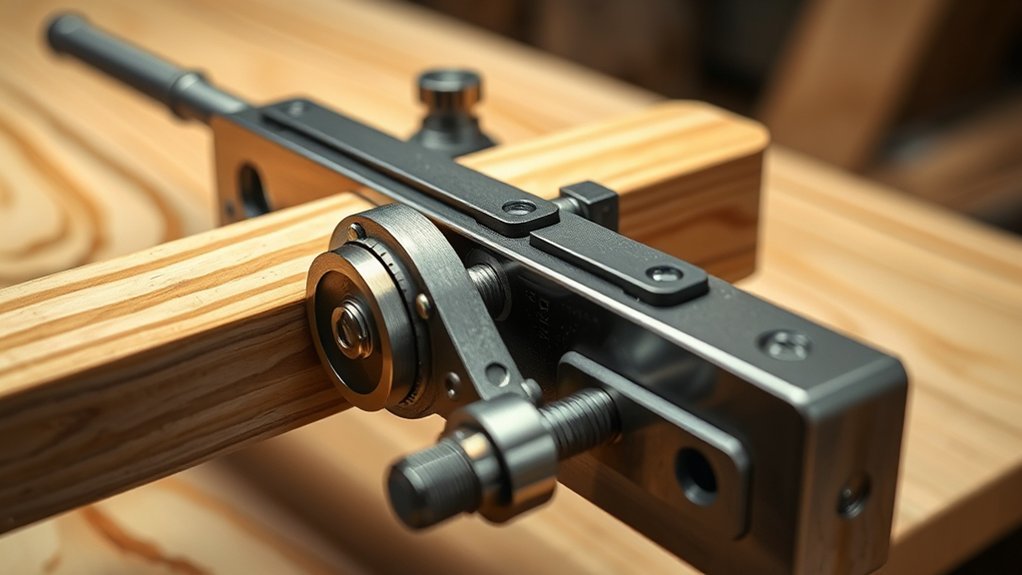
Although clamps may seem straightforward, the precision engineering behind their design greatly influences their cost. When you invest in clamps, you’re paying for precision manufacturing that meets strict engineering standards to guarantee perfect alignment and consistent pressure. This precision reduces errors in your woodworking projects, which is critical for professional results.
| Feature | Impact on Price | Explanation |
|---|---|---|
| Precision Manufacturing | High | Tight tolerances require advanced machinery |
| Engineering Standards | High | Compliance guarantees reliability and safety |
| Material Selection | Moderate | High-grade metals improve precision |
| Quality Control | High | Rigorous testing increases production costs |
| Design Complexity | Moderate | Complex mechanisms require skilled labor |
Understanding this helps you appreciate why quality clamps come at a premium.
Why Durability Raises Woodworking Clamp Costs
You’ll notice that woodworking clamps built from quality materials naturally cost more, but they resist wear and deformation over time. Precision engineering plays a critical role in maintaining consistent pressure and alignment, directly enhancing the clamp’s lifespan.
Investing in durability means paying upfront for reliability and reduced replacement frequency.
Quality Materials Impact Price
When selecting woodworking clamps, the quality of materials directly influences their longevity and performance, which in turn affects the overall cost. Superior clamps use carefully chosen raw materials through stringent material sourcing, guaranteeing high tensile strength and corrosion resistance.
Advanced manufacturing processes further enhance these properties, reducing wear and deformation under stress. You’ll notice that premium clamps often feature:
- Hardened steel or alloy components for durability
- Precision-machined surfaces to maintain grip integrity
- High-grade coatings to prevent rust and extend service life
These factors require investment in quality control and specialized equipment, which increases production expenses. So, while cheaper clamps might save you money upfront, the higher initial cost of quality materials guarantees your clamps perform reliably over time, minimizing replacement frequency and enhancing your woodworking precision.
Precision Engineering Enhances Longevity
Beyond selecting high-quality materials, the precision engineering behind woodworking clamps plays a significant role in their durability and cost. When you invest in clamps produced through precision manufacturing, each component is machined to exact tolerances, ensuring seamless fit and function.
This meticulous process minimizes wear and stress points, directly contributing to enhanced durability. You’ll notice that precisely engineered clamps maintain consistent clamping pressure over time, avoiding loosening or deformation common in lower-quality alternatives.
The advanced manufacturing techniques required for such precision demand specialized equipment and skilled labor, which inevitably raises production costs. However, this upfront investment means you get clamps that withstand rigorous use, reducing the need for frequent replacements.
Ultimately, precision engineering extends the clamp’s lifespan, justifying its higher price through superior performance and longevity.
Which Woodworking Clamp Types and Features Affect Price
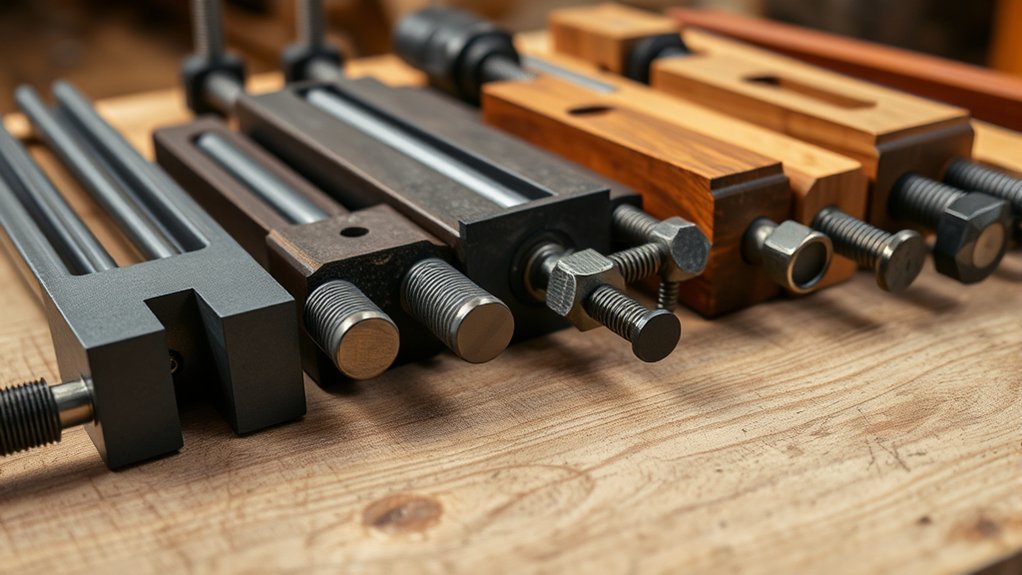
Several factors influence the price of woodworking clamps, with type and specific features playing pivotal roles. When you compare clamp types, you’ll notice significant price differences based on design and application. For instance, bar clamps, pipe clamps, and C-clamps each offer varying levels of strength and versatility, impacting cost.
Additionally, features such as:
- Material composition (steel vs. aluminum)
- Jaw capacity and opening range
- Mechanism precision and ease of adjustment
directly affect pricing. High-quality materials and finely machined components increase durability, justifying higher costs.
When conducting a price comparison, consider how these features align with your project needs. Understanding the interplay between clamp types and their attributes helps you make informed decisions without overspending on unnecessary capabilities.
Why Cheap Woodworking Clamps Cost More in the Long Run
Although cheap woodworking clamps may seem like a budget-friendly choice upfront, you’ll likely pay more over time due to their lack of durability, inconsistent pressure application, and frequent need for replacement or repair.
Cheap alternatives often use inferior materials and imprecise manufacturing tolerances, which compromise clamping force reliability and lead to slippage or uneven pressure. This inconsistency can damage your workpieces and waste materials.
Inferior materials and poor manufacturing cause unreliable clamping, risking workpiece damage and material waste.
Additionally, these clamps tend to wear out quickly, forcing you to replace them more often. The cumulative cost of repeated purchases, coupled with project delays and compromised quality, negates any initial savings.
Ultimately, while cheap alternatives appear cost-effective initially, their hidden expenses undermine long term savings, making them a less economical choice for serious woodworking applications.
How Investing in Quality Woodworking Clamps Saves You Money
When you choose quality woodworking clamps, you benefit from consistent clamping pressure and durable construction that reduces the risk of workpiece damage and tool failure. This translates directly into investment benefits and long term savings.
High-grade clamps maintain their integrity over time, minimizing replacement frequency and repair costs. They also improve workflow efficiency, letting you complete projects faster without compromising quality.
Consider these key advantages:
- Enhanced grip precision prevents material slippage and rework.
- Robust materials resist wear, extending clamp lifespan.
- Reliable performance reduces downtime and tool-related errors.
Frequently Asked Questions
Can Woodworking Clamps Damage Delicate Wood Surfaces?
Yes, if you don’t control clamp pressure properly, woodworking clamps can damage delicate wood surfaces. Using surface protection like pads or soft jaws helps distribute pressure evenly, preventing dents or marks during clamping.
How Do Clamp Sizes Affect Their Usability in Projects?
Clamp sizes are the backbone of your project’s success; matching clamp types to project dimensions guarantees firm, even pressure without damage. Using appropriately sized clamps lets you handle everything from delicate trims to large panels with precision and control.
Are There Specific Clamps Best Suited for Outdoor Woodworking?
Yes, you’ll want clamps made from corrosion-resistant materials like stainless steel or reinforced nylon for outdoor durability. These materials withstand moisture and temperature changes better, ensuring reliable hold and longevity during outdoor woodworking projects.
What Maintenance Is Required to Prolong Clamp Life?
A stitch in time saves nine: you should regularly apply clamp cleaning techniques like wiping debris and oiling moving parts, plus rust prevention methods such as storing clamps dry and using anti-rust sprays to guarantee long, reliable clamp life.
Can Woodworking Clamps Be Safely Used With Power Tools?
You can safely use woodworking clamps with power tools if you guarantee clamp safety by selecting clamps rated for power tool compatibility. Securely position them to avoid movement, and regularly inspect for wear or damage before each use.
Conclusion
You might think spending less on clamps saves money, but that theory quickly falls apart in real use. Inferior materials and imprecise engineering lead to frustration, wasted time, and damaged workpieces.
When you invest in quality woodworking clamps, you’re paying for durability, accuracy, and reliability—essentials that protect your craft and save you from costly mistakes.
Ultimately, the price reflects the value you gain in efficiency and peace of mind. This is why woodworking clamps are so expensive—they offer performance and longevity that cheaper alternatives simply cannot match.