When choosing masonry drill bits, you might notice they often come in black or silver finishes.
Masonry drill bits black or silver colors are not just about appearance—they actually indicate differences in materials and coatings that influence performance and durability.
Understanding what each color means can help you select the right bit for your project. Whether you’re drilling into concrete or softer brick, knowing these distinctions ensures better results.
But what exactly do these color differences mean for your work? Let’s explore the significance behind the black and silver finishes on masonry drill bits.
Why Do Masonry Drill Bits Come in Black or Silver Colors?
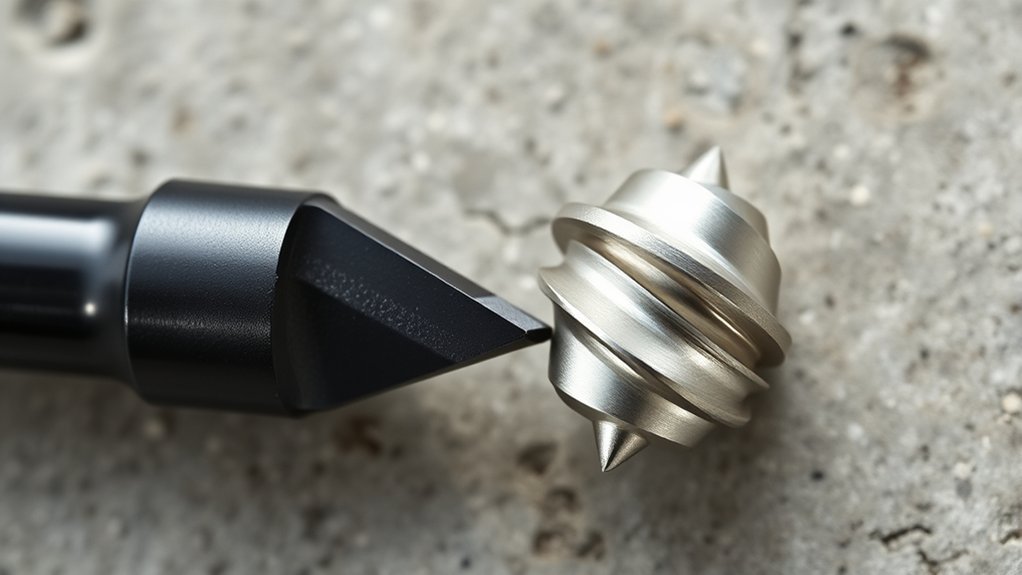
Masonry drill bits come in black or silver colors primarily due to the materials and coatings used in their manufacturing. When you select masonry bit types, the color often indicates specific design features tailored to drill bit applications.
Black bits typically have a protective oxide or black phosphate coating, enhancing corrosion resistance and reducing friction during drilling. Silver-colored bits usually display the natural metallic finish of steel or tungsten carbide tips, signifying durability and heat resistance.
Black bits feature protective coatings for corrosion resistance, while silver bits reveal durable, heat-resistant steel or carbide tips.
Understanding these color distinctions helps you choose the right bit for concrete, brick, or stone. Each color aligns with performance requirements; black coatings suit general-purpose drilling, while silver bits often handle heavy-duty tasks.
Knowing this guarantees you optimize tool longevity and drilling efficiency for your specific project needs.
Materials Used in Black vs. Silver Masonry Drill Bits
You’ll notice black masonry drill bits typically feature a titanium or black oxide coating that enhances durability and corrosion resistance. Silver bits often have a polished steel or carbide tip finish, optimizing hardness and cutting performance.
Understanding these material and coating differences helps you choose the right bit for your specific drilling needs.
Composition Differences Explained
Although both black and silver drill bits are designed for masonry work, they differ markedly in their material composition, which directly affects their durability and performance. Black masonry bit types typically feature carbon steel cores with tungsten carbide tips, providing toughness and moderate heat resistance.
Silver bits, however, often use higher-grade steel alloys combined with advanced carbide formulations, enhancing hardness and wear resistance. This difference means black bits suit general drill bit applications involving softer masonry materials, while silver bits excel in heavy-duty tasks requiring prolonged use on harder substrates like concrete or brick.
Understanding these composition differences helps you select the right bit for your specific drill bit applications, ensuring efficient cutting, longer tool life, and best results in masonry drilling projects.
Coating and Finish Types
The coating and finish applied to drill bits play a critical role in their performance and longevity, especially when working with tough masonry materials. Black masonry drill bits typically feature a phosphate coating, which provides corrosion resistance and a matte finish that reduces friction.
In contrast, silver drill bits often have a polished or nickel-plated finish, offering smoother surfaces that can aid in chip removal but may lack the same corrosion resistance. Common coating types include titanium nitride and black oxide, each enhancing wear resistance and heat dissipation differently.
When selecting finish options, consider how the bit’s surface interacts with dust, debris, and moisture during drilling. Understanding these coating types and finish options helps you choose the right bit color and material combination for your specific masonry tasks.
Durability and Material Impact
Understanding the coatings on black and silver masonry drill bits sets the stage for examining how the underlying materials affect durability and performance. Typically, black masonry bits feature a high-carbon steel core with a tungsten carbide tip, providing enhanced masonry bit longevity due to carbide’s superior hardness and wear resistance.
Silver bits often utilize standard steel with less robust carbide or no carbide tip, which can reduce lifespan under heavy use. This material distinction directly influences the color performance correlation; black bits’ darker finish often indicates a tougher, heat-treated substrate designed for prolonged durability.
When selecting a bit, consider that the material composition, not just color, determines wear resistance and drilling efficiency. Choosing the right masonry bit based on material guarantees ideal longevity and consistent performance across various masonry applications.
Coatings on Black and Silver Masonry Drill Bits
You’ll find that both black and silver masonry drill bits often feature coatings like titanium nitride or black oxide to enhance durability and reduce friction. These coatings improve heat resistance and extend the bit’s lifespan during heavy-duty use.
Understanding the benefits of each coating helps you choose the right bit for your specific drilling needs.
Common Coating Types
Coatings on masonry drill bits greatly affect their durability and performance, especially when comparing black and silver variants. The most common coatings include black oxide, titanium nitride (TiN), and diamond grit.
Black oxide provides corrosion resistance and moderate wear protection, explaining the black coloration often seen. Titanium nitride, usually giving a gold or silver tint, offers superior hardness and heat resistance, enhancing the bit’s lifespan.
Diamond grit coatings are tougher, used for heavy-duty applications, and typically appear silver or metallic gray. Understanding the color significance helps you identify coating advantages quickly.
Black coatings often indicate oxidation layers, while silver or metallic finishes suggest enhanced surface treatments or abrasives. Selecting the right coating depends on your drilling needs, balancing cost and bit longevity effectively.
Benefits of Coatings
When selecting between black and silver masonry drill bits, recognizing their coating benefits can greatly impact your drilling efficiency and bit longevity. Coatings provide essential performance enhancement by reducing friction, increasing hardness, and improving heat resistance. These factors allow you to drill faster and extend bit life, especially in tough masonry materials.
| Coating Type | Key Benefit | Performance Enhancement |
|---|---|---|
| Black Oxide | Corrosion resistance | Reduces wear during heavy use |
| Titanium Nitride | Increased hardness | Higher heat tolerance, longer life |
| Silver (Uncoated) | Cost-effective | Suitable for light-duty tasks |
| Diamond Coating | Superior durability | Excels in abrasive materials |
How Coatings and Materials Affect Performance and Durability
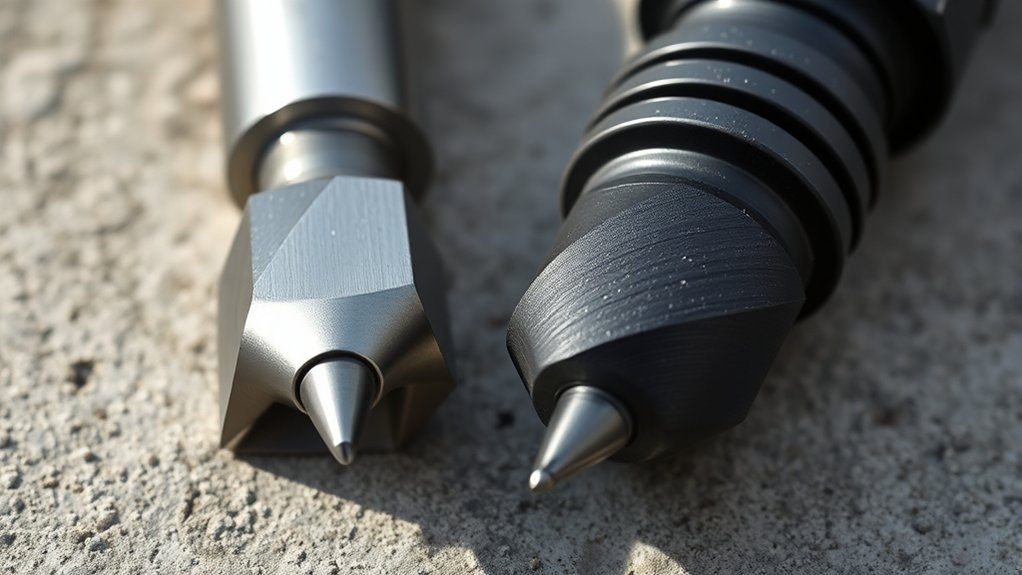
Although the base material of a masonry drill bit determines its core strength, the coatings applied greatly influence its cutting efficiency and lifespan. You’ll find that coating effectiveness hinges on factors like hardness, heat resistance, and friction reduction.
For example, titanium or black oxide coatings reduce wear and improve durability by minimizing heat buildup during drilling. The color significance often correlates with the type of coating used, serving as a quick visual indicator of performance attributes.
However, color alone doesn’t assure quality; understanding the specific coating’s properties is essential to predict how the bit will behave under stress. Materials combined with effective coatings guarantee your bit maintains sharpness longer, resists corrosion, and performs consistently in tough masonry applications.
Choosing the right combination directly impacts how efficiently and durably your drill bit functions.
Which Color Masonry Drill Bit Is Best for Concrete or Brick
When choosing between black and silver masonry drill bits, you need to contemplate how their coatings impact durability and cutting efficiency. Black bits often feature a specialized coating that enhances wear resistance, making them ideal for dense concrete.
Meanwhile, silver bits typically provide a balance of toughness and versatility, performing well on softer brick materials.
Color Impact On Durability
Since durability directly affects performance in demanding materials like concrete and brick, choosing the right color masonry drill bit often reflects differences in coating and material composition. Black drill bits typically have oxide or titanium coatings, enhancing hardness and heat resistance, which directly improves longevity during heavy-duty use.
Silver bits, often uncoated or made from high-speed steel, may offer less wear resistance but provide a clean, polished look that some users prefer. While color perception influences your aesthetic appeal choice, it also hints at underlying material properties affecting durability.
Performance Differences Explained
Selecting the right color masonry drill bit greatly influences your drilling efficiency in concrete or brick. Performance metrics like cutting speed, heat resistance, and wear rate hinge on the color significance, which often indicates the coating or treatment.
Black masonry bits typically feature black oxide or titanium coatings, enhancing heat dissipation and durability. Silver bits are usually uncoated or carbide-tipped, offering superior hardness but less heat management.
| Color | Heat Resistance | Wear Rate |
|---|---|---|
| Black | High | Low |
| Silver | Moderate | Very Low |
| Notes | Better for prolonged use | Ideal for tough materials |
Understanding these differences helps you select a bit that optimizes performance metrics for your specific drilling task.
Choosing Based On Material
Although both black and silver masonry drill bits serve well in various applications, choosing the best bit depends heavily on the material you’re working with. Black masonry bits, often coated with black oxide or carbide, excel in drilling dense materials like concrete due to enhanced hardness and heat resistance.
Silver bits, typically made from high-speed steel or tungsten carbide without coating, perform better on softer substrates such as brick or tile, offering cleaner cuts and longer edge retention. Understanding the bit materials helps optimize drill performance, reducing wear and improving efficiency.
When drilling concrete, opt for black-coated bits to withstand abrasion and heat, while silver bits suit brick for precision and minimal chipping. Selecting the right bit material tailored to your masonry guarantees durability and superior drill performance.
When to Choose Black or Silver Masonry Drill Bits
When you decide between black and silver masonry drill bits, consider the material you’ll be working with and the drill’s intended use. Opt for black drill bits when tackling tougher, abrasive surfaces like concrete or stone because their oxide coating offers enhanced durability and heat resistance, translating to longer tool life and consistent performance.
On the other hand, choose silver drill bits for lighter applications such as brick or softer masonry, where their carbide tips provide precise, clean holes and reduced wear. The silver drill advantages include superior sharpness and lower friction, which improves drilling speed and accuracy.
Assess your project’s demands. If you need toughness and longevity, black bits excel; for precision and speed in less demanding materials, silver bits are preferable. Tailoring your choice optimizes efficiency and tool lifespan.
How to Identify Quality Masonry Drill Bits by Color and Markings
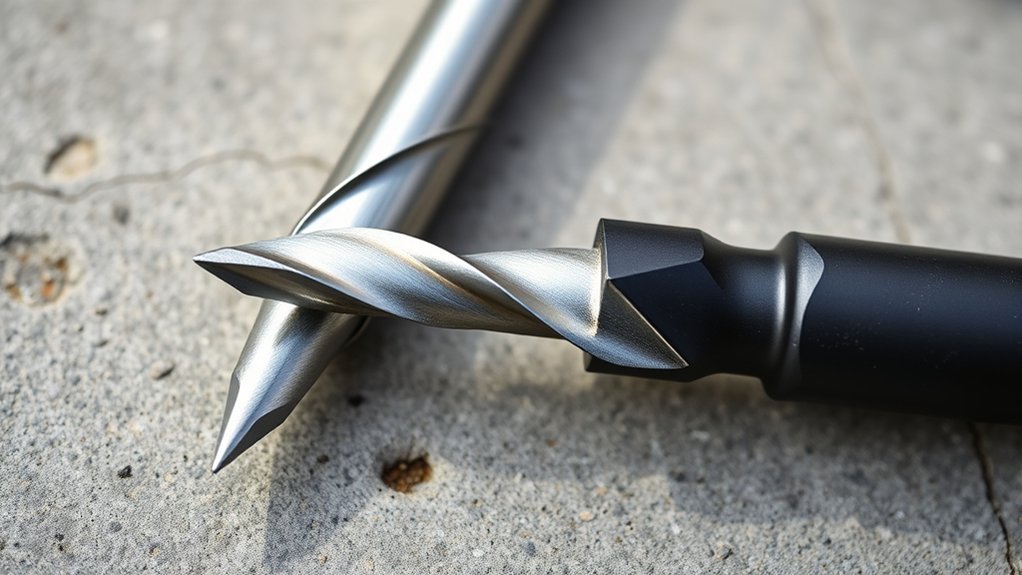
Because quality masonry drill bits vary in performance and durability, recognizing their color and markings helps you make an informed choice. Typically, the color significance indicates coating type: black bits often feature black oxide or titanium nitride coatings for enhanced wear resistance, while silver bits are usually uncoated or chrome-plated.
Examine the bit design closely. Look for carbide-tipped heads for ideal drilling in hard materials. Markings stamped on the shank can reveal manufacturer details, size, and material composition, providing clues about quality.
High-quality bits exhibit precise tip geometry and consistent flute design, ensuring efficient debris removal and reduced heat buildup. By correlating color significance with bit design and markings, you can select masonry drill bits that deliver durability and performance tailored to your specific task requirements.
Tips for Maintaining Black and Silver Masonry Drill Bits
Maintaining black and silver masonry drill bits requires regular cleaning and proper storage to preserve their performance and lifespan. After each use, remove dust and debris with a stiff brush or compressed air to prevent abrasive buildup.
Apply a light coat of machine oil to inhibit rust, especially on silver bits lacking protective coatings. Store bits in a dry, organized case to avoid moisture exposure and physical damage.
For ideal drill bit care, inspect tips for wear or chipping and sharpen them as needed using a bench grinder or specialized tool. Avoid overheating during use by employing appropriate drilling speeds and intermittent pauses.
These maintenance tips guarantee consistent cutting efficiency and extend the durability of both black-coated and silver masonry drill bits.
Common Mistakes When Selecting Masonry Drill Bit Colors
How do you choose the right masonry drill bit color without falling into common pitfalls? One frequent mistake is assuming color directly indicates superior durability or specific performance. This common misconception can lead you to select a bit based solely on appearance rather than material composition or coating technology.
Another error involves ignoring the actual color significance: black bits often feature a protective coating like black oxide for corrosion resistance, while silver bits usually have a raw or chrome-plated finish. Overlooking these distinctions means you might pick a bit ill-suited for your task’s conditions.
To avoid these errors, focus on understanding what each color represents regarding coating and resistance, rather than relying on color as a sole performance indicator.
Final Recommendations for Choosing Black or Silver Masonry Drill Bits
When selecting between black and silver masonry drill bits, you should prioritize the bit’s coating and intended use over color alone. Color often indicates specific material treatments that affect performance and durability.
Consider these points:
- Evaluate the black bit advantages, such as enhanced heat resistance and longer lifespan due to their oxide coating.
- Assess silver bit applications, often linked to polished or coated bits designed for general masonry materials.
- Match the bit type to your material. Black bits excel in dense, abrasive surfaces. Silver bits suit softer masonry.
- Confirm compatibility with your drill’s speed and impact settings to prevent premature wear.
Conclusion
Choosing between black and silver masonry drill bits isn’t just about color—it’s like selecting the right tool for a craftsman’s masterpiece. Black bits, with their durable coatings, handle concrete’s toughness, while silver bits shine on softer materials like brick.
By understanding these subtle distinctions, you guarantee precision and longevity in every hole you drill. Remember, the right bit is your secret weapon—don’t let color mislead your next project’s success.
When it comes to masonry drill bits, knowing whether they are black or silver can help you choose the best one for your task and ensure optimal results.